
Flowers
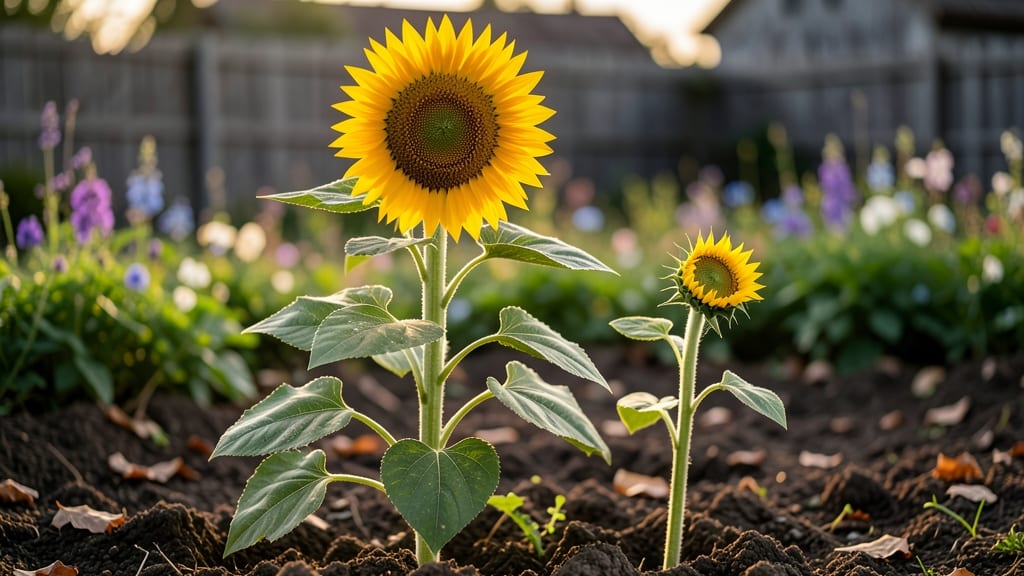
Did you know how tall sunflowers grow can vary dramatically—from towering giants that dwarf your front door to tiny varieties perfect for a windowsill? The height of your sunflower plants depends entirely on the variety you choose, and picking the right one can make or break your garden design.
Whether you're dreaming of a towering 12-foot focal point or a 3-foot patio display, sunflowers offer an incredible range of heights. The key is understanding how each type grows so you can plan your space wisely.
Let me break down the differences and help you pick the perfect sunflower for your garden.
From dwarf varieties that barely reach your knees to giants that dwarf two-story houses, sunflower heights vary dramatically. What you might not realize is that even within the same family, growing conditions can influence how tall your plants become.
I’ll show you how to maximize their potential—or keep them in check—based on your garden’s layout.
Ready to transform your outdoor space? By the end of this guide, you’ll know exactly which sunflower varieties fit your vision, how to space them for optimal growth, and how their height affects everything from pollinator attraction to wind resistance. Let’s get growing!


Sunflower height ranges by variety: from dwarf to giant
Sunflowers are one of the most dramatic plants in the garden, offering heights that range from compact patio-friendly varieties to towering giants that can reach taller than your house.
The height of your sunflower depends entirely on the variety you choose, with some staying under 3 feet while others stretch toward 16 feet.
Understanding these differences helps you select the perfect sunflower for your space, whether you're creating a backyard focal point or adding cheerful blooms to a container garden.
Most sunflowers fall into four main height categories: dwarf (1-3 ft), semi-dwarf (4-8 ft), standard (8-12 ft), and giant (12-16+ ft).
These categories aren't just about aesthetics—they also influence how you'll space your plants, which varieties thrive in windy conditions, and how much sunlight they'll need to reach their full potential. Let's explore the most popular varieties in each category and what to expect from their growth.
If you're working with limited space, dwarf varieties like 'Teddy Bear' (2-3 ft) are perfect for containers or window boxes. These sunflowers produce cheerful, compact blooms that thrive in 5-gallon pots with proper drainage.
For a small urban garden, semi-dwarf varieties like 'Autumn Beauty' (5-6 ft) offer a balanced height that works well in border plantings without overwhelming nearby plants.
The standard height range (8-12 ft) includes many of the most popular sunflowers, like 'Russian Giant' and 'Sunspot'. These varieties are ideal for pollinator gardens because their height makes them highly visible to bees and butterflies.
They also work beautifully as backyard focal points, especially when planted in groups of three or five for a natural, dramatic effect. Just be prepared for their tall stems to need additional support in windy areas.
For the truly ambitious gardener, giant sunflowers like 'Russian Mammoth' can reach 12-16 feet or even taller with ideal conditions. These varieties are architectural statements in the garden, often outgrowing two-story houses.
They require spacious planting areas, ideally in full sun with rich, well-draining soil. Giant sunflowers also make excellent windbreaks and can shade smaller plants when placed strategically in your landscape.
One common misconception is that all sunflowers grow to tall, single-stemmed plants. In reality, many varieties—especially the dwarf and semi-dwarf types—produce multiple branches with several blooms per plant. This makes them more productive for cut flowers and better suited for small spaces.
For example, 'Moulin Rouge' is a semi-dwarf variety that grows 5-6 feet tall but produces dozens of blooms on a single plant, making it a fantastic choice for cut flower arrangements.
When planning your sunflower garden, consider how height will affect sunlight exposure. Taller varieties may cast shadows on shorter plants, so place them on the north side of your garden if you're growing sun-loving companions like tomatoes or peppers.
Additionally, giant sunflowers often need staking or trellising to prevent them from toppling in storms. For container-grown varieties, choose heavy pots or secure them to balcony railings to prevent tipping.
Pro tip: If you're growing sunflowers for seed production, taller varieties generally yield more seeds per head. However, if you're harvesting young leaves or buds for eating, dwarf varieties are easier to manage and provide continuous harvests throughout the growing season.
Always harvest in the morning when moisture levels
How sunflower height affects your garden design choices
Sunflower height isn’t just about aesthetics—it directly impacts your garden’s layout, pollinator appeal, and even wind resistance. A 12-foot giant will create a stunning focal point but needs strong soil and support, while a 3-foot dwarf thrives in containers and attracts bees at eye level.
Your choice of height determines where you plant, what you pair it with, and how it performs in your climate.
Taller varieties like 'Mammoth Russian' (up to 16 feet) need deep, fertile soil and full sun to reach their potential, while shorter types like 'Teddy Bear' (2-3 feet) adapt to partial shade and smaller spaces.
Even within the same variety, growing conditions can influence height—rich soil and consistent watering can make a standard sunflower grow 2-3 feet taller than average.
5 Design Tips for Sunflowers of All Heights
- 🌱 Use height to create layers: Plant tall varieties at the back, medium in the middle, and dwarf types in front for depth.
- 🌿 Pair with wind-resistant plants: Taller sunflowers need sturdy neighbors like grasses or lavender to prevent flopping.
- ☀️ Maximize sunlight exposure: Place giant varieties in open areas with 6+ hours of direct sun daily.
- 🐝 Boost pollinator attraction: Dwarf sunflowers draw bees and butterflies at ground level, while tall types create vertical feeding stations.
- ✂️ Prune for bushier growth: Cut back side shoots on tall varieties to encourage wider blooms and prevent top-heavy flopping.
Your garden’s sun exposure plays a huge role in height potential. Sunflowers need full sun (6+ hours daily) to reach their maximum height, but even partial shade can stunt growth. For example, a 'Autumn Beauty' (5-6 feet) might only reach 3 feet in a shady corner.
If you’re working with limited sun, opt for dwarf or semi-dwarf varieties that tolerate lighter conditions.
Wind resistance is another critical factor when choosing sunflower heights. Tall varieties (8+ feet) often need staking or planting near fences to avoid snapping in storms. Shorter types like 'Sunspot' (2-3 feet) handle breezes better but may still benefit from grouping with taller plants to create windbreaks.
Consider your local climate—coastal gardens need shorter, sturdier types, while inland areas can support giants.
Height also influences companion planting strategies. Tall sunflowers make excellent living trellises for climbing plants like beans or morning glories, while dwarf types pair well with salad greens or radishes in small-space gardens.
The key is balancing heights so no plant gets overshadowed or crowded out. For example, plant marigolds (1-2 feet) at the base of tall sunflowers to deter pests without competing for light.
Don’t overlook the visual impact of height in your design. A single 10-foot sunflower creates a dramatic focal point, while clusters of 4-foot varieties add texture and movement. For a whimsical touch, mix heights in odd-numbered groupings—three tall, two medium, and one dwarf create natural balance.
Experiment with colors too: dark 'Moulin Rouge' (8 feet) pairs beautifully with bright 'Lemon Queen' (5 feet) for a striking contrast.