
Flowers
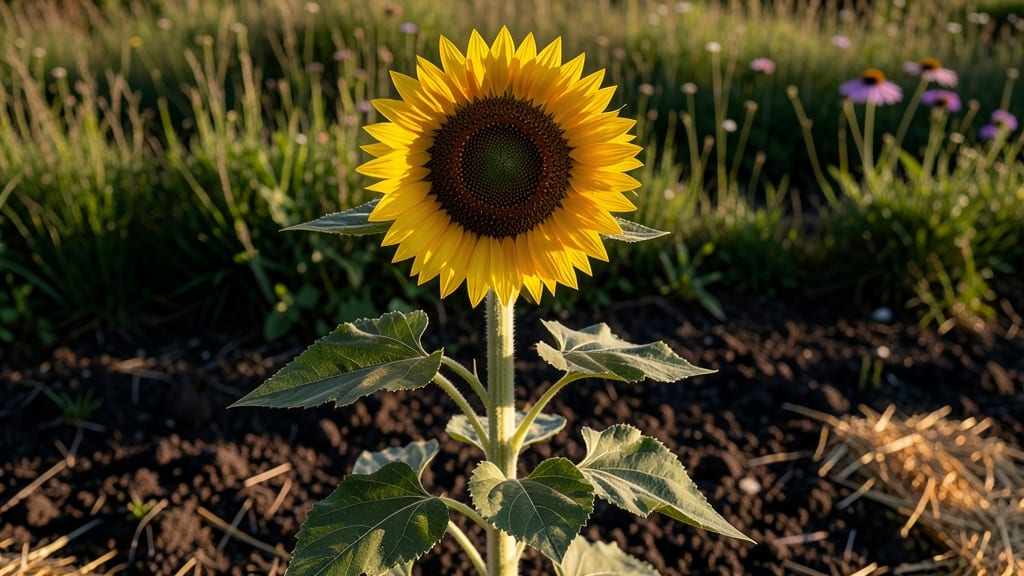
If you’ve ever wondered just how tall those giant sunflowers can grow, the answer might surprise you—some varieties stretch taller than a basketball hoop or even a small tree! 🌻 With the right conditions, these towering beauties can reach heights of 12 to 16 feet, making them a stunning focal point in any garden.
But here’s the catch: their height isn’t just about luck. Varieties like the 'Russian Giant' or 'Mammoth' thrive when given plenty of sunlight, rich soil, and consistent watering. Without these, even the hardiest plants might struggle to reach their full potential.
In this guide, I’ll break down exactly what affects their growth—from soil prep to spacing—and share practical tips to help your sunflowers grow as tall as possible. Whether you’re a seasoned gardener or just starting out, you’ll learn how to nurture these giants from seed to sky-high blooms.
Ready to turn your garden into a sunflower skyline? Let’s dive into the secrets of growing these towering giants and why some varieties outshine the rest.


Giant sunflower varieties and their stunning heights revealed
If you've ever gazed at a sunflower and thought, "I want one of those giants!" you're in for a treat. Some varieties grow so tall they can make your garden feel like a sun-drenched forest.
The tallest sunflowers can reach heights of 12 to 16 feet, with some record-breaking specimens even topping 20 feet under ideal conditions.
Whether you're aiming for a dramatic focal point or just love the sheer scale of these plants, understanding the height potential of different varieties is key to planning your garden layout.
Giant sunflowers aren't just about height—they're also about growth speed and structural strength. Varieties like 'Russian Giant' and 'Mammoth' are famous for their towering stature, but they require specific growing conditions to reach their full potential.
From soil richness to sunlight exposure, every factor plays a role in how tall your sunflowers will grow. Let's explore the most impressive varieties and what makes them stand out in your garden.
🌱 Comparison Table: Tallest Sunflower Varieties
The 'Russian Giant' sunflower is the undisputed champion when it comes to height, often surpassing 16 feet and even breaking 20 feet in record-breaking cases. This variety is a favorite among gardeners who want to create a wow factor in their landscapes.
Its thick, sturdy stems can support its massive blooms, which can reach diameters of up to 12 inches. If you're planting this variety, be prepared for a sunflower that will dwarf nearby plants and become the centerpiece of your garden.
For those who want slightly shorter but still impressive sunflowers, the 'Mammoth' variety is an excellent choice. While it typically grows to 10–14 feet, it's known for its reliability and consistent performance.
This makes it a great option for gardeners who want a tall sunflower without the risk of flimsy stems. The 'Mammoth' also produces large, vibrant blooms that are perfect for cutting and bringing indoors.
If you're looking for a sunflower that's tall but also wildflower-friendly, consider Helianthus giganteus. This native North American species grows to 8–12 feet and is a magnet for pollinators like bees and butterflies.
Its narrower stems and smaller blooms compared to other giants make it ideal for naturalistic gardens. Plus, it's drought-tolerant once established, making it a low-maintenance choice for taller sunflowers.
To achieve the maximum height from your giant sunflowers, focus on three critical factors: soil quality, sunlight exposure, and watering consistency. Giant sunflowers thrive in well-draining, nutrient-rich soil with a pH between 6.0 and 7.5.
Amending your soil with compost or a balanced fertilizer (like 10-10-10) before planting can give your sunflowers the boost they need to grow tall and strong. Additionally, ensure they receive at least 6–8 hours of direct sunlight daily—this is non-negotiable for reaching their full height potential.
Watering is another game-changer for giant sunflowers. These plants have deep root systems that require consistent moisture, especially during their rapid growth phase. Aim to water deeply every 3–5 days, soaking the soil to a depth of 12–18 inches.
Avoid shallow watering, which can encourage weak stems and stunt growth. Mulching around the base of the plant with straw or wood chips helps retain moisture and keeps roots cool, further supporting tall growth.
One common question among gardeners is whether giant sunflowers need support to reach
How to maximize sunflower growth for towering heights
To coax your giant sunflowers into reaching their full 12-to-16-foot potential, you’ll need to focus on four key factors: soil quality, sunlight exposure, proper spacing, and consistent watering.
These towering plants aren’t just about genetics—they demand ideal growing conditions to stand tall and proud. Think of it like building a skyscraper: you wouldn’t skip the foundation or the steel beams, right?
Start with well-draining, nutrient-rich soil. Giant sunflowers love loose, fertile ground with a pH between 6.0 and 7.5. Amend your soil with compost or aged manure before planting to give those deep roots the nourishment they crave.
I’ve found that adding a balanced 10-10-10 fertilizer at planting time gives my sunflowers a strong start, and I follow up with monthly feedings during their growing season.
🌱 Pro Tips for Towering Sunflowers
- Sunlight: Plant in full sun (6+ hours daily) for maximum growth. Even partial shade can stunt their height by 30-50%.
- Spacing: Give each plant 18-24 inches of space—crowding leads to weak stems and shorter blooms.
- Watering: Deep water 2-3 times per week during dry spells. Let the top inch of soil dry between waterings to prevent root rot.
- Support: Use stakes or cages for varieties over 10 feet tall to prevent toppling in wind or rain.
- Season: Plant after the last frost in spring (April-May) for a summer bloom. Avoid fall planting—cool nights slow growth.
Sunlight is non-negotiable for giant sunflowers. These plants are sun worshippers, and anything less than 6-8 hours of direct sunlight will leave them leggy and weak. I once tried growing 'Russian Giant' sunflowers under partial shade, and while they survived, their stems barely reached 6 feet—half their potential!
Choose the sunniest spot in your garden, even if it means sacrificing a less sun-loving plant or two.
Proper spacing between plants is another game-changer. Giant sunflowers need room to stretch their legs—literally! Plant them 18-24 inches apart in rows that are 3 feet apart for optimal airflow and sunlight penetration.
Overcrowding forces plants to compete for nutrients, resulting in shorter, weaker stems. Trust me, the extra space is worth it when you see those 14-foot giants swaying in the breeze.
Watering giant sunflowers requires a consistent but careful approach. Deep watering 2-3 times per week encourages strong root development, but avoid soggy soil, which can lead to fungal diseases. I water mine early in the morning to reduce evaporation and give the plants a full day to dry out.
During peak summer heat, I increase watering to every other day, but always check the soil moisture first—sunflowers can handle brief dry spells better than waterlogged conditions.
Finally, timing matters. Plant your giant sunflower seeds after the last frost in spring (April-May) for a summer bloom. These varieties need a long, warm growing season to reach their full height, so avoid planting them too early or too late.
If you’re in a cooler climate, opt for faster-maturing varieties like 'Mammoth' or 'Autumn Beauty' to ensure they have enough time to grow tall before the first frost.