
Size
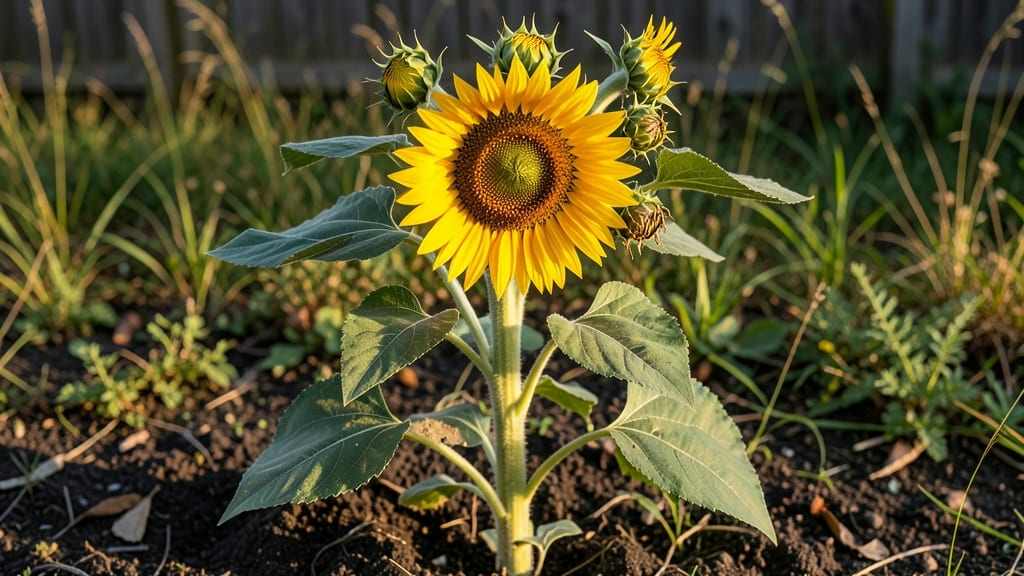
If you’ve ever planted a sunflower seed hoping for a towering 10-foot giant by summer, you know the sunflower grow time isn’t just about patience—it’s about understanding the stages, from that first green shoot to the moment your garden becomes a golden canopy.
Most varieties take between 80 to 120 days to reach full bloom, but with the right care, you can shave weeks off that timeline.
For gardeners in Zone 6a, timing is everything—planting in April or May means your sunflowers will hit peak height by July or August, just in time for harvest. The key?
Knowing when to expect each milestone, like the 10-day germination window or the rapid stem growth that happens after 30 days. Skipping these stages can leave you wondering why your sunflowers are lagging behind.
What if I told you some varieties bloom in as little as 50 days? Or that soil quality and sunlight can cut your wait by 20% or more?
Whether you’re growing dwarf sunflowers for quick color or giants for shade, mastering the grow time means fewer surprises and more sunflower satisfaction. Let’s break down exactly what to expect—and how to keep your plants on track.
From the moment you drop that seed into the soil to the day you’re harvesting seeds for next year, every phase matters. I’ll show you how to spot delays early, adjust your care routine, and even troubleshoot common pitfalls.
By the end, you’ll know exactly when to plant, what to watch for, and how to turn your sunflower patch into a golden masterpiece—without the guesswork.


Sunflower grow time by stage: germination to full bloom timeline
Sunflowers are nature's speedsters, transforming from tiny seeds into towering giants in just a few months—but their exact grow time depends on your sunflower variety, climate conditions, and how well you care for them.
On average, most sunflowers reach full bloom in 70-120 days, but dwarf varieties can bloom in as little as 50 days, while giant varieties may take 150 days or more. Understanding each growth stage helps you track progress and troubleshoot delays before they become problems.
In warmer climates like USDA Zone 8-10, sunflowers grow fastest, completing their lifecycle in 90-110 days. But in cooler zones like Zone 4-6, expect a 20-30 day delay due to shorter daylight and slower soil warming.
Even a 5°F temperature drop can stall germination, so timing your planting after the last frost is critical. Let's break down the sunflower grow time by stage, so you can set realistic expectations and celebrate every milestone along the way.
| Stage | Days to Complete | Key Milestones | Climate Impact |
|---|---|---|---|
| Germination | 3-14 days | Seed cracks, radicle emerges, first leaves appear | Soil temp <60°F slows sprouting; 70-85°F ideal |
| Seedling | 14-21 days | First true leaves, 4-6" tall, thin stems | Overwatering causes damping-off; thin seedlings |
| Vegetative | 21-45 days | Rapid stem elongation, 12-18" tall, leaf development | Full sun required; partial shade stunts growth |
| Bud Formation | 45-70 days | Bud visible, stem stops elongating, petals form | Night temps below 55°F delay blooming |
| Full Bloom | 70-120 days | Petals fully open, seeds develop, 6-15 ft tall | Drought stress reduces bloom size; consistent watering maximizes size |
| Seed Maturity | 90-150 days | Back of head turns yellow, seeds dry and rattle | Harvest before seeds scatter; frost speeds drying |
Day 1-14 marks the germination stage, where your sunflower's journey begins. Plant seeds 1 inch deep in warm soil (at least 60°F) to ensure quick sprouting. In cooler climates, use black plastic mulch to warm the soil and cut germination time by half.
Once sprouted, keep soil consistently moist but never soggy—overwatering at this stage can cause seedling rot, while underwatering leads to stunted growth.
Between days 14-21, your sunflower enters the seedling stage, characterized by the emergence of the first true leaves (not the initial seed leaves). This is when you'll notice rapid growth if conditions are right: full sun exposure, well-draining soil, and thin stems.
If your seedlings look leggy or pale, they're not getting enough light. At this point, you can thin seedlings to 12-18 inches apart to give them room to grow without competing for nutrients.
The vegetative stage (days 21-45) is where the magic happens—your sunflower's stem elongates at an incredible rate, sometimes growing 2-3 inches per day in ideal conditions. This is when you'll see the most dramatic height gains, especially in tall varieties like 'Russian Giant' or 'Mammoth'.
To support this growth, feed your plants with a balanced fertilizer (10-10-10) and ensure they receive at least 6 hours of direct sunlight daily. Staking may be necessary for varieties exceeding 8 feet to prevent lodging.
Around day 45-70, your sunflower enters bud formation, where the iconic flower bud becomes visible. This stage is highly sensitive to temperature fluctuations—if nighttime temps drop below 55°F, blooming can be delayed by 1-2 weeks.
During this phase, reduce watering slightly to encourage stronger stem development, but avoid letting the soil dry out completely. You'll also notice the stem
Fastest-growing sunflower varieties and how to speed up bloom time
Not all sunflowers take 120 days to reach their full glory. Some varieties bloom in as little as 50 days, while others need nearly double that time.
If you're craving quick color or want to maximize your growing season, choosing the right variety is your first win. Dwarf sunflowers like 'Teddy Bear' and 'Moulin Rouge' are perfect for containers or small spaces, while giant varieties like 'Russian Giant' or 'Mammoth' need more time—but reward you with stunning height.
The secret to speeding up bloom time? Start with soil rich in organic matter and ensure your plants get at least 6-8 hours of sunlight daily.
Let’s compare the fastest-growing sunflower varieties and the proven techniques to help them reach their peak faster. Whether you're a beginner or a seasoned gardener, these insights will help you cut weeks off your sunflower grow time—without sacrificing those iconic golden blooms.
| Variety | Height | Bloom Time | Best For | Growth Tip |
|---|---|---|---|---|
| Teddy Bear | 1-3 ft | 50-60 days | Containers, cut flowers | Plant in well-draining soil and stake early |
| Moulin Rouge | 3-5 ft | 55-65 days | Borders, pollinator gardens | Fertilize with low-nitrogen mix at planting |
| Autumn Beauty | 5-6 ft | 60-70 days | Cut flowers, late-season color | Water deeply every 5-7 days in dry spells |
| Russian Giant | 10-15 ft | 90-120 days | Shade, focal points | Use compost-rich soil and stake at 3 ft |
| Mammoth | 12-14 ft | 100-120 days | Tall gardens, screens | Plant in full sun and mulch heavily |
To speed up bloom time, focus on three critical factors: soil preparation, watering consistency, and sunlight exposure. Start by amending your soil with compost or aged manure to ensure nutrients are readily available.
Sunflowers thrive in loose, well-draining soil, so avoid compacted or clay-heavy areas. If your soil is poor, consider planting in raised beds or containers filled with a mix of potting soil and compost.
Watering plays a huge role in accelerating growth. Sunflowers need 1-1.5 inches of water per week, but avoid soggy soil, which can stunt roots. Instead, water deeply in the morning to reduce evaporation and fungal risks.
If you notice wilting leaves, it’s often a sign of underwatering, not drought tolerance. Mulching around the base of your plants helps retain moisture and keeps roots cool, which is especially important during hot summer months.
Sunlight is non-negotiable for sunflowers. Without 6+ hours of direct sunlight daily, your plants will grow leggy and slow. If you’re growing in partial shade, expect bloom times to stretch by 2-3 weeks.
For the fastest results, place your sunflowers in the sunniest spot in your garden, even if it means moving them as they grow taller. A little extra sunlight can shave weeks off your grow time and lead to bigger, brighter blooms.
Finally, don’t overlook the power of fertilization. A light application of balanced fertilizer (10-10-10) at planting and again when seedlings are 4-6 inches tall gives them the boost they need.
Avoid high-nitrogen fertilizers, which promote leafy growth at the expense of flowers. Instead, opt for a phosphorus-rich fertilizer to encourage faster blooming.
With the right variety and care, you can turn your sunflower patch into a golden masterpiece in record time—ready to brighten your garden and attract pollinators by midsummer. 🌻