
Planting
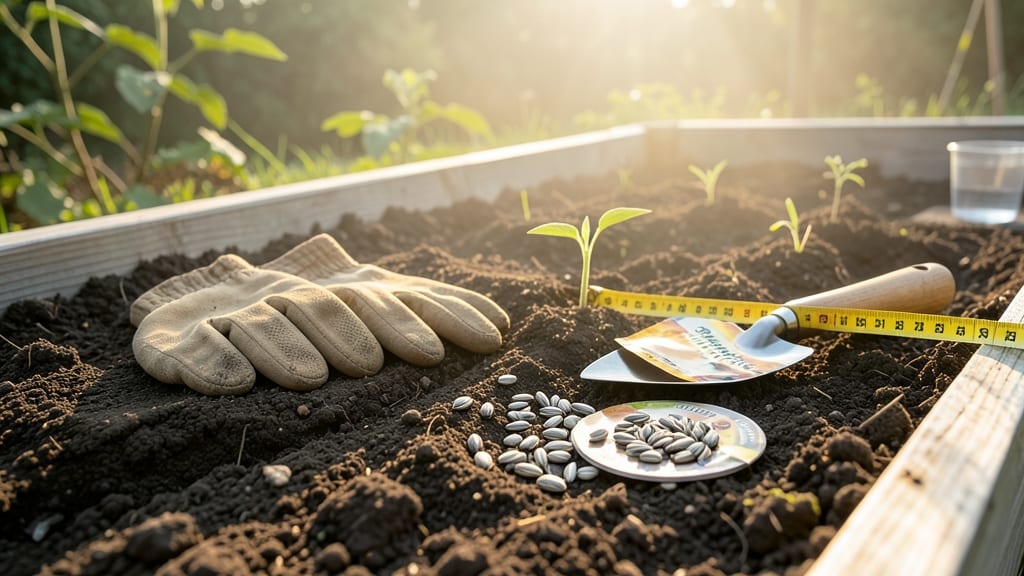
Proper sunflower seed spacing isn’t just about fitting more plants in your garden—it’s the secret to growing those towering 🌻 stalks and massive blooms you’ve always dreamed of.
Too close, and your sunflowers will fight for sunlight and nutrients, leaving you with weak stems and puny flowers. Too far apart, and you’ll waste precious garden space.
I’ve learned the hard way that spacing makes all the difference between a thriving sunflower patch and one that barely survives. Whether you’re growing giant varieties for show or dwarf types for containers, the right distances ensure strong roots, better air circulation, and healthier plants from seed to harvest.
In this guide, I’ll break down the exact spacing you need for different sunflower types, plus how to adjust for your soil and climate. You’ll also discover common mistakes that ruin yields—and how to fix them before it’s too late.
Ready to grow sunflowers that reach for the sky? Let’s get started with the spacing secrets that’ll transform your garden this spring.
Optimal sunflower seed spacing by variety and growing conditions
Sunflowers thrive when given the right amount of space to grow strong stalks and vibrant blooms. The spacing distance you choose depends on the variety you're planting and your local growing conditions.
Giant sunflowers need more room than dwarf varieties, and soil quality or sunlight can adjust those distances. Let’s break down the best practices to maximize your sunflower garden’s potential.
For giant sunflower varieties, like 'Mammoth' or 'Russian Giant,' spacing seeds 18-36 inches apart in rows 3-4 feet apart ensures they have enough room to reach their full height of 10-14 feet.
Dwarf varieties, such as 'Teddy Bear' or 'Little Becka,' only need 12-18 inches between plants and 2-3 feet between rows. Proper spacing prevents overcrowding, which can lead to weak stems and smaller blooms.
Soil quality also plays a role in spacing. In poor soil, plants need more room to compete for nutrients, so increase spacing by 20-30%. If your soil is rich and well-draining, you can plant closer to the lower end of the recommended range. Always amend your soil with compost before planting to improve nutrient availability and root growth.
Climate matters too. In hot, dry climates, wider spacing helps reduce competition for water, while in cooler, wetter regions, you can plant slightly closer together. Sunflowers need 6-8 hours of sunlight daily, so ensure your garden spot gets full sun.
If shading is an issue, increase spacing to give each plant better access to sunlight.
| Variety | Plant Spacing | Row Spacing | Mature Height | Best For |
|---|---|---|---|---|
| Giant (e.g., 'Mammoth') | 18-36 inches | 3-4 feet | 10-14 feet | Cut flowers, seed production |
| Semi-Dwarf (e.g., 'Autumn Beauty') | 12-18 inches | 2-3 feet | 6-8 feet | Cut flowers, borders |
| Dwarf (e.g., 'Teddy Bear') | 12-18 inches | 2 feet | 1-3 feet | Containers, borders, pollinators |
| Standard (e.g., 'ProCut') | 12-18 inches | 2-3 feet | 5-8 feet | Cut flowers, seed production |
When planting in containers or small gardens, choose dwarf varieties and space them 12 inches apart to save space. If you’re growing sunflowers for seed production, wider spacing (up to 36 inches) allows better airflow and reduces disease risk.
Always thin seedlings to the recommended spacing once they reach 3-4 inches tall to avoid overcrowding.
In windy climates, wider spacing helps prevent stalks from bending or breaking. If you’re planting near a fence or wall, reduce spacing slightly since these structures can provide wind protection.
For companion planting, avoid placing sunflowers too close to shallow-rooted plants like lettuce, as they’ll compete for nutrients and water.
One common mistake is planting seeds too close together, thinking it will yield more blooms. Instead, it leads to weaker stems and smaller flowers. Always follow the spacing guidelines for your specific variety, and adjust based on your soil and climate.
With the right spacing, your sunflowers will grow tall, strong, and full of vibrant blooms.
Pro tip: Mark your rows with stakes or string to ensure even spacing. This makes thinning seedlings easier and helps you visualize the final layout of your sunflower garden. Happy planting!
Common spacing mistakes that stunt sunflower growth (and how to fix them)
Even the hardiest sunflower varieties can struggle when planted too closely. I’ve seen 12-foot giants reduced to 4-foot weaklings simply because they were crowded. The problem isn’t just aesthetics—overcrowding creates a perfect storm of disease, nutrient competition, and stunted growth that can ruin your entire harvest.
But spacing mistakes don’t stop at planting. Many gardeners make the opposite error—over-spreading their sunflowers too far apart, wasting space and reducing wind resistance. The key is finding that sweet spot where plants have room to thrive without sacrificing garden real estate.
Let’s fix these common errors before your sunflowers hit their growth ceiling.
⚠️ Warning: These Spacing Mistakes Are Killing Your Sunflowers
Mistake #1: Planting seeds closer than 6 inches apart. This forces plants to compete for sunlight and water, leading to weak stems that snap in wind or rain. Crowded sunflowers also trap moisture against leaves, breeding powdery mildew and rust.
Mistake #2: Skipping row spacing adjustments. Many gardeners focus only on plant-to-plant distance but ignore row spacing. For giant varieties, rows 3 feet apart are ideal—any closer, and you’ll struggle with weeding and pest control.
Mistake #3: Assuming one-size-fits-all spacing works for all sunflowers. Dwarf varieties (like 'Teddy Bear') need 12-18 inches between plants, while giant types (like 'Russian Giant') demand 24-36 inches.
If you’ve already planted too closely, don’t panic. Sunflowers are forgiving—you can thin seedlings when they’re 4-6 inches tall. Use sharp scissors to snip at soil level (never pull) to avoid disturbing roots.
For mid-season fixes, gently transplant the strongest seedlings to new locations, keeping them 12-18 inches apart.
For over-spread gardens, try interplanting sunflowers with shallow-rooted crops like lettuce or radishes. This maximizes space while giving sunflowers room to grow. Just avoid planting competitive neighbors like corn, which steals nutrients and water.
Proper spacing isn’t just about numbers—it’s about balancing growth, airflow, and sun exposure. When done right, your sunflowers will reward you with taller stalks, larger blooms, and healthier yields—no matter your garden size.