
Flowers
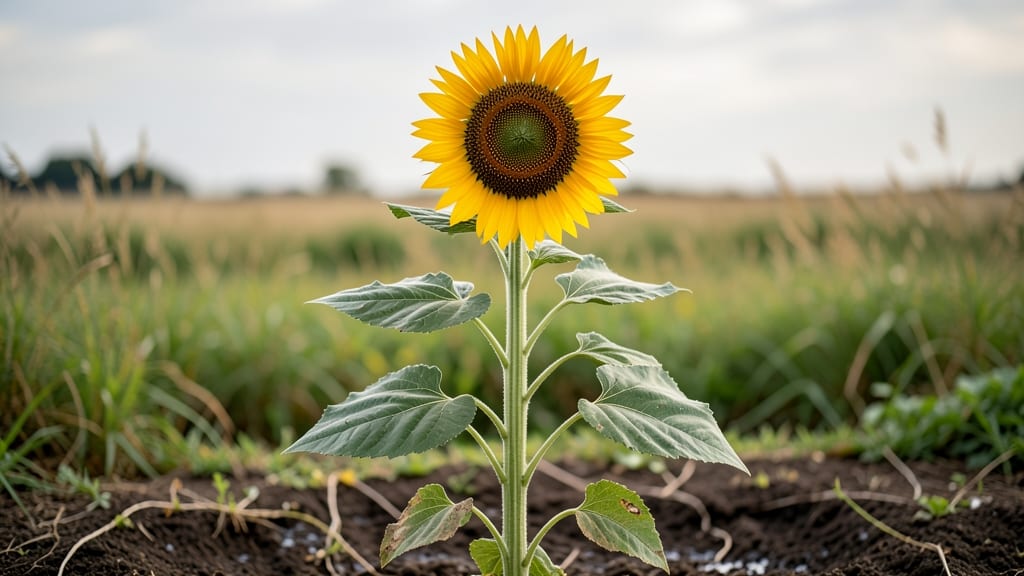
If you’ve ever wondered just how tall sunflowers 🌻 can grow, the answer might surprise you—some dwarf varieties stay under 3 feet, while others stretch toward the sky like nature’s skyscrapers, reaching 15 feet or more.
The height of your sunflowers isn’t just about luck; it’s a mix of the variety you choose, how much sunlight they soak up, and a few care tricks most gardeners miss.
Picture this: a giant sunflower towering over your fence, its golden bloom catching the afternoon light, or a compact dwarf variety perfect for containers and small spaces. The right conditions can turn a modest plant into a backyard landmark—or keep it neatly sized for your garden’s needs.
Whether you’re dreaming of a sunflower forest or just want a few cheerful blooms, knowing what influences their height is the first step to growing the perfect ones.
But here’s the catch: even the tallest sunflowers need the right support to stay upright, while dwarfs thrive with minimal fuss.
I’ll break down the height ranges by variety, share the secrets to maximizing growth (or keeping them compact), and give you practical tips to ensure your sunflowers reach their full potential—no matter how big (or small) you want them to be.
Ready to turn your garden into a sunflower wonderland? Let’s dive into the varieties, care secrets, and everything else you need to know to grow sunflowers that wow—whether they’re 3 feet tall or 15 feet and counting.


Sunflower height ranges by variety: from dwarfs to giants
Sunflowers aren’t one-size-fits-all when it comes to height. The shortest varieties stay under 3 feet, making them perfect for containers or small gardens, while the tallest giants can reach 15 feet or taller, turning your backyard into a golden skyline.
The variety you choose determines whether your sunflowers will be a compact accent or a dramatic focal point.
Most gardeners assume all sunflowers grow tall, but the truth is far more exciting. Dwarf varieties like 'Teddy Bear' or 'Moulin Rouge' stay between 2-3 feet, while standard types like 'Autumn Beauty' or 'Mammoth' can stretch up to 12 feet.
Then there are the giant sunflowers, like 'Russian Giant', which can surpass 15 feet with the right care.
But height isn’t just about the variety—it’s also about growing conditions. Sunflowers need full sun (6+ hours daily), well-draining soil, and consistent moisture to reach their full potential. Even the tallest varieties can struggle if they’re overcrowded or nutrient-deficient.
Let’s break down the height ranges by category so you can pick the perfect sunflower for your space and goals.
Here’s a quick look at how sunflower heights compare across the most popular categories:
If you’re growing dwarf sunflowers, you’ll love their compact size and quick bloom time. Varieties like 'Sunspot' or 'Little Becka' are ideal for containers, window boxes, or pollinator gardens.
They typically reach maturity in 60–70 days, making them one of the fastest sunflowers to flower. These varieties also produce edible seeds, though they’re smaller than their taller cousins.
For standard-height sunflowers, think of classics like 'Autumn Beauty' or 'ProCut'. These beauties grow 8–12 feet tall and are perfect for cut flower arrangements or adding height to garden beds.
They bloom later in the season (80–100 days) and often produce larger, more abundant seeds, making them a favorite for bird feeders.
The giant sunflowers are the showstoppers of the garden world. Varieties like 'Russian Giant' or 'Mammoth' can reach 15 feet or taller with the right conditions. These sunflowers need extra support, like stakes or cages, to prevent them from toppling over.
They also require rich, well-draining soil and consistent watering to support their massive growth. If you’re aiming for a world-record sunflower, these are the varieties to grow!
Don’t overlook rare and heirloom varieties, either. Some, like 'Gladiator' or 'Russian Giant', can grow 12–14 feet tall, while others, like 'Teddy Bear', stay under 3 feet. He
5 Secrets to maximizing sunflower height (or keeping them compact)
Want to grow sunflowers that reach for the sky—or stay neatly compact? The key lies in understanding how to influence their growth from the moment you plant those seeds.
Sunflowers are surprisingly responsive to care, and small adjustments can mean the difference between a 3-foot dwarf and a 12-foot giant. Whether you're dreaming of a sunflower skyline or need space-saving varieties, these five secrets will help you control their height with precision.
First, let’s talk about the foundation: soil nutrients and watering consistency. Sunflowers are heavy feeders, and their height is directly tied to how well they’re nourished. Skimp on nutrients, and you’ll end up with leggy, weak stems that struggle to support their own weight.
But overdo it, and you might encourage rapid, top-heavy growth that flops over in the first breeze. Balance is everything, and I’ll show you exactly how to get it right.
🌱
- 1 Choose the right variety for your goals—dwarf sunflowers like 'Teddy Bear' max out at 3 feet, while 'Russian Giant' can hit 12-16 feet. Match your space and vision to the variety!
- 2 Water deeply but infrequently—sunflowers hate soggy roots. Give them 1 gallon per week (more in summer) to encourage strong stems. Shallow watering leads to weak, top-heavy growth.
- 3 Add phosphorus-rich fertilizer (like bone meal) at planting to boost root and stem strength. Avoid nitrogen-heavy feeds—too much makes stems leggy and weak.
- 4 Prune side buds on tall varieties to direct energy into one main stem. For dwarfs, pinch back tips early to encourage bushier growth. Use clean, sharp shears to avoid disease.
- 5 Support tall stems early with stakes or cages. Wait until they’re 3 feet tall to tie them up—any later, and you risk damaging the stem. For giants, use 3 stakes per plant in a tripod.
One of the biggest mistakes gardeners make is overcrowding their sunflowers. Plants competing for sunlight and nutrients will grow tall but weak, with stems that snap under their own weight.
Give them space—18-24 inches apart for dwarfs and 3-4 feet apart for giants—to let their roots spread and support their height naturally.
Poor drainage is another silent growth killer. Sunflowers hate soggy feet, and waterlogged soil can stunt their growth or even cause root rot. If your garden soil drains slowly, amend it with compost or perlite before planting.
A well-draining mix ensures nutrients and water reach the roots where they’re needed most, not pool around them.
For those aiming for maximum height, focus on consistent care from day one. Start with a phosphorus boost at planting, then fertilize lightly every 4-6 weeks with a balanced 10-10-10 mix.
Avoid heavy nitrogen feeds—they’ll give you lush foliage but weak stems. Instead, prioritize potassium to strengthen cell walls and help those towering stems stand tall.
🌻