
Light Requirements
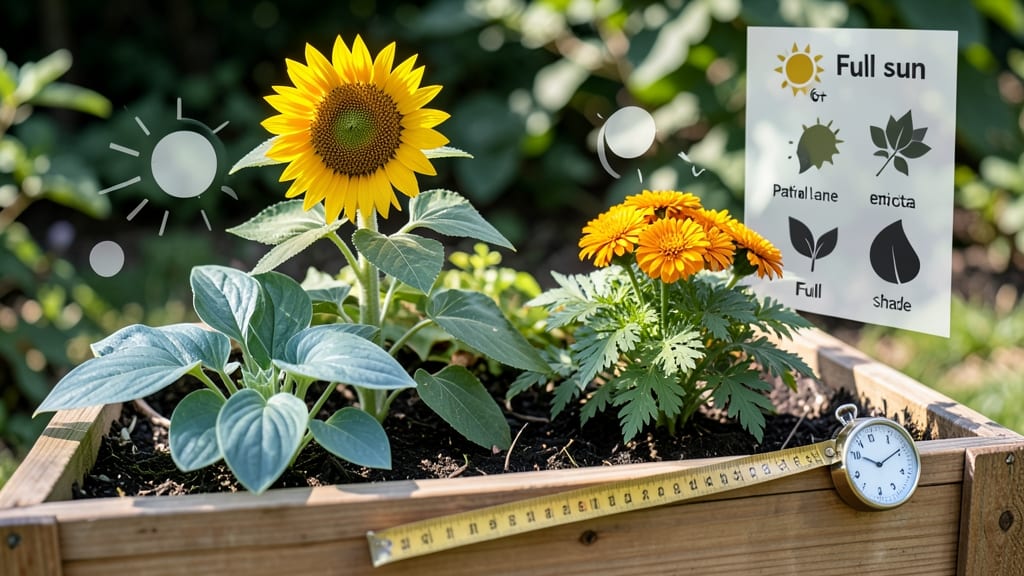
To get your flowers blooming their brightest, how much sunlight do flowers need isn’t just about throwing open the curtains—it’s about precision. Too little, and your 🌸 may languish; too much, and they'll scorch.
The magic number varies wildly depending on the type, and getting it wrong can mean the difference between a showstopping garden and a sad, sparse display.
Most gardeners assume all flowers crave full sun, but that couldn't be further from the truth. Sun-loving varieties like sunflowers and roses actually need 6 to 8 hours of direct light daily to thrive, while shade-tolerant blooms like impatiens or ferns might wilt under the same conditions.
The key? Understanding your plants' light preferences before you even dig the first hole.
I've spent years watching flowers respond to sunlight, and the patterns are fascinating. Some varieties adjust beautifully when moved, while others are stubborn about their light requirements.
Whether you're dealing with a sun-drenched patio or a shady corner, knowing exactly how much light your flowers need will transform your garden from "meh" to "wow."
Let's break down the sunlight spectrum for popular flowers, so you can give each plant exactly what it craves. You'll learn which varieties are sun-worshippers, which prefer gentle shade, and how to spot when your flowers are getting too much—or too little—of the good stuff.
Ready to unlock the secret to vibrant blooms?


Sunlight requirements for popular flowers: full sun vs. partial shade breakdown
Understanding how much sunlight your flowers need is the secret to a thriving garden. While some blooms bask in full sun for hours, others wilt under too much light.
The key lies in matching each flower’s sunlight requirements to its natural habitat—whether it’s a sun-drenched meadow or a dappled forest floor. Let’s break down the exact hour ranges and ideal conditions for popular flowers so you can place them perfectly.
Most gardeners assume full sun means all-day sunlight, but the reality is more nuanced. Full sun typically means 6 to 8 hours of direct sunlight, while partial shade ranges from 3 to 6 hours. Full shade, on the other hand, means less than 3 hours of direct light.
Misjudging these ranges can lead to weak stems, faded blooms, or even plant death. Let’s dive into the specifics so you can give your flowers the perfect light conditions.
| Flower Type | Sunlight Needs | Ideal Hours of Sun | Best Growing Conditions |
|---|---|---|---|
| Sunflowers | Full Sun | 6-8 hours | Well-draining soil, minimal shade |
| Roses | Full Sun | 6-8 hours | Rich, moist soil; afternoon shade in hot climates |
| Marigolds | Full Sun | 6-8 hours | Drought-tolerant; avoid waterlogging |
| Zinnias | Full Sun to Partial Shade | 4-6 hours | Well-draining soil; deadhead for continuous blooms |
| Impatiens | Partial Shade | 3-4 hours | Moist, humus-rich soil; protect from strong afternoon sun |
| Hostas | Partial Shade | 3-4 hours | Shady, wooded areas; mulch to retain moisture |
| Ferns | Full Shade | Less than 3 hours | Humid, shaded environments; avoid direct sunlight |
| Caladiums | Full Shade | Less than 3 hours | Tropical, moist conditions; protect from wind |
| Lilies | Partial Shade | 4-6 hours | Well-draining soil; stake tall varieties |
| Dahlias | Full Sun to Partial Shade | 5-6 hours | Rich soil; cut back foliage in late summer |
For full sun lovers like sunflowers and roses, placing them in the southernmost part of your garden ensures they receive the most intense sunlight between 10 AM and 4 PM.
These flowers thrive when their leaves are fully exposed to the sun, which helps them produce vibrant blooms and strong stems. If you notice yellowing leaves or wilting, it might be a sign they’re getting too much heat—consider providing afternoon shade with a light cloth or nearby trees.
Flowers like zinnias and lilies, which fall into the partial shade category, do best with morning sun and afternoon shade. This balance prevents their leaves from scorching while still allowing enough light for blooming.
A great spot for these plants is near a north-facing wall or under the dripline of a deciduous tree, where they’ll get filtered light during the hottest part of the day.
If you’re working with shade-loving flowers such as hostas or ferns, avoid placing them in areas with even brief periods of direct sunlight. These plants prefer the gentle light found under dense canopies or in north-facing gardens.
Too much sun can cause their leaves to bleach or crisp, so prioritize spots that mimic their natural woodland habitats. A mulched layer around their base will also help retain moisture, which is crucial for their health.
One common mistake gardeners make is assuming all partial shade plants have the same needs. For example, impatiens can handle 3-4 hours of morning sun, while <
How to adjust sunlight exposure for maximum flower growth
Adjusting sunlight exposure for your flowers isn't just about moving plants around—it's about understanding their light hunger and matching it to your garden's conditions. I've seen sunflowers wilt from too much afternoon heat and impatiens struggle when given just a little extra sun.
The key is observing how your plants respond and making gradual adjustments rather than drastic changes.
Start by monitoring your garden's sunlight patterns throughout the day. Use a simple method like placing a white board in different spots for an hour each day—this will show you exactly how much direct light each area receives.
Most full-sun flowers need 6 to 8 hours of direct light, while partial shade varieties tolerate 3 to 6 hours with filtered light. Your goal is to match each plant's needs to its location.
⚠️ callout-warning ⚠️
Many gardeners assume more sun is always better, but leaf burn and bleached petals are common signs of over-exposure. Roses and geraniums often show crispy edges when given full afternoon sun in hot climates. If you notice yellowing leaves or brown patches, your plants are getting too much direct light—especially between 11 AM and 3 PM when UV rays are strongest.
For sun-loving plants, provide morning sun and afternoon shade using sheer curtains, lattice screens, or nearby trees. If you're in a USDA Zone 8-10, consider using shade cloth (30-50% coverage) during peak hours to protect delicate blooms.
Leggy growth is another red flag that your flowers aren't getting enough light. When plants stretch toward the sun, they're telling you they need more—usually 2 to 4 more hours of direct light.
I recommend moving shade-tolerant flowers like coleus or begonias to slightly sunnier spots gradually (about 1 hour per week) to avoid shocking their roots. If you're working with potted plants, rotate them weekly so all sides get even light exposure.
Seasonal adjustments are crucial, especially if you're in a climate with long summer days or short winter sunlight. In summer, your garden might get 10+ hours of sun, but your shade-loving plants will still need protection.
Use reflective mulch or light-colored containers to bounce extra light away from sensitive varieties. In winter, supplement natural light with grow lights for 12-14 hours per day if you're growing indoors or in high-altitude gardens.
Don't forget to check your garden's microclimates—a north-facing wall might cast shade for half the day, while a south-facing patio could be a scorching hotspot. Use dwarf varieties like miniature roses or dwarf sunflowers in containers to give yourself flexibility.
You can move them easily as sunlight patterns change throughout the seasons. For perennial flowers, observe their growth patterns for 2-3 years to understand how they adapt to your specific climate.
Finally, trust your instincts—if your flowers look happy and healthy, you're probably on the right track. Vibrant colors, strong stems, and frequent blooming mean you've nailed the sunlight balance.
But if you see fewer buds or drooping leaves, it's time to reassess. With a little experimentation, you'll create the perfect light conditions for your garden's star performers. 🌸