
Flowers
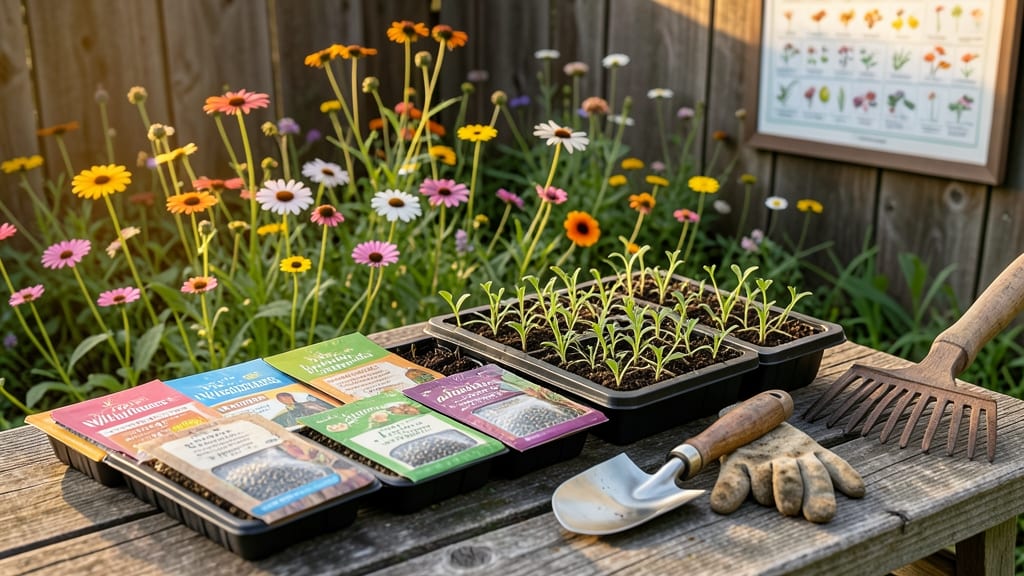
Planting wildflowers in Zone 7 at the wrong time can mean the difference between a vibrant meadow and a patch of dirt—so timing is everything. If you’ve ever watched your 🌼 seeds sprout too late or fail to thrive in summer heat, you’re not alone.
The key to year-round blooms lies in understanding when to plant for your specific climate, and Zone 7’s mild winters and hot summers create unique opportunities.
Most gardeners assume spring is the only window, but fall planting often yields bigger, healthier wildflowers that take advantage of cooler soil and steady rain.
I’ve learned the hard way that skipping fall can mean missing out on early spring blooms—so let me show you exactly when to plant for maximum impact, whether you’re sowing seeds in March or September.
We’ll break down the best months for your region, including how to adjust for microclimates like urban heat islands or shaded areas. You’ll also discover which wildflowers thrive in Zone 7’s 180 frost-free days, from drought-resistant natives to showy annuals that keep pollinators buzzing all season.
Ready to transform your garden into a pollinator paradise? By the end, you’ll know not just when to plant, but how to prepare the soil, choose the right varieties, and care for your wildflowers so they bloom reliably—no guesswork required.
Best planting windows for wildflowers in Zone 7 by season
If you're dreaming of a garden bursting with colorful wildflowers that attract bees and butterflies, timing is everything. In Zone 7, the last frost date typically lands around April 15, while the first frost arrives near October 15.
These dates create a 180-day growing season—perfect for strategizing when to plant wildflowers for year-round blooms.
Wildflowers thrive when planted during their optimal soil temperature windows. For cool-season annuals like lupine or snapdragons, aim for early spring (March-April) or fall (September-November). Meanwhile, warm-season favorites such as black-eyed Susan or coneflower prefer late spring (May) or early summer (June) planting.
Microclimates in Zone 7 can shift planting windows by 2-4 weeks. Coastal areas with milder winters may extend fall planting into November, while inland regions should finish by October 1st to avoid frost damage. Always check your local frost dates—they’re your planting calendar!
For perennial wildflowers, fall planting is my top recommendation. Seeds sown in September-October germinate slowly over winter, establishing deep roots before spring. Goldenrod and beebalm are perfect for this strategy—they’ll reward you with 3-5 years of blooms with minimal effort.
Summer planting (June-July) works best for heat-loving annuals like zinnia or sunflower. These varieties thrive when soil temperatures hit 70°F+. Water deeply twice weekly until established, then reduce to weekly maintenance—they’re drought-tolerant once rooted.
Winter planting in Zone 7 is tricky, but cold-hardy annuals like snow-in-summer (Cerastium tomentosum) can handle light frosts. Sow seeds in December under 1-2 inches of mulch for protection. These plants will bloom in early spring, filling gaps left by slower germinators.
Pro tip: Stagger your plantings by 3-4 weeks to create a continuous bloom cycle. For example, plant lupine in March, coneflower in May, and foxglove in September. This ensures color from spring through fall without planting everything at once.
Always prepare your soil by removing weeds and loosening compacted areas. Wildflowers hate competition! A light raking and top-dressing with compost gives seeds the best start. Avoid burying seeds—most need light to germinate, so simply press them into 1/4-inch of soil.
Microclimate adjustments matter: South-facing slopes warm faster in spring, while north-facing beds stay cooler. If your garden has shaded spots, opt for partial-shade wildflowers like columbine or wild ginger. These varieties thrive with 3-6 hours of sun.
Remember: Frost dates are guidelines, not rules. Monitor your garden’s local microclimate—a sheltered spot may stay frost-free 2 weeks longer than official forecasts. When in doubt, plant 2 weeks earlier than the last frost date for cool-season wildflowers.
How to extend wildflower blooms year-round in Zone 7
Creating a continuous wildflower display in Zone 7 isn’t about planting once and hoping for the best—it’s about strategic timing and variety selection. I’ve found that the key to year-round blooms lies in staggered planting and choosing species with overlapping bloom cycles.
For example, pairing early spring bloomers like wild columbine with late-season varieties such as goldenrod ensures no gaps in your garden’s color palette.
One of my biggest breakthroughs came when I realized that fall-planted wildflowers often bloom earlier the following spring than those sown in spring. This is because cooler soil temperatures in autumn allow seeds to germinate without the stress of summer heat.
By planting a mix of cool-season annuals and perennial wildflowers in September and October, I’ve extended my blooming season by nearly three months.
Here’s how to create a non-stop wildflower show in your Zone 7 garden:
Don’t overlook the power of succession planting. Instead of sowing all your seeds at once, divide your planting into three batches spaced two weeks apart. This creates a rolling bloom effect that keeps your garden looking fresh.
For instance, if you plant cosmos in early spring, mid-spring, and late spring, you’ll enjoy blooms from June through October.
Another trick I’ve used successfully is to mix native perennials with annual wildflowers. Native perennials like purple coneflower return every year, while annuals like sunflower provide instant color.
This combination ensures you’ll always have something in bloom, whether it’s the early spring show of wild violets or the late summer display of black-eyed Susans.
Finally, pay attention to biennial wildflowers like foxglove and hollyhock. These plants establish roots in their first year and bloom spectacularly in their second. By planting them in early fall, you’ll get two years of color from a single planting—an incredible value for minimal effort.
Just remember to save some seeds for next year’s garden!
With these strategies, your Zone 7 garden can become a year-round pollinator paradise—no more boring brown patches between blooms! 🌼