
Flowers
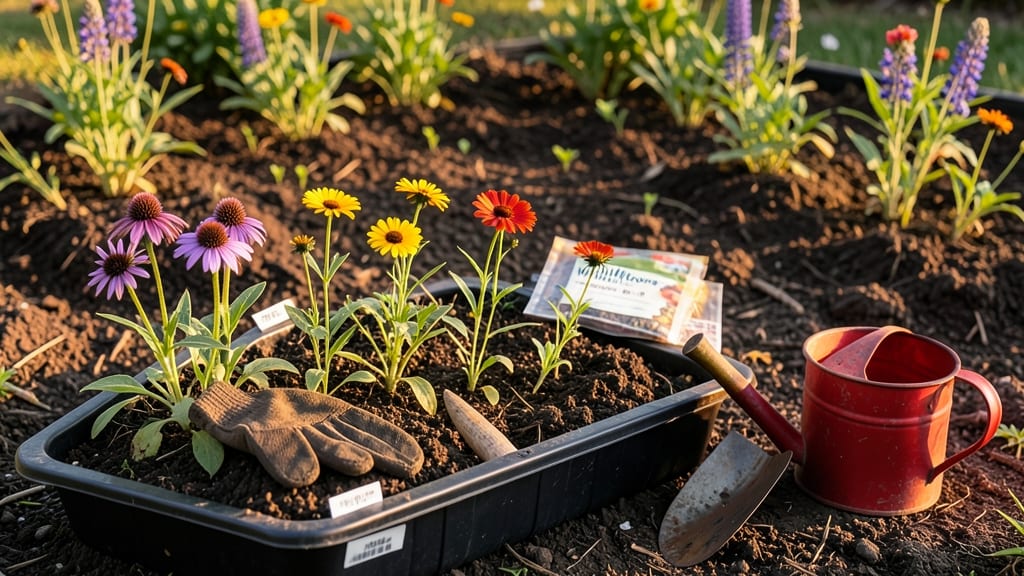
Planting wildflowers in Zone 8 at the wrong time can mean the difference between a vibrant meadow and a patch of dirt—so timing is everything. The key to success lies in understanding your local frost dates and seasonal shifts, which can vary even within the same zone.
For most Zone 8 gardeners, the best windows are fall (September–November) or early spring (February–March), when temperatures are cool but not freezing. This gives seeds time to establish roots before summer heat arrives, ensuring stronger plants and longer bloom seasons.
But don’t worry if you miss those months—we’ll cover adjustments for late plantings too.
Whether you’re sowing seeds or transplanting young plants, the right timing also depends on your wildflower mix. Some varieties thrive when planted in late summer for a bold spring display, while others need the quiet of fall to germinate undisturbed.
Let’s break down the exact months that work best for your Zone 8 garden.
By the end, you’ll know exactly when to plant for zero-frost success, plus how to prep your soil and choose the hardiest wildflowers for your climate. Ready to transform your space into a pollinator paradise?
Optimal wildflower planting months in Zone 8 by season
Zone 8 spans from central California to Florida’s panhandle, offering diverse microclimates that affect wildflower timing. Coastal areas like San Diego have milder winters, while inland Phoenix faces extreme heat—both demand precise planting strategies.
I’ve planted wildflowers in both regions and learned that fall and early spring are your golden windows for success.
For annual wildflowers, like California poppies or cosmos, timing matters most—they bloom once and fade. Perennials, such as black-eyed Susans or coneflowers, are more forgiving but still thrive with the right seasonal approach. Let’s break it down by season to maximize your meadow’s potential.
🌱 Key Insight: Zone 8’s last frost date varies wildly—coastal areas may see frost in December, while inland zones can experience it as late as January 15. Always check your local USDA frost map before planting.
| Season | Best Planting Months | Wildflower Type | Planting Method | Notes |
|---|---|---|---|---|
| Spring | February–March | Annuals, Tender Perennials | Direct seed or transplant | Avoid late frosts; water daily until established. |
| Summer | August (coastal) | Heat-tolerant annuals | Direct seed only | Plant after July 4th to escape heatwaves; mulch to retain moisture. |
| Fall | September–November | Perennials, Biennials | Direct seed or transplant | Ideal for root establishment before winter; coastal areas can plant until December. |
| Winter | January (coastal only) | Cold-hardy annuals | Direct seed | Risky for inland zones; use row covers if attempting. |
Spring planting in Zone 8 kicks off in February for annual wildflowers like sunflowers or zinnia. These varieties thrive when soil temperatures hit 60°F, signaling it’s safe to sow seeds. I’ve found that transplanting young wildflower starts (available at nurseries) gives them a head start over direct-seeded varieties.
For summer planting, focus on August in coastal areas where temperatures remain moderate. Inland gardeners should avoid summer planting entirely—heat stress and drought will kill seeds before germination. Instead, opt for shade-tolerant varieties like Mexican sunflower if you must plant late.
Fall is my favorite season for wildflowers in Zone 8. Planting perennials like purple coneflower or butterfly weed in September–October gives roots time to establish before winter. Coastal gardeners can extend planting until November, but inland areas should finish by October 15 to avoid early frosts.
Winter planting is high-risk in most of Zone 8, but coastal microclimates (like San Diego) allow for January sowings of cold-hardy varieties. Use row covers or mulch to protect seeds from unexpected frost. I’ve had success with lupine and sweet alyssum in these conditions.
Pro tip: Succession planting extends your bloom season. Sow fast-growing annuals like cosmos every 4–6 weeks from spring to early summer. This ensures continuous color without gaps. I’ve used this trick to keep my meadow blooming from April through October.
Regional variations matter—coastal Zone 8 (e.g., Santa Barbara) has milder winters and can plant later, while inland desert zones (e.g., Tucson) must plant earlier to avoid summer heat. Always adjust your timing based on your local last frost date and summer rainfall patterns.
Remember, wildflowers thrive on neglect once established. Overwatering or fertilizing too much can
How to adjust planting for Zone 8 microclimates and soil conditions
Zone 8’s diverse microclimates—from coastal breezes to inland heat pockets—can throw off even the best-laid planting plans. A frost pocket in your yard might delay spring plantings by weeks, while heavy clay soil can suffocate wildflower roots if not amended.
The key is adapting your approach to match your specific conditions, whether that means delaying sowing, mulching heavily, or choosing drought-tolerant varieties.
Start by identifying your garden’s unique challenges. Is your soil waterlogged after rain? Do late frosts linger in shaded corners? These factors dictate whether you’ll plant earlier, later, or use protective measures like shade cloth or row covers.
For example, if your area has late spring frosts (common in inland Zone 8), wait until mid-April for spring plantings instead of March.
Here’s the critical adjustment: Fall planting (September–November) is often the safest bet for Zone 8, as seeds germinate in cool weather and establish roots before summer heat.
But if your soil stays too wet in fall, switch to early spring (February–March) and use a soil amendment like compost to improve drainage.
Watch Out for These Zone 8 Pitfalls
Planting wildflowers in heavy clay soil without amendments can lead to root rot or stunted growth. If your soil feels sticky when wet, mix in sand or compost to improve aeration. Similarly, drought-prone areas require mulch (2–3 inches) to retain moisture, while frost pockets may need row covers for late-spring plantings.
Pro Tip: Test your soil’s drainage by digging a 6-inch hole, filling it with water, and timing how long it takes to drain. If it’s slower than 4 hours, amend before planting.
For drought-prone areas, group wildflowers with succession planting techniques. Sow a mix of early bloomers (like lupine) and late-season varieties (like black-eyed Susan) to ensure continuous blooms and reduce water stress. Pair this with drip irrigation or soaker hoses to deliver water directly to roots, minimizing evaporation.
If your microclimate includes hot afternoons (common in inland Zone 8), use shade cloth (30–50% shade) during the hottest months to protect young seedlings. This mimics the partial shade many wildflowers prefer in their native habitats.
Remove the cloth once temperatures drop in late summer to encourage full sun growth for robust blooms.
Before you plant, use this quick pre-planting checklist to set yourself up for success:
- ✅ Test soil pH (aim for 6.0–7.0 for most wildflowers)
- ✅ Amend clay soil with compost or sand
- ✅ Choose native varieties for your region
- ✅ Apply 2–3 inches of mulch to retain moisture
- ✅ Mark frost-prone areas for delayed planting
With these adjustments, your Zone 8 wildflowers will thrive year after year, regardless of whether you’re battling clay soil, late frosts, or summer droughts. The secret? Observe, adapt, and protect—your meadow will thank you with vibrant blooms from spring to fall. 🌼