
Plants
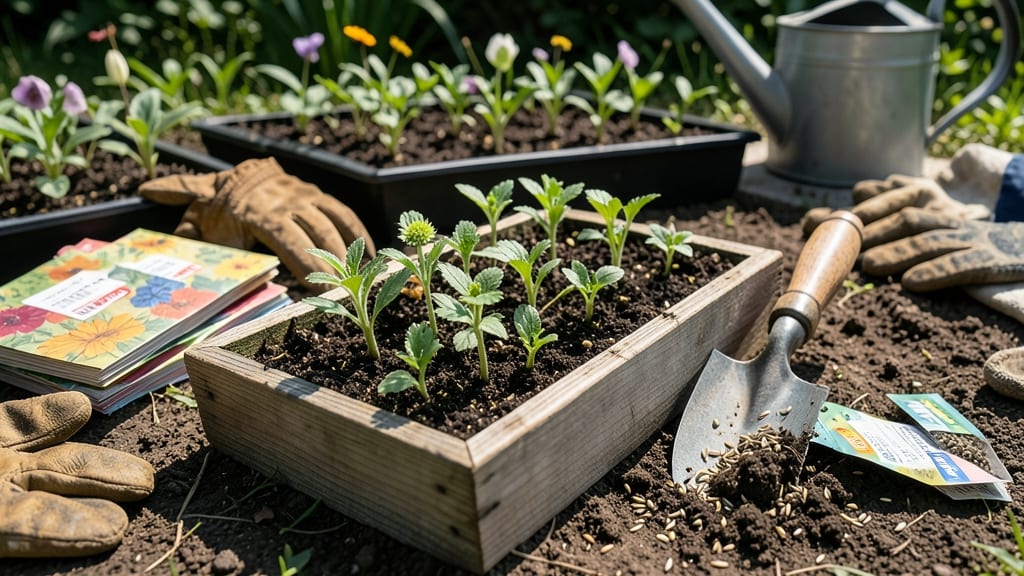
Planting wildflower seeds in Zone 5 at the wrong time can leave you staring at bare soil instead of a vibrant 🌼 meadow. The key to success isn't just throwing seeds into the ground—it's understanding when to plant for the best results in your climate.
Zone 5's unpredictable swings between frost and warmth make timing everything. Whether you're a beginner or a seasoned gardener, getting the timing right means the difference between sparse blooms and a lush, long-lasting display.
Let me break down the best windows for planting—spring or fall—and why one might work better for your specific location.
Most gardeners swear by fall planting, but spring can also work if done correctly. I'll share the exact months to aim for, along with soil prep tips and post-planting care to ensure your wildflowers thrive. Ready to turn your garden into a pollinator paradise?
Skip the guesswork and learn the optimal planting times that actually deliver results. Whether you're planting for early summer blooms or next year's beauty, this guide has you covered.
Optimal planting windows for Zone 5 wildflowers: spring vs fall comparison
Zone 5's unpredictable frost dates and temperature swings make planting wildflower seeds a delicate timing game. Most gardeners swear by fall planting, but spring can work too—if you follow the rules. Let me break down the exact windows, soil conditions, and regional differences that determine success.
In northern Zone 5 (e.g., Minnesota, Wisconsin), frost can linger until May 15, while southern Zone 5 (e.g., Kansas, Missouri) often sees last frosts by April 15. These differences shift your planting timeline by weeks. I’ll show you how to adjust for your location.
Soil temperature is the real game-changer. Wildflower seeds need 40-70°F soil temps to germinate. In spring, this means waiting until after the last frost when soil warms consistently. Fall planting, however, works because cooler temps help seeds establish before winter dormancy.
Here’s the critical comparison—spring vs. fall—with month-by-month breakdowns and regional adjustments to avoid common mistakes:
| Factor | Spring Planting | Fall Planting |
|---|---|---|
| Best Months | Late April–May (after last frost) | September–October (4–6 weeks before first frost) |
| Soil Temperature | 50–70°F (wait for consistent warmth) | 40–60°F (cooler temps help germination) |
| Northern Zone 5 | Wait until May 1–15 (soil >55°F) | Plant by September 15 (before hard frost) |
| Southern Zone 5 | Plant by April 15 (earlier last frost) | Extend to October 15 (warmer microclimates) |
| Watering Needs | Daily until germination (2–3 weeks) | Weekly until frost (seeds need moisture to root) |
| Pros | Faster blooms in first year | Less competition from weeds; better survival |
| Cons | Higher pest pressure (birds, insects) | Risk of early frost if planted too late |
Fall planting is often the safest bet in Zone 5 because seeds germinate slowly in cool soil, avoiding summer drought stress. However, if you’re aiming for immediate color, spring planting can deliver blooms by early summer—just be prepared for more maintenance.
For northern Zone 5, stick to fall planting unless you’re in a microclimate with early warming. In southern Zone 5, you can push spring planting slightly earlier (late March) or extend fall planting into mid-October if your area stays mild.
One critical tip: Always test your soil temperature with a soil thermometer before planting. Wildflower seeds won’t germinate if the ground is too cold or too hot. Aim for that 50–70°F sweet spot for spring or 40–60°F in fall.
After planting, keep seeds lightly moist (not soggy) until germination. Mulch lightly with straw to retain moisture and suppress weeds. In spring, watch for early bloomers like black-eyed Susans, while fall-planted seeds often surprise you with next-year blooms like coneflowers.
Pro tip: Mix native wildflower seeds with a light cover of compost (no deeper than ¼ inch) to protect them from wind and birds. This simple trick can double your success rate in Zone 5’s variable climate.
How to prepare your soil and site for wildflower success in Zone 5
Before scattering those wildflower seeds, your Zone 5 soil needs the right conditions to give your plants the best start. Poor soil prep is the #1 reason wildflower meadows fail—even with perfect timing.
I’ve learned that loose, well-draining soil with minimal competition from grass is key for germination and early growth.
Start by choosing a sunny location with at least 6 hours of sunlight daily. Most wildflowers thrive in full sun, but a few varieties tolerate partial shade. Clear any existing vegetation, including weeds and grass, since they’ll compete for nutrients and water during those critical first weeks.
Zone 5’s clay-heavy or compacted soils can suffocate wildflower roots. If your soil feels dense when moist, it’s time to improve it. Amending with compost or aged manure adds organic matter, while sand or perlite helps break up clay.
Aim for a 2-3 inch layer mixed into the top 6 inches of soil.
⚠️ WARNING: Avoid Over-Tilling! ⚠️
⚠️ Over-tilling disrupts soil structure and can bring weed seeds to the surface. For wildflowers, a light raking or broadforking (12-18 inches deep) is enough. If your soil is extremely compacted, focus on adding organic matter instead of digging deeper—wildflowers have shallow roots and don’t need deep soil.
🌱 Pro Tip: Test your soil’s pH—most wildflowers prefer 6.0-7.5. If it’s too acidic, add lime; if alkaline, use sulfur or peat moss.
Once your soil is prepped, rake the surface to create a fine seedbed. Wildflower seeds need light to germinate, so avoid burying them more than 1/4 inch deep. For larger seeds, a 1/2 inch cover works, but most native wildflowers prefer minimal soil contact.
Consider adding a light mulch layer (straw or leaves) after planting to protect seeds from drying winds and bird predation. This is especially important in Zone 5’s unpredictable spring rains or hot summer winds. Just keep it thin—too much mulch can smother emerging seedlings.
Finally, mark your planting area to avoid accidentally disturbing it. Wildflower seeds are tiny, and foot traffic can bury them too deep. A simple stake or string works perfectly. With your soil prepped and site protected, you’re ready for planting—whether in early spring or fall.