
Flowers
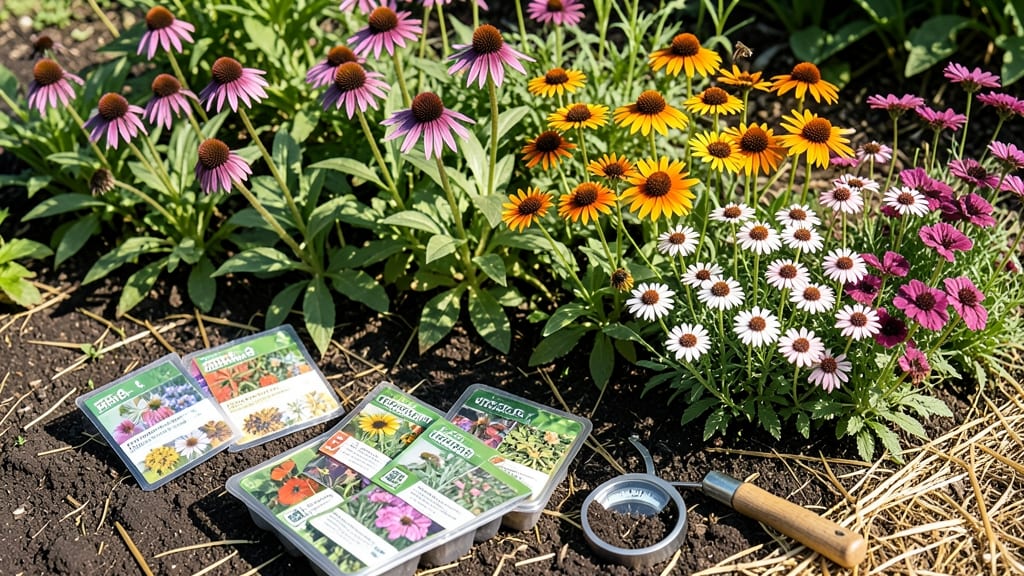
Planting wildflowers in Zone 6 at the wrong time can mean the difference between a burst of color all season and a patch of dirt. The best months to plant—March-April or September-October—align perfectly with soil temperatures and frost patterns, but getting it wrong can leave your garden looking bare.
I’ve learned the hard way that rushing wildflowers 🌼 into cold soil or waiting too late risks weak germination and missed blooms. Whether you’re sowing seeds directly or transplanting young plants, timing is everything for fast, reliable growth.
Let’s break down the exact windows and pro tips to ensure your wildflowers thrive from the first sprout.
Zone 6’s climate—with its unpredictable swings between frost and heat—demands a strategic approach. Some wildflowers, like cosmos, need warm soil to germinate, while others, like black-eyed Susans, can handle cooler temperatures.
The key is knowing which seeds to plant when to avoid wasting effort (and money) on seeds that won’t sprout.
In this guide, I’ll share my fastest, most foolproof method for planting wildflowers in Zone 6, including soil prep, watering schedules, and even how to extend your blooming season. By the end, you’ll have a garden that’s not just beautiful but also low-maintenance and full of life.
Zone 6 wildflower planting timeline by seed type: cool vs warm season varieties
Timing your wildflower plantings in Zone 6 means the difference between a lush, colorful meadow and a failed experiment. The key lies in understanding whether your flowers thrive in cool-season or warm-season conditions—and when to plant them for maximum success.
Here’s my breakdown of the best months for each type, based on soil temperatures and frost dates in your region.
For cool-season wildflowers like lupines and phlox, the window opens in early spring (March–April), while warm-season varieties such as cosmos and zinnias wait until after the last frost (May–June).
Perennials like black-eyed Susans and cone flowers also benefit from fall planting (September–October), giving roots time to establish before winter.
Soil temperature is your best guide: aim for 40–50°F for cool-season seeds and 60–70°F for warm-season varieties. Use a soil thermometer to check—this small tool saves you from guessing and wasted seeds. In Zone 6, late March often hits that sweet spot for cool-season blooms, while mid-May is ideal for warm-season stars.
Direct sowing is easiest for most wildflowers, but transplants give frost-sensitive species like sunflowers a head start. Start seeds indoors 4–6 weeks before the last frost (around mid-February for Zone 6) if you’re impatient for blooms. Just be ready to harden off seedlings before transplanting outdoors.
If you’re planting in fall (September–October), focus on perennials and cool-hardy annuals like lupines. These varieties establish roots before winter and reward you with early spring blooms. For warm-season annuals, wait until mid-May to avoid late frosts that can devastate tender seedlings.
Pro tip: Stratify seeds for perennials (like black-eyed Susans) by mixing them with moist sand and refrigerating for 4–6 weeks before planting. This mimics winter conditions and breaks dormancy, ensuring faster germination.
For direct sowing, scatter seeds lightly on prepared soil—no need to bury deeply—and water gently to settle them into place.
Zone 6’s unpredictable spring weather can throw off even the best-laid plans. If frost threatens after planting, cover seedlings with row fabric or old bedsheets to protect them.
Once established, most wildflowers are drought-tolerant, but keep soil moist (not soggy) during the first 2–3 weeks to encourage strong root growth.
For continuous blooms, stagger plantings every 3–4 weeks from March through June. This ensures a nonstop parade of color from early spring through fall. Pair early bloomers
5 Pro tips to ensure fast germination in Zone 6’s variable climate
Zone 6’s unpredictable frost dates and temperature swings can turn wildflower planting into a gamble. I’ve found that the secret to fast germination lies in preparing seeds and soil weeks before the ideal planting window.
Whether you’re dealing with tough seed coats or cool-season perennials, these pro tips will give your wildflowers the best possible start—even when Mother Nature throws curveballs.
First, scarification is non-negotiable for seeds like black-eyed Susans or coneflowers. Their hard outer shells need a little help breaking down. I use a simple sandpaper trick: rub seeds gently between two sheets of fine-grit sandpaper until you see tiny cracks.
This mimics natural wear and tear, tricking the seed into thinking it’s ready to sprout. For seeds that need stratification, like lupines, place them in a damp paper towel inside a sealed bag and refrigerate for 4-6 weeks before planting.
This mimics winter’s chilling effect, ensuring faster germination once soil warms.
🌱 Pro Tips for Fast Germination
- ✅ Scarify tough seeds with sandpaper or hot water to break dormancy
- ✅ Stratify perennials in damp paper towels for 4-6 weeks before planting
- ✅ Keep soil consistently moist (not soggy) with 1/4" weekly watering
- ✅ Use row covers to extend early/late planting by 2-3 weeks
- ✅ Test soil pH (6.0-7.0) and amend with compost for nutrient-rich beds
Once your seeds are prepped, soil moisture becomes critical. Wildflowers need consistent dampness but hate soggy conditions. I water my beds early in the morning to give soil time to dry slightly during the day.
Aim for 1/4 inch of water per week, delivered gently to avoid washing seeds away. A light mulch of straw helps retain moisture while preventing crusting. Pro tip: Use a spray nozzle instead of a stream—it mimics natural rainfall and keeps seeds snug in the soil.
Zone 6’s late frosts can still catch early plantings off guard. That’s where row covers save the day. I drape lightweight fabric over newly sown beds in March or September to create a microclimate that’s 5-10°F warmer.
This lets me plant 2-3 weeks earlier than the last frost date without risking frost damage. For late plantings, row covers also protect tender seedlings from unseasonable chills in May or October. Just remember to remove covers during the day in warm weather to prevent overheating.
Before you even plant, run through this quick checklist to set your wildflowers up for success:
- ☑️ Prep seeds with scarification or stratification as needed
- ☑️ Test soil pH and amend with compost if below 6.0
- ☑️ Clear weeds and loosen top 2" of soil
- ☑️ Water beds 24 hours before sowing for even moisture
- ☑️ Mark planting spots with sticks or flags for accuracy
With these tips, my wildflowers go from first sprouts in 7-14 days to full blooms in 6-8 weeks, even in Zone 6’s finicky climate. The key is preparation—whether it’s breaking seed dormancy or protecting young plants. Once you master these techniques, you’ll enjoy vibrant wildflower meadows with minimal effort, year after year. 🌼