
Plants
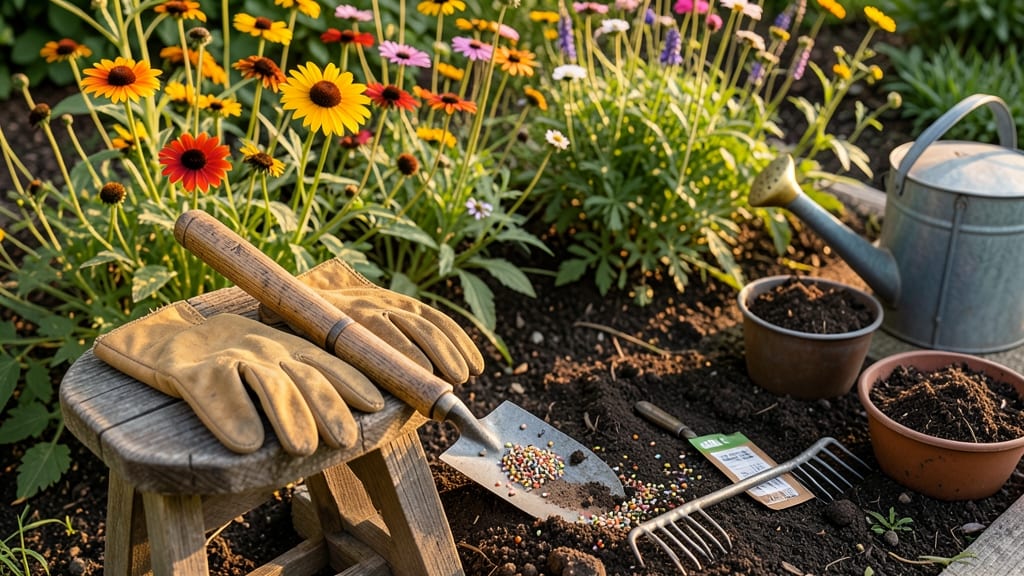
Planting wildflower seeds at the right time in Zone 7 can transform your yard from a blank canvas into a vibrant meadow bursting with color—but timing is everything. If you wait too long, your seeds might not germinate before summer heat sets in, while planting too early risks frost damage.
The key is understanding your local frost dates and choosing the perfect window for your wildflowers to thrive.
For Zone 7 gardeners, the ideal planting window stretches from early spring to late fall, but not all months are created equal. Cool-season varieties like black-eyed Susans and bluebonnets love the gentle temperatures of spring, while hardy perennials benefit from a fall planting to establish roots before winter.
Let’s break down the best months and why they matter.
You might be surprised to learn that fall planting often yields more robust blooms than spring, thanks to cooler soil and steady moisture.
Whether you’re sowing annuals for instant color or perennials for long-term beauty, the right timing ensures your wildflowers 🌼 take hold without competition from weeds or extreme weather. Here’s how to maximize your success.
Ready to skip the guesswork? I’ll walk you through the exact months to plant in Zone 7, plus soil prep tips and seasonal care to keep your wildflowers flourishing year after year. Let’s get those seeds in the ground the right way.
Zone 7 wildflower planting calendar: best months for seed success
Understanding your Zone 7 frost dates is the first step to successful wildflower planting. The last spring frost typically occurs around March 15, while the first fall frost arrives near November 15.
These dates create a 180-day frost-free window, giving you two prime planting opportunities: early spring and late fall. Each season offers unique advantages for different wildflower types, so let’s dive into the specifics.
Fall planting often yields more reliable germination because cooler soil temperatures and steady rainfall help seeds establish roots before winter. Spring planting, on the other hand, gives you instant color but requires careful timing to avoid late frosts.
Regional variations within Zone 7—like the Piedmont’s warmer microclimates versus the Appalachian Mountains’ cooler zones—can shift these dates by 1-2 weeks, so always check your local weather patterns.
For spring planting, aim to sow seeds 4–6 weeks before your last frost date. In most of Zone 7, this means mid-to-late March for the Piedmont and early April in the Appalachians.
Annual wildflowers like cosmos and zinnias thrive when planted in spring, while cool-season perennials such as blue flag iris benefit from early starts. Always prepare your soil by removing weeds and loosening the top 2 inches to improve seed-to-soil contact.
Fall planting, however, offers longer-lasting blooms because perennials establish deep roots before winter. The ideal window is September through October, when soil temperatures hover between 50–60°F.
This timing allows seeds to germinate slowly over winter and burst into color the following spring. Coneflowers and black-eyed Susans are classic fall choices, but native mixes tailored to your region will perform best.
How to choose wildflowers by planting season in Zone 7
Zone 7’s mild winters and hot summers create a unique opportunity for wildflowers, but selecting the right species for each season is key. Cool-season varieties like bluebonnets and lupines thrive in spring’s gentle temperatures, while black-eyed Susans and cone flowers prefer fall planting.
The secret? Matching your wildflowers to the temperature cues of each season ensures stronger roots and bigger blooms.
Spring-planted wildflowers often germinate faster in moist, warming soil, but they face competition from weeds. Fall planting, on the other hand, lets seeds establish roots before winter dormancy, giving them a head start in spring.
For Zone 7, native mixes like partridge pea and coreopsis are ideal—they’re adapted to local conditions and require less fuss once established.
- 1
Early Spring (March–April): Plant cool-season annuals like cosmos and zinnia for summer blooms. Soil temps should be 50–60°F.
- 2
Fall (September–October): Best for perennials like cone flowers and black-eyed Susans. Seeds germinate slowly in cool soil, avoiding summer heat stress.
- 3
Avoid Late Summer (June–August): High temps and drought stress seeds. If planting, use shade cloth and daily watering.
- 4
Winter (November–February): Only plant hardy perennials like goldenrod if soil isn’t frozen. Most seeds won’t germinate in cold.
For spring planting, focus on annual wildflowers that deliver instant color. My top picks for Zone 7 include Mexican sunflower (for late-summer blooms) and sweet alyssum (for early spring fragrance).
These thrive in the 60–75°F range and tolerate light frosts once established. Pro tip: Mix seeds with sand for even distribution and avoid burying them—most need light to germinate.
Fall planting rewards you with stronger perennials that return year after year. Purple coneflower and butterfly weed are perfect choices—they establish deep roots before winter and bloom profusely in Zone 7’s hot summers.
Aim to plant 6–8 weeks before your first frost (typically late September to early October) to give seeds time to germinate without competing weeds.
Don’t overlook native wildflower mixes, which are tailored to Zone 7’s climate. Brands like American Meadows offer region-specific blends that include wild bergamot and partridge pea. These mixes require minimal care once planted and attract pollinators like bees and butterflies.
For best results, prepare your soil with compost and a light fertilizer (5-10-10) before sowing.
Remember, timing isn’t everything—preparation matters just as much. Clear weeds, loosen the soil, and keep newly planted seeds lightly moist until germination. With the right mix and timing, your Zone 7 garden will burst into color from spring to fall. 🌻