
Companion Plants
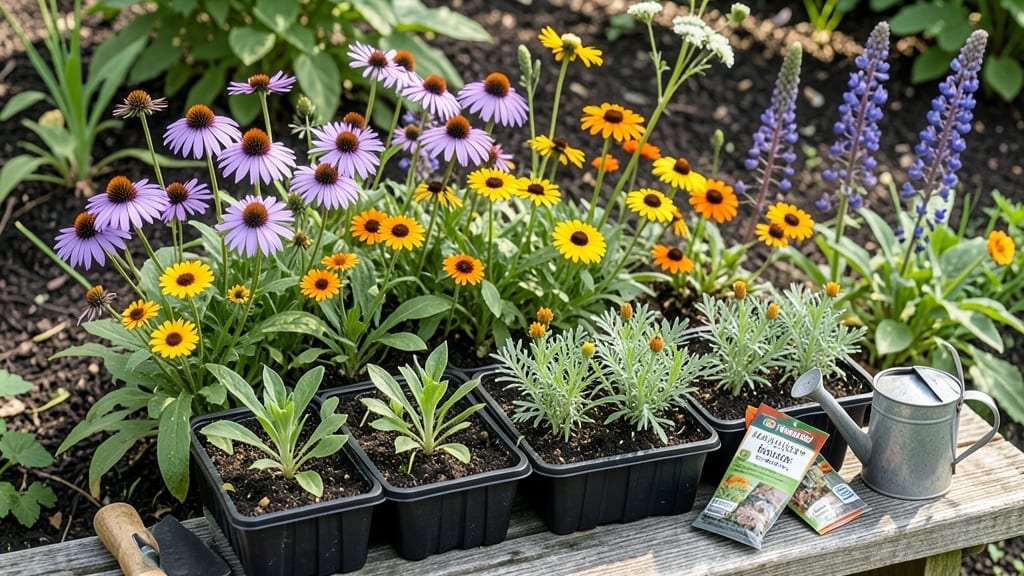
Planting wildflower seeds in Pennsylvania at the wrong time can leave you staring at bare soil instead of a vibrant 🌼 meadow. The best window for success isn't one-size-fits-all—it depends on whether you're in the humid Southeast, the cooler Northwest, or the central valleys where frost dates shift dramatically.
Most gardeners in zones 5a-7a swear by late winter to early spring planting, but there's a clever trick: fall planting can actually give you an edge. The key is understanding how your microclimate's last frost date—typically around March 15—affects germination timing.
I'll break down the exact months that work best for your region, plus how to prep your soil and care for seeds whether you're planting in March or September. Spoiler: some wildflowers thrive with both strategies, while others need one approach to succeed.
Ready to transform your yard into a pollinator paradise? Let's dive into the planting schedule that'll have your wildflowers blooming from spring through fall—no guesswork required.
Pennsylvania wildflower planting calendar by region (spring vs fall best times)
Pennsylvania’s three distinct regions—Southeast, Central, and Northwest—each have unique frost dates and microclimates that dramatically impact when you should plant wildflower seeds. Timing is everything for germination success, especially since wildflowers thrive when soil temperatures hover between 40°F and 75°F.
In this guide, I’ll break down the ideal planting windows for each region, including spring vs fall considerations and how to adjust for your local conditions.
Most Pennsylvania gardeners opt for spring planting (March-April) when soil is workable but not yet too dry, while fall planting (August-September) offers cooler temperatures and fewer weeds. However, the Northwest’s shorter growing season favors earlier spring plantings, while the Southeast’s warmer winters allow for later fall sowing.
Let’s dive into the specifics so you can plant with confidence.
Key rule: Always plant at least 4-6 weeks before your region’s average first frost date (typically November 1) to ensure seeds germinate before winter sets in. For spring planting, aim for 2-3 weeks after your last average frost date (usually March 15 in most zones).
Here’s your region-specific planting calendar, including frost dates, ideal soil temperatures, and the best seasonal windows for maximum blooms:
| Region | Spring Planting Window | Fall Planting Window | Last Frost Date | First Frost Date | Soil Temp for Germination |
|---|---|---|---|---|---|
| Southeast (Zones 6b-7a) | Mid-March to early April | Late August to mid-September | March 10-15 | November 5-10 | 50°F-75°F |
| Central (Zones 6a-6b) | Late March to mid-April | Early August to early September | March 15-20 | October 25-November 1 | 45°F-70°F |
| Northwest (Zones 5a-6a) | Early April to mid-May | Late July to early August | April 1-10 | October 15-25 | 40°F-65°F |
*Soil temperatures are critical for germination; use a soil thermometer to verify conditions.
For the Southeast region (including Philadelphia and Pittsburgh suburbs), spring planting in March gives seeds time to establish before summer heat arrives.
This area’s warmer microclimate also allows for fall planting until mid-September, giving seeds a head start on root growth before winter. Black-eyed Susans and coneflowers thrive here with this schedule.
In Central Pennsylvania (covering Harrisburg and State College), late March to April is ideal for spring sow
How Pennsylvania’s microclimates affect wildflower seed germination success
Pennsylvania’s elevation shifts and humidity zones create wildly different conditions for wildflower seeds. In the Appalachian highlands, cooler temperatures and higher precipitation demand earlier planting, while the Poconos region benefits from late-summer sowing due to shorter growing seasons.
Even within Philadelphia’s urban heat islands, soil warms faster than rural areas, altering germination timing. These microclimates mean a one-size-fits-all approach simply won’t work—your elevation, rainfall patterns, and local frost dates dictate success.
Soil temperature plays the biggest role in germination timing. Seeds in Zone 5a (northwest PA) need to go in by late August to establish roots before frost, while Zone 7a (southeast PA) gardeners can plant until mid-October. The 30°F soil threshold is critical—below this, most wildflower seeds stay dormant.
In higher-elevation areas, this threshold arrives weeks later than in valleys, forcing adjustments to your planting calendar. Humidity also matters: Western PA’s drier climate requires immediate post-planting watering, while eastern PA’s moisture-rich air lets seeds rely more on natural rainfall.
If you’re planting in spring, aim for early March in lowland areas where soils warm quickly, but wait until mid-April in mountainous regions. The key is watching for consistent 50°F soil temps—use a soil thermometer to avoid false starts.
In fall-planted seeds, focus on 6-8 weeks before first frost to allow root establishment. For example, Pittsburgh’s Zone 6b needs seeds in by September 15th, while Erie’s Zone 5b should plant by August 20th.
Urban gardeners often have warmer microclimates due to concrete and buildings, so adjust planting dates 1-2 weeks earlier than rural guidelines.
Don’t overlook humidity’s indirect effects. In eastern PA’s wetter zones, seeds can rot if sown too early—wait until soil is dry to touch before planting. Western PA’s drier conditions require immediate 1-inch watering after sowing.
For high-elevation sites, consider mulching with straw to insulate seeds from temperature swings. Even a 500-foot elevation gain can shift your ideal planting window by 2-3 weeks, so always check local frost date averages from sources like the PA State Climate Office.
Pro tip: Mix spring and fall plantings for continuous blooms. In Zone 7a, sow half your seeds in March and the rest in September—this extends your pollinator support from early spring to late fall.
For Zone 5a gardeners, prioritize fall planting with a small spring backup batch in case of unusually early frosts. Always test your soil’s moisture retention—amend with compost if it drains too quickly, as drought stress is the #1 killer of young wildflower seedlings.
Remember, microclimates aren’t just about elevation—they’re shaped by land use, water bodies, and even building orientations. A south-facing slope warms 2-3 weeks earlier than a