
Plants
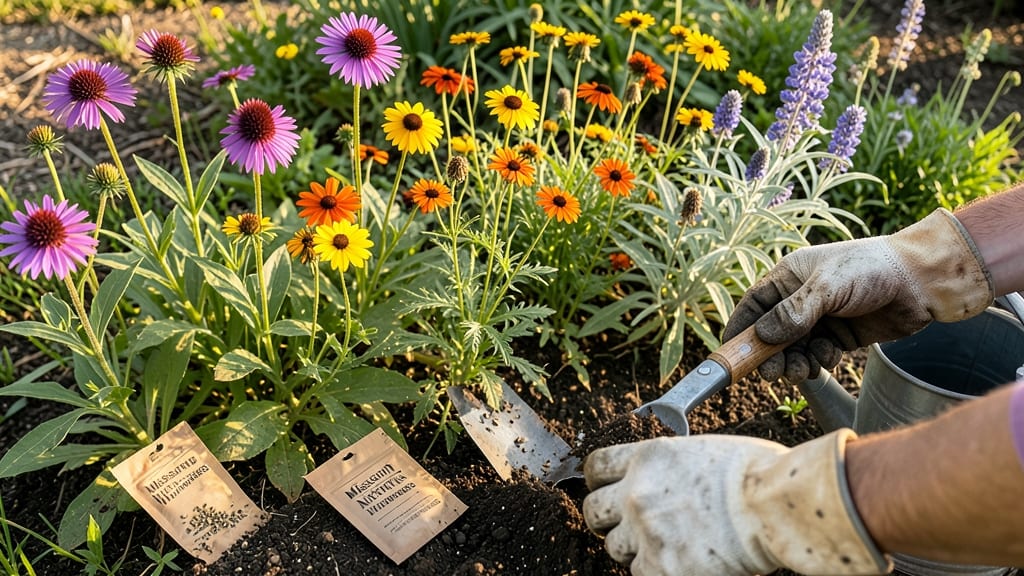
Planting wildflower seeds in Missouri at the wrong time can mean the difference between a vibrant meadow and a patch of dirt—especially when frost cycles throw a wrench into your plans.
Missouri’s 5b-7a zones demand precision: too early in spring, and a late frost can wipe out your efforts; too late in summer, and the heat stresses seeds before they establish roots. The key is timing it right—whether you’re sowing 🌼 native coneflowers or hardy black-eyed Susans.
Most gardeners in Missouri swear by fall planting (late August to early September) because cooler soil and natural frost cycles actually help seeds germinate better. But spring planting (March to April) works too—if you play it smart.
I’ll break down the exact windows, soil prep tips, and regional tricks to ensure your wildflowers thrive—no matter which season you choose.
Missouri’s ideal wildflower planting windows: spring vs fall timing explained
Missouri’s climate creates unique challenges for wildflower enthusiasts, with USDA hardiness zones 5b-7a bringing varied frost patterns across regions like Kansas City and St. Louis.
The key to success lies in understanding soil temperature thresholds—seeds need 50-60°F soil for optimal germination, which occurs naturally during fall and early spring windows.
Northern Missouri (zones 5b-6a) experiences earlier frosts, while southern areas (zones 6b-7a) enjoy extended growing seasons. This creates a 4-6 week planting window that shifts based on your location, with late August through mid-October being ideal for fall planting and mid-March through early April perfecting spring timing.
Here’s how to determine your precise planting window using local frost dates and microclimate factors:
For northern Missouri gardeners, focus on fall planting between late August and mid-September. This window ensures seeds establish roots before winter while avoiding the summer heat stress that can dry out seedlings.
The natural frost stratification during winter actually helps break seed dormancy for many native species like coneflowers and purple prairie clover.
Southern Missouri’s extended season gives you more flexibility, but timing remains critical. Plant late September through early October for fall success or early March through mid-April in spring.
The key difference? Southern regions can sometimes squeeze in a second spring planting in May if you missed fall, while northern areas should avoid this risk entirely.
Regional microclimates play a surprising role in Missouri’s wildflower success. For example, St. Louis’s river valley stays warmer than surrounding areas, potentially extending your fall window by 1-2 weeks.
Conversely, higher elevations in the Ozarks may require planting 2 weeks earlier to account for cooler temperatures. Always observe your specific location’s patterns for 3+ years to refine your timing.
One common mistake is relying solely on calendar months rather than soil temperature. A soil thermometer (available for under $20) becomes your most valuable tool. Aim for consistent 50-60°F soil temps at 2-inch depth—this is your green light for planting.
In Missouri’s clay-heavy soils, which retain moisture and cool more slowly, you might plant 1 week later than sandy soil areas.
Native wildflowers like black-eyed Susans and butterfly weed thrive when planted during these optimal windows because they’ve evolved with Missouri’s climate. These species often require scarification or cold stratification—processes that occur naturally during fall planting.
If you’re planting in spring, consider pre-treating seeds with a light sandpaper rub or cold stratification in your fridge for 4-6 weeks before planting.
Remember that Missouri’s unpredictable frost patterns mean your first frost could arrive earlier than average one year and later the next. Always have a backup plan: if planting in fall and frost arrives unexpectedly early, cover newly seeded areas with straw mulch (3-4 inches thick) to protect emerging seedlings.
For spring plantings, keep a close eye on 10-day weather forecasts to avoid planting during predicted frost events.
🌱
Fall planting advantages for Missouri wildflowers: why most gardeners succeed with autumn timing
Fall planting gives Missouri wildflowers a critical head start because cooler soil temperatures reduce seed stress. Unlike spring, when seeds compete with aggressive weeds, autumn planting creates a weed-free window for establishment.
The natural frost stratification process also breaks seed dormancy—especially for native species like coneflowers and black-eyed Susans—preparing them to sprout earlier in spring.
Missouri’s USDA zones 5b-7a experience milder autumns than springs, making late August to early October the sweet spot for sowing. Seeds planted now germinate slowly over winter, developing strong roots before spring’s competitive rush.
This method often yields 30-50% higher germination rates than spring planting, according to Missouri Botanical Garden studies.
🌱 Why Fall Planting Works Best in Missouri
- Cooler soil temps (50-65°F) reduce seed stress and improve moisture retention.
- Natural frost stratification breaks seed dormancy, mimicking wild conditions for native species.
- Weed competition is minimal as most annual weeds haven’t germinated yet.
- Established roots by spring mean faster blooming and stronger plants.
- Moisture consistency—fall rains keep soil damp longer than spring’s unpredictable showers.
For Missouri’s clay-heavy soils, fall planting also means seeds avoid the crusting effect of spring’s heavy rains. A light raking after sowing (no deeper than ¼ inch) ensures good soil contact while preventing compaction.
Native wildflowers like purple coneflower and butterfly milkweed thrive when planted this way, as their seeds naturally rely on winter’s freeze-thaw cycles to germinate.
Prepare your seedbed by removing existing weeds and tilling the top 2-3 inches of soil. Add a thin layer of compost (½ inch) for nutrients, then lightly rake to create a fine, crumbly texture.
This mimics the natural seedbed conditions wildflowers evolved in Missouri’s prairie ecosystems. Water gently after planting to settle seeds without displacing them.
One of the biggest advantages is reduced transplant shock. Seeds sown in fall establish roots before spring’s heat stress, while spring-planted seeds often struggle with drought conditions as temperatures rise.
Native species like wild bergamot and partridge pea particularly benefit from this timing, as their seeds require cold stratification to break dormancy.
By planting in fall, you’re not just beating the weeds—you’re working with Mother Nature’s schedule. The natural freeze-thaw cycles of Missouri winters prepare seeds for spring growth, while the cooler temperatures reduce disease pressure.
This method has made me a believer in autumn planting, especially for large meadows where spring planting would be nearly impossible to manage.