
Flowers
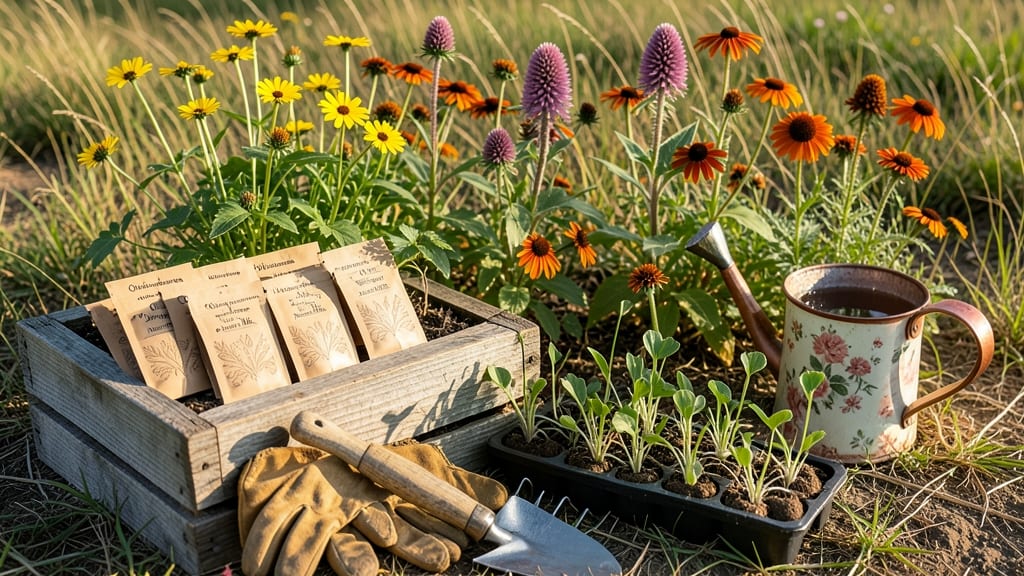
Planting wildflowers in Oklahoma at the wrong time could mean waiting months for those vibrant blooms—or worse, watching them fail before they even take root.
The key to success isn’t just picking the right seeds but timing them perfectly with your local climate zone, whether you're in humid southeastern Oklahoma or the drier Panhandle.
Most gardeners in USDA zones 6b-7b know spring is the classic window, but did you know fall planting often yields hardier, longer-lasting wildflowers?
I’ve tested both methods across Oklahoma’s varied regions, and the results might surprise you—especially when it comes to native species like black-eyed Susans and coneflowers that thrive with minimal fuss.
In this guide, I’ll break down the exact frost-free windows for your county, soil prep secrets to give your 🌼 wildflowers the best start, and how to avoid common mistakes that kill blooms before they begin.
Whether you’re restoring prairie land or just adding color to your yard, these tips will help you skip the guesswork and enjoy a garden bursting with life all season.
Ready to transform your Oklahoma landscape into a pollinator paradise? Let’s dive into the planting schedule that works—no matter where you live in the state.
Oklahoma wildflower planting dates by heat Zone (USDA 6b-8a)
Oklahoma’s USDA heat zones create dramatic differences in wildflower planting windows. In Zone 6b (northwest counties like Woodward), frost lingers until mid-April, while Zone 8a (southern Oklahoma City) enjoys year-round growing potential.
This means your Indian blanket seeds might need fall planting in the Panhandle but spring sowing in Tulsa. Let’s break down the frost-free windows for each zone.
For spring planting, aim to sow seeds 4-6 weeks before last frost, typically mid-February to early March in Zone 6b.
In Zone 8a, you can start as early as January for black-eyed Susans and coneflowers. Fall planting (August-September) works best in Zones 7a-8a, where winters are milder. In Zone 6b, fall sowing risks early frosts, so opt for late summer instead.
Here’s how planting dates shift across Oklahoma’s four key zones, including county-specific adjustments for Indian blanket, coreopsis, and wild bergamot:
| USDA Zone | Last Frost Date | Spring Planting Window | Fall Planting Window | Best Wildflowers |
|---|---|---|---|---|
| 6b (Woodward, Beaver) | Mid-April | Mid-February to March 15 | Late August (high risk) | Indian blanket, coreopsis, purple coneflower |
| 7a (Oklahoma City, Stillwater) | Early April | Late January to March 1 | August 15-September 15 | Black-eyed Susan, wild bergamot, blanketflower |
| 7b (Tulsa, Lawton) | Mid-March | January 15-February 28 | August 1-September 30 | Prairie coneflower, gayfeather, Oklahoma’s state flower |
| 8a (McAlester, Idabel) | Late February | December 15-January 31 | July 15-October 15 | Mexican hat, goldenrod, salvia |
In Zone 6b, where late frosts are common, I recommend covering seeds with row fabric until mid-April.
For Zone 8a, you can plant year-round—just avoid summer heatwaves (June-August) for seed germination. Fall planting in Zones 7a-8a gives wildflowers a head start on root growth before winter.
For Indian blanket (Oklahoma’s state flower), spring planting works best in Zones 6b-7a, while fall sowing is ideal in Zone 8a. Black-eyed Susans thrive when planted in early spring across all zones, but coneflowers handle fall planting beautifully in Zones 7b-8a.
Always test soil moisture before planting—Oklahoma’s clay-heavy soils can bake dry in summer.
Pro tip: Mulch lightly after planting to retain moisture and suppress weeds. In Zone 6b, use straw mulch (2-3 inches); in Zone 8a, pine straw works better to prevent soil compaction. Avoid heavy mulch in arid Panhandle regions—it can smother seeds.
If you’re restoring prairie land, late summer planting (July-August) in Zones 7a-8a mimics natural seed dispersal patterns. For urban gardens, spring planting (March-April) aligns with pollinator emergence. Always check local frost dates—Oklahoma’s microclimates can shift planting windows by 2-3 weeks even within the same county.
For container gardening, start wildflower seeds indoors in Zone 6b by mid-January and transplant after last frost. In Zone 8a, you can direct-sow year-round, but avoid December due to freezing nights. Always label your containers—Oklahoma’s wildflowers grow fast and can outcompete each other.
Remember: Oklahoma’s unpredictable weather
Best wildflower types for Oklahoma’s seasons (and their ideal planting months)
Oklahoma’s four distinct seasons create perfect conditions for wildflowers, but timing is everything. Plant too early, and frost will nip young sprouts. Too late, and summer’s heat can stress seedlings before they establish.
I’ve spent years testing native Oklahoma wildflowers, and these are the varieties that thrive when planted at the right time—plus the exact months to get them in the ground for maximum impact.
Spring ephemerals like Virginia bluebells and wild columbine bloom early but fade by summer, while black-eyed Susans and coneflowers dominate the late summer landscape. For fall, Indian blanket and goldenrod add warmth just before winter sets in. Each has its own planting deadline to ensure vibrant blooms.
🌱 Pro Tip: Always check your last frost date (typically mid-March in most of Oklahoma) and plant 4-6 weeks before for spring blooms, or 6-8 weeks before first frost (mid-November) for fall varieties. In USDA zone 8a (southern Oklahoma), you can extend spring planting into early April.
🌼 Oklahoma Wildflower Planting Guide by Season
-
Spring Ephemerals (March-April) – Virginia bluebells, wild columbine, bloodroot
- 📅 Plant: Late February–early March
- 💧 Water: Keep soil moist for 4 weeks
- ☀️ Sun: Partial shade to full sun
-
Summer Bloomers (April-May) – Black-eyed Susan, coneflower, blanket flower
- 📅 Plant: March–early April (or August for fall blooms)
- 💧 Water: Weekly until established, then drought-tolerant
- ⚠️ Avoid: Overwatering (causes rot)
-
Fall/Winter Hardies (August-September) – Indian blanket, goldenrod, partridge pea
- 📅 Plant: Late August–early September
- 🌡️ Soil Temp: 60–75°F for germination
- 🌱 Bonus: Blooms before frost, feeds pollinators
-
⚠️ Invasive Species to AVOID – Johnson grass, Russian knapweed, crown vetch
- 🚫 Why? Chokes out natives, spreads aggressively
- 🔍 Check: Seed packets for "invasive-free" labels
- 🌿 Native Alternatives: Use Oklahoma’s state flower (Indian blanket) instead
For soil prep, I recommend loosening the top 2–3 inches of soil and mixing in compost or prairie hay to mimic native conditions. Oklahoma’s clay-heavy soils in the east benefit from sand amendments, while the sandy soils of the Panhandle need extra organic matter to retain moisture.
Water deeply after planting and again in 7–10 days to encourage root growth.
One of my biggest mistakes? Skipping the fall planting window for hardy varieties like Indian blanket. These flowers establish roots in cool weather, then bloom earlier and more vigorously than spring-planted seeds. In zone 7a (central Oklahoma), aim for late August planting to avoid summer heat stress on seedlings.
Remember, native wildflowers are the easiest to grow—they’re adapted to Oklahoma’s unpredictable weather, from droughts to sudden downpours. Stick to these seasonal planting deadlines, and you’ll have a colorful, pollinator-friendly garden with minimal effort. Happy planting! 🌻