
Flowers
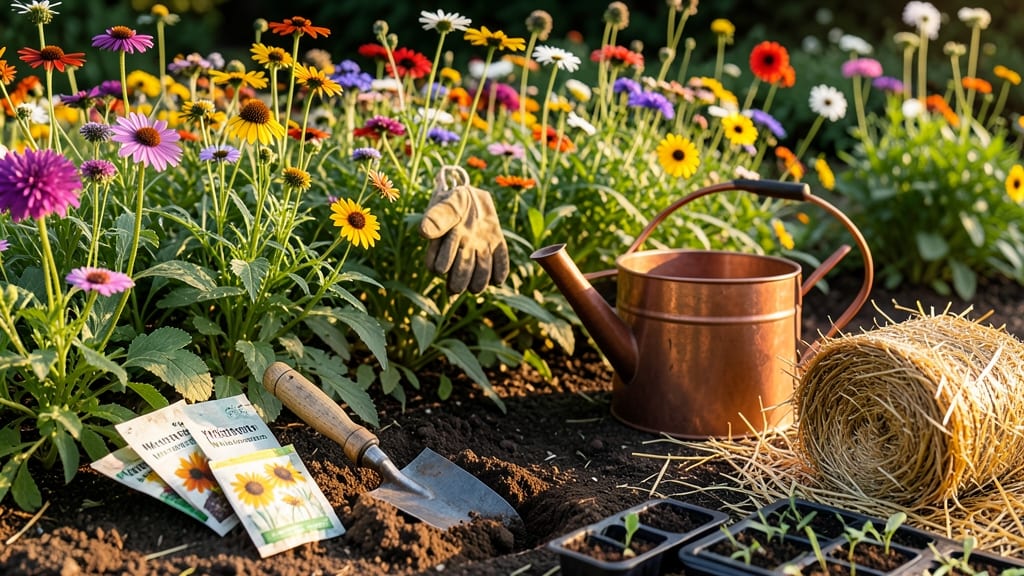
Planting wildflowers in Michigan isn’t just about tossing seeds into the ground—it’s about catching the perfect window between frost and summer heat to ensure those 🌼 blooms thrive. With USDA Zones 5b-6b bringing unpredictable swings from 32°F freezes to 80°F humidity, timing matters more than you’d think.
Most gardeners in Michigan swear by early spring planting, but did you know fall also offers a second chance? The key is understanding your local frost dates—whether you’re in Detroit’s Zone 6b or Traverse City’s cooler 5b—and how soil temperatures shift.
Get it wrong, and you’ll end up with patchy blooms or seeds that never sprout.
In this guide, I’ll break down the exact months to plant for zero-frost blooms, plus pro tips for soil prep and seed selection tailored to Michigan’s climate. No more guessing—just vibrant meadows from May to October.
Ready to transform your yard into a pollinator paradise? Let’s dive into the science behind Michigan’s best planting times so you can skip the trial-and-error and start seeing results this season.
Michigan wildflower planting calendar: exact months by USDA Zone 5 & 6
Michigan’s USDA Zones 5 & 6 create unique challenges for wildflower planting, with late spring frosts in northern regions and humid summers in the south. Timing your seeds correctly ensures strong germination and vibrant blooms from June through October.
Whether you’re planting annuals for instant color or perennials for long-term meadows, understanding your region’s frost dates is key.
Southern Michigan (Zone 6) typically sees its last frost by mid-April, while northern areas (Zone 5) often wait until early May. Soil temperatures must reach 40°F (4°C) for germination, making late April to early May the ideal window for spring planting.
For fall sowing, aim for late August to early September to allow seeds to establish before winter.
Visual Tip: Use a soil thermometer to confirm temperatures—seeds won’t sprout until the ground warms consistently above 45°F (7°C). In cooler microclimates (like near the Great Lakes), wait an extra week to avoid frost damage.
| Planting Window | Zone 5 (North) | Zone 6 (South) | Soil Temp | Notes |
|---|---|---|---|---|
| Spring Annuals | Early May | Late April | 45°F+ | Fastest blooms; cover seeds lightly |
| Spring Perennials | Mid-May | Early May | 50°F+ | Establishes stronger roots; mulch after |
| Fall Planting | Late Aug | Early Sept | 60°F+ | Avoids summer heat stress; water deeply |
| Native Mixes | Late April | Mid-April | 40°F+ | Best for pollinators; no tilling needed |
In Zone 5, where frosts linger longer, prioritize fall planting for hardy perennials like black-eyed Susans and cone flowers. These species germinate in cooler soil and thrive with winter chill. For annuals, wait until after Mother’s Day (mid-May) to avoid late frosts that can kill tender seedlings.
Southern Michigan’s Zone 6 offers a 2-week earlier window for both spring and fall planting. Take advantage by sowing early bloomers like wild columbine in late March under row covers. Monitor soil moisture—Zone 6’s summer droughts can stress young seedlings if not watered consistently.
Pro Tip: Use native wildflower seed mixes for maximum adaptability. These blends include species like purple prairie clover and butterfly weed, which tolerate Michigan’s variable rainfall and heavy clay soils. Scatter seeds in late April when soil is barely damp, then press lightly with a rake.
For container gardening, start seeds indoors in early March (Zone 6) or mid-March (Zone 5) using a heat mat to maintain 65°F (18°C) soil temperatures. Transplant outdoors after all frost risk passes, typically mid-May in northern regions.
Remember: Fall planting is often more successful than spring in Michigan’s climate. Seeds sown in August-September germinate slowly, avoiding summer heat stress, and establish roots before winter. Aim for 6-8 weeks before first frost—usually mid-October—to give seedlings time to mature.
Adjust your timeline based on microclimates. Areas near Lake Michigan may experience cooler, wetter springs, while inland regions like Detroit often see earlier soil warming. Use a frost-free date calculator (like the National Weather Service’s) to fine-tune your schedule.
Once planted, maintain minimal care—wildflowers thrive on neglect! Water lightly for the first 2 weeks to encourage germination, then reduce
5 Critical factors that determine your wildflower success in Michigan
When planting wildflowers in Michigan, the soil moisture during germination is your #1 make-or-break factor. Michigan’s spring rains can be deceptive—what feels like ideal dampness might actually waterlog seeds, while dry spells can leave them parched.
I’ve seen 50% germination failure in areas where seeds were planted during sudden droughts, even with "drought-tolerant" mixes.
Your sunlight exposure directly impacts which wildflowers thrive. Southern Michigan’s Zone 6b areas get more intense sun, while northern Zone 5b spots may have shorter daylight windows.
For example, black-eyed Susans need full sun, while wild columbine tolerates partial shade—planting the wrong type in your light conditions means fewer blooms and more weeds.
Don’t overlook seed type—this determines your planting window flexibility. Annual wildflowers like sunflowers and zinnia germinate quickly (7-14 days) and can handle late spring plantings, while perennial seeds like milkweed need 6-8 weeks of warm soil to sprout.
I once planted milkweed in early May and got zero blooms the first year because the seeds needed warmer soil temperatures.
Michigan’s late frosts are a silent killer for wildflowers. Even in Zone 6b, temperatures can dip to 28°F in early May. To protect your investment, I recommend planting cold-hardy species first (like wild bergamot) and using frost blankets for tender seedlings until May 15.
Check the Michigan State University frost date map for your exact location—it’s a game-changer.
Local wildlife can eat your wildflowers before they even bloom. Deer browse young shoots, while birds and squirrels steal seeds. I’ve lost entire plots to blackbirds in just 48 hours!
To outsmart them, plant in small batches every 2 weeks, use deer-resistant species like yarrow, and scatter seeds after sunset when predators are less active. A light sprinkle of diatomaceous earth around the perimeter also deters insects.
Finally, drought periods after planting can turn your meadow into a dust bowl. Michigan’s summer heat (especially in Zone 6b) can dry out soil quickly. Water deeply but infrequently—aim for 1 inch per week—and mulch with straw to retain moisture.
I’ve seen wildflower plots double in bloom density just by adding a 2-inch mulch layer after planting.