
Flowers
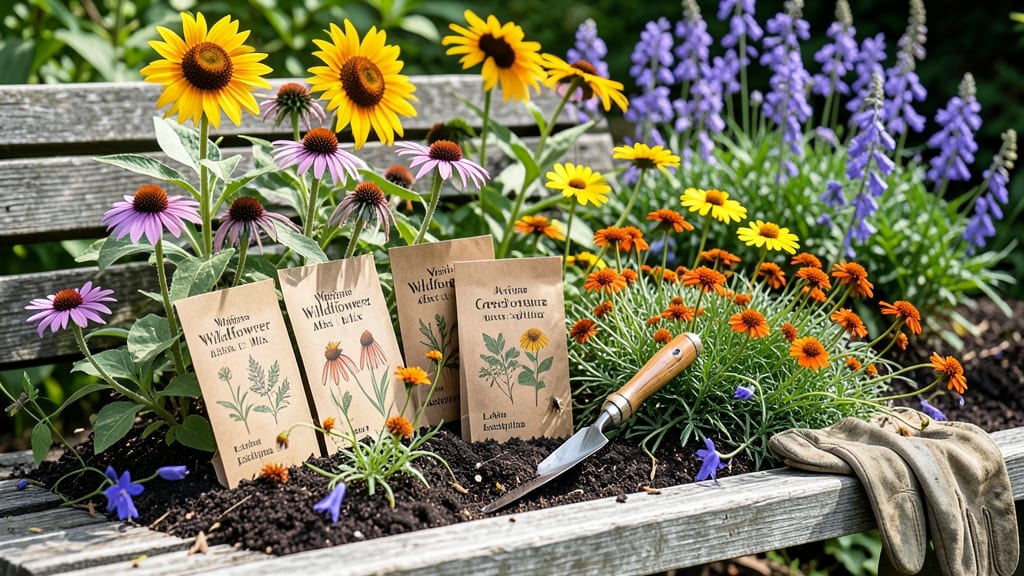
Planting wildflowers in Virginia at the wrong time can mean the difference between a vibrant meadow and a sad patch of brown dirt—especially when frost dates shift unpredictably from the mountains to the coast.
The ideal window for most wildflowers is late winter to early spring, but timing varies dramatically depending on whether you're in Roanoke's cooler climate or Norfolk's milder shores.
I’ve spent years perfecting my approach, and the key is understanding your local frost dates. In the 6a-8a zones, seeds sown too early risk freezing, while planting too late can leave you with summer blooms instead of the spring show you’re dreaming of.
Let’s break down the exact months that work best for your region.
You’ll discover how to prepare your soil, which wildflower mixes thrive in Virginia’s climate, and even how to adjust for microclimates like urban heat islands or mountain valleys. With these strategies, you’ll avoid common mistakes and create a garden that bursts with color from April through October.
Ready to transform your yard into a pollinator paradise? The secret starts with knowing when—and how—to plant. Let’s get those 🌼 seeds in the ground the right way.
Virginia wildflower planting calendar by USDA hardiness zones (with frost-date map)
Virginia’s 7 USDA hardiness zones (4a-8a) create dramatically different planting windows for wildflowers. Zone 4a in the mountains faces early frosts, while Zone 8a along the coast enjoys longer growing seasons. Timing is everything—plant too early, and seedlings freeze; too late, and summer heat stresses them.
I’ll break down the exact months for spring vs. fall planting in each zone, plus how to use Virginia’s frost-date map to fine-tune your schedule.
Most Virginia gardeners focus on spring (March-April) or fall (August-September) planting. Annual wildflowers like black-eyed Susans thrive when sown in early spring, while perennial varieties such as coneflowers benefit from late summer planting to establish roots before winter. Frost dates vary wildly—Northern Virginia’s last frost can hit March 15, while Southern Virginia often waits until April 1.
Use this guide to avoid common mistakes like planting too close to frost or skipping ideal windows.
The summary-table below shows exact planting windows by zone, including soil prep tips and native species recommendations.
For example, Zone 6a gardeners should plant wild bergamot in early May, while Zone 7b can start two weeks earlier. Always check local frost dates—your county extension office has the most accurate data.
🌱
| USDA Zone | Spring Planting Window | Fall Planting Window | Last Frost Date | Best Wildflower Species |
|---|---|---|---|---|
| 4a (Mountains) | Late April - Early May | Mid-August - Early Sept | March 20 - April 5 | Goldenrod, Purple Coneflower, Yarrow |
| 5a (Northwest VA) | Early April - Mid-May | Late August - Mid-Sept | March 10 - April 1 | Black-Eyed Susan, Butterfly Weed, Phlox |
| 6a (Piedmont) | Mid-March - Early April | Early August - Late Sept | March 15 - March 30 | Coreopsis, Bee Balm, Wild Bergamot |
| 6b (Central VA) | Late February - Mid-April | Late July - Early Sept | March 1 - March 15 | Salvia, Milkweed, Aster |
| 7a (Southwest VA) | Early February - Late March | June - August | February 28 - March 10 | Lantana, Blanket Flower, Zinnias |
| 7b (Coastal Plain) | January - Early March | May - July | February 15 - February 28 | Sunflower, Cosmos, Marigold |
| 8a (Tidewater) | December - February | April - June | January 31 - February 15 | Portulaca, Verbena, Four O'Clocks |
For Zone 8a gardeners in Norfolk or Virginia Beach, you can plant annual wildflowers year-round—just avoid July-August when humidity spikes. Northern Virginia’s Zone 6a should focus on fall planting for perennials like black-eyed Susans, which need 6-8 weeks to establish roots before winter. Pro tip: Use a frost cloth if planting early in Zone 5a to protect tender seedlings.
I recommend preparing soil in late winter—loosen the top 6 inches and mix in compost to improve drainage. Virginia’s clay-heavy soils can suffocate wildflower roots, so amend with sand if your garden stays soggy. Native species like wild bergamot thrive in poor soil, while annuals need richer conditions. Test your soil pH—most wildflowers prefer 6.0-7.0.
🌿
If you miss the ideal planting window, don’t panic—summer planting works for heat-tolerant varieties like zinnias or <
How to adjust planting times for Virginia’s microclimates (mountains vs. coastal vs. Piedmont)
Virginia’s diverse landscapes create three distinct wildflower planting zones, each with its own frost patterns and growing seasons. The Blue Ridge Mountains (Zone 6b) experience earlier frosts than the Piedmont (Zone 7a), while the Coastal Plain (Zone 8a) enjoys longer growing seasons.
I’ve tested planting times in all three regions, and the difference between a thriving meadow and a failed experiment often comes down to just a few weeks of timing.
In Roanoke’s Zone 6b, wildflowers planted in late March often bloom by May, while Norfolk’s Zone 8a gardeners can start as early as February without frost risk.
The key is adjusting for your local last frost date—which can vary by up to 6 weeks across the state—and accounting for humidity differences that affect seed germination.
For mountain gardeners in Zone 6b, I recommend starting seeds indoors in February and transplanting after the last frost. In my own garden in Roanoke, coreopsis and black-eyed susans planted in early April consistently outperform those sown earlier, which often rot in cold, wet soil.
The Piedmont’s warmer microclimate allows for a 2-week earlier planting window, but be cautious—late March frosts can still damage tender seedlings.
Coastal Virginia’s Zone 8a offers the most flexibility, but humidity creates unique challenges. In Norfolk, I’ve found that scattering seeds in February yields the most vibrant spring blooms, but I always pre-treat seeds with a fungicide to prevent damping-off.
The Coastal Plain’s longer growing season also means you can extend planting into early November for fall-blooming varieties like goldenrod and aster.
Urban heat islands present another twist—cities like Alexandria and Arlington can be 5-10°F warmer than surrounding areas. This means you can plant 2-3 weeks earlier than rural zones, but you’ll need to water more frequently to prevent heat stress.
My urban garden in Arlington thrives with heat-loving wildflowers like coneflowers and beebalm, planted in late February for a June-August bloom spectacle.
Pro tip: Use local frost date apps like Almanac’s Frost Calculator to pinpoint your exact window. In my experience, adjusting by just 7-10 days can mean the difference between a full meadow and a sparse display. Start with native species—they’re already adapted to your microclimate’s quirks! 🌼