
Plants
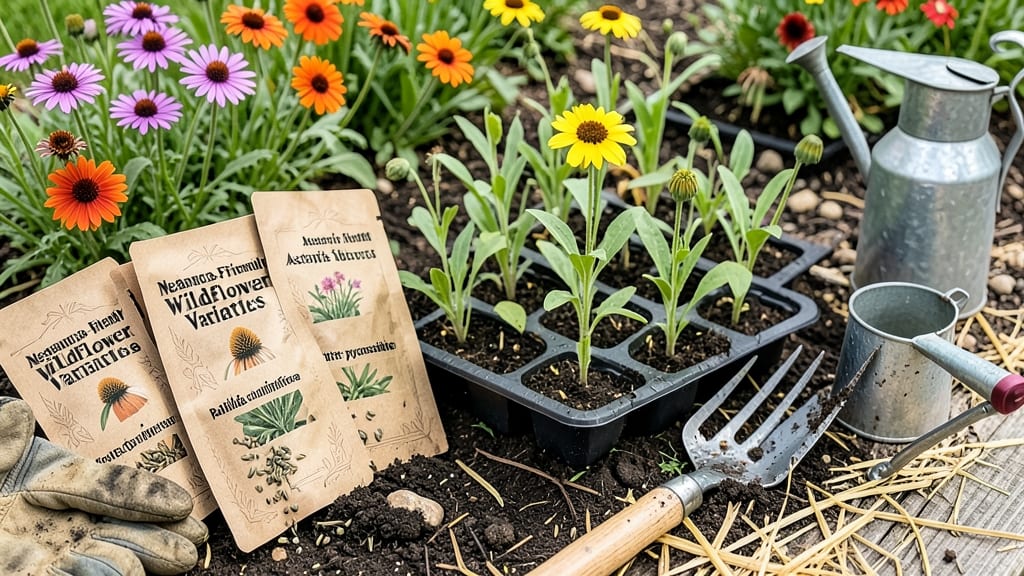
Planting wildflower seeds in Nebraska at the wrong time can turn your dream meadow into a patch of dirt—no blooms in sight. The key is knowing when to plant, especially in USDA Zones 5b-6a, where frost dates can shift unexpectedly.
Whether you're aiming for early spring blooms or a fall garden, timing affects everything from seed germination to summer color.
Most gardeners in Nebraska swear by early spring planting, but fall can actually be the smarter choice for certain wildflower varieties. The secret lies in understanding your local frost dates and soil conditions.
I’ll break down the best windows—plus how to prep your soil for maximum success—so you can avoid common mistakes that lead to sparse or short-lived blooms.
Native wildflowers like black-eyed Susans and purple coneflowers thrive in Nebraska’s climate, but they need the right start. We’ll cover everything from seed depth to sunlight needs, so you can create a vibrant landscape that lasts for years. Ready to transform your yard into a buzzing wildflower haven?
Skip the guesswork and learn the exact steps to plant wildflowers that will flourish from June through August. With the right timing and care, you’ll have a garden that attracts pollinators and brings color to your landscape for seasons to come.
Best planting windows for Nebraska wildflowers by USDA zone 5b-6a
Nebraska’s USDA Zones 5b-6a offer two prime planting windows for wildflowers: early spring and early fall. Spring planting (March-April) gives you vibrant summer blooms, while fall planting (September-October) lets seeds establish roots before winter. The key is avoiding Nebraska’s unpredictable late frosts, which can damage tender seedlings.
I’ve planted wildflowers in both seasons and found that fall planting often yields stronger plants because seeds germinate early in mild winters. However, spring planting works better for annual varieties that need a quick start. Let’s break down the exact timing and why it matters for your Nebraska garden.
🌱
| Planting Window | Best For | Frost Considerations | Bloom Time |
|---|---|---|---|
| Early Spring (March-April) | Annual wildflowers, quick summer color | Risk of late frosts; use frost cloth | June-August |
| Early Fall (September-October) | Perennial wildflowers, long-term blooms | Seeds establish before winter; less frost risk | Next summer (Year 1) + beyond |
| Summer (June-July) | Drought-tolerant species only | High heat; needs frequent watering | Late summer-fall |
For spring planting, aim for mid-March to early April when soil temperatures reach 50°F+. This gives seeds time to germinate before Nebraska’s average last frost date of April 15. I recommend testing your soil first—warm, moist soil is critical for successful germination.
Fall planting should happen 6-8 weeks before your first frost (typically September-October). This window allows seeds to germinate in mild fall weather, grow a strong root system, and overwinter successfully. Perennial wildflowers like coneflowers and black-eyed Susans benefit most from fall planting.
🌿
Nebraska’s variable climate means you must account for sudden late frosts, even in spring. If planting in early March, be prepared to cover seedlings with frost cloth or row covers. I’ve lost entire batches of seeds to unexpected 20°F drops in April—don’t skip this step!
Summer planting is possible but risky unless you choose heat-tolerant species like blanket flower or blackfoot daisy. Plant in late June when soil is still moist from spring rains, and water daily for the first 2 weeks to prevent seed desiccation.
🌻
Pro tip: Stagger your planting by 2-3 weeks for a longer bloom season. For example, plant half your seeds in March and the rest in early April. This ensures continuous color from June through September instead of a single peak bloom.
Remember, Nebraska’s sandy loam and clay soils can dry out quickly in spring. After planting, keep soil consistently moist (not soggy) until seeds germinate. Once established, most wildflowers thrive on rainfall alone—that’s why they’re perfect for low-maintenance gardens.
💧
How to choose wildflower seed varieties for Nebraska’s climate
Nebraska’s diverse soil types—from sandy loam in western regions to clay-heavy soils in the east—play a huge role in wildflower success.
Choosing the right varieties ensures vibrant blooms and minimal maintenance. Native species like prairie coneflower and butterfly weed adapt perfectly to local conditions, while non-native options may require extra care.
Your first decision: drought-tolerant vs. moisture-loving varieties. Nebraska’s variable rainfall (18-30 inches annually) means drought-resistant species like black-eyed Susan and purple prairie clover thrive with minimal watering. In contrast, moisture-loving varieties such as swamp milkweed need consistently damp soil—ideal for low-lying areas or near ponds.
🌱
Native vs. Non-Native Wildflower Varieties
- ✅ Thrives in local soil
- ✅ Supports pollinators
- ✅ Low maintenance
- ✅ Drought-resistant
- ✅ Wider color options
- ✅ May need extra water
- ✅ Can outcompete natives
- ✅ May require soil amendments
For sandy loam soils (common in western Nebraska), choose deep-rooted perennials like prairie dropseed or little bluestem. These varieties prevent erosion and require minimal water once established.
In clay-heavy soils (eastern Nebraska), amend with gypsum or compost to improve drainage before planting moisture-tolerant species like Joe-Pye weed or swamp sunflower.
Planting depth matters! Most wildflower seeds need only 1/8 to 1/4 inch of soil coverage. Larger seeds (like black-eyed Susan) can handle 1/2 inch, while tiny seeds (like bluebonnet) should barely be pressed into soil.
Use a seed mix tailored to your region—Nebraska-specific blends often include 10-15 native species for instant pollinator appeal.
🌿
Pro tip: Mix annuals (like cosmos) with perennials (like coneflower) for year-round interest. Annuals provide quick color, while perennials return every year. For clay soils, add organic matter like leaf mold or well-rotted manure before planting.
In sandy soils, a light layer of mulch helps retain moisture for new seedlings.
💧