
Plants
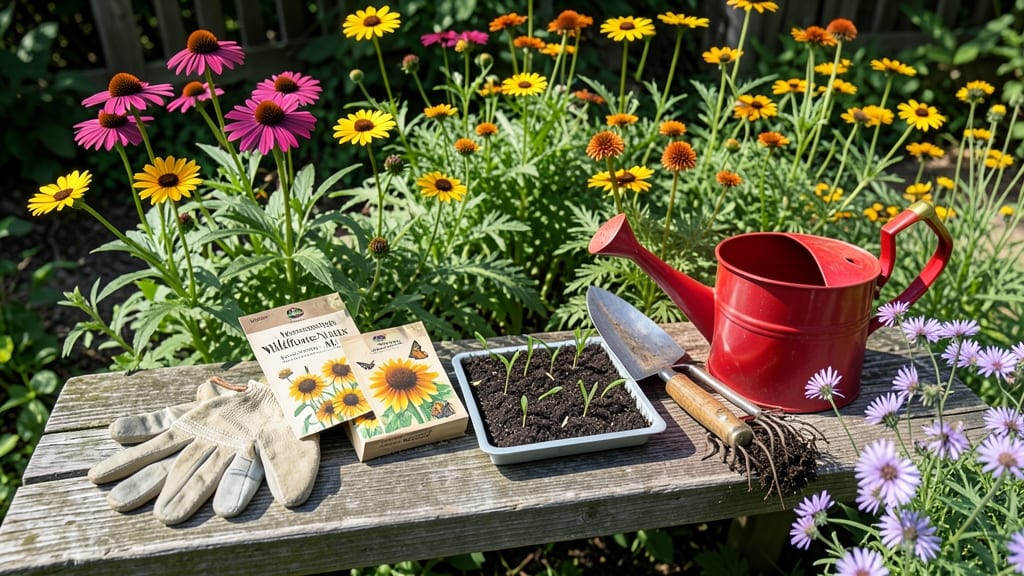
Planting wildflower seeds in Massachusetts at the wrong time could mean waiting months—or even years—for those cheerful 🌼 blooms to appear. The key to a vibrant, pollinator-friendly garden lies in understanding your USDA Zone 5B timing, where late summer to early fall offers the perfect window for success.
If you’ve ever scattered seeds hoping for a burst of color, only to watch them struggle through harsh winters or fade before summer’s end, you’re not alone. The secret isn’t just when you plant—it’s also how you prep the soil and adjust for Massachusetts’ unpredictable microclimates.
I’ll break down the exact months to sow, whether you’re working with direct seeds or nursery starts, so you can skip the guesswork and enjoy year-round blooms.
From rocky New England soil to urban gardens, wildflowers thrive when planted at the right moment—just after the last frost or before the first chill sets in.
Whether you’re a beginner or a seasoned gardener, these proven strategies will help you create a low-maintenance, high-impact landscape that attracts bees, butterflies, and birds.
Ready to transform bare patches into a wildflower paradise? Let’s dive into the best planting windows, soil prep tips, and post-planting care to ensure your seeds grow into a lush, colorful garden that lasts for seasons.
Best wildflower planting windows in Massachusetts (zone 5B): spring vs fall timing
Massachusetts gardeners face a critical decision when planting wildflowers: spring or fall? The answer depends on whether you’re sowing annuals or perennials, as each type responds differently to our Zone 5B climate.
Annuals like cosmos and zinnia thrive when planted after the last frost, while perennials such as black-eyed Susan establish deeper roots when seeded in late summer or early fall.
Timing isn’t just about months—it’s about frost dates and soil temperatures. In Massachusetts, the average last frost date falls around April 15, while the first frost typically arrives by October 15.
Planting too early risks frost damage, while waiting too long can leave seeds exposed to winter’s harsh conditions. I’ll show you how to adjust for these variables to maximize your wildflower success.
The best planting windows for Massachusetts wildflowers are late summer (August-September) for perennials and early spring (May-June) for annuals. However, regional microclimates—like coastal areas staying warmer longer—can shift these timelines by 2-4 weeks.
For example, Cape Cod gardeners might plant annuals a week earlier than those in the Pioneer Valley.
| Planting Window | Best For | Success Rate | Soil Prep | Notes |
|---|---|---|---|---|
| Late Summer (Aug-Sept) | Perennials | 90% | Loosen soil, add compost | Seeds germinate before frost |
| Early Spring (May-June) | Annuals | 85% | Remove weeds, till lightly | Avoid frost-sensitive seeds |
| Fall (Sept-Oct) | Biennials | 80% | Cover with mulch | Seeds overwinter naturally |
| Late Spring (June) | Fast-Growing Annuals | 75% | No prep needed | Quick blooms for summer |
Fall planting—especially in September—is ideal for perennial wildflowers because cooler temperatures reduce weed competition, and seeds can germinate slowly without immediate frost. This method gives roots time to establish before winter, resulting in hardier plants that bloom more vigorously the following year.
For annual wildflowers, early spring planting (after April 15) ensures they mature before our first frost. If you miss this window, late summer (around August 1) is your second chance, but expect slower growth before winter sets in.
Annuals like sunflowers and marigolds are perfect for this strategy, as they thrive in warm soil.
Regional microclimates play a huge role in Massachusetts. Coastal areas like Barnstable County often have warmer soils and can plant annuals 2 weeks earlier than inland regions. Conversely, higher elevations in the Berkshires may need to delay planting by 1-2 weeks to avoid late frosts.
To adjust for your specific location, check the USDA Plant Hardiness Zone Map and note local frost dates from your cooperative extension service. For example, Worcester typically has a last frost around April 20, while Boston averages April 10.
Planting just a week too early in colder areas can spell disaster for tender seeds.
Pro tip: Use a seedling heat mat if you’re planting annuals in early spring, especially in cooler microclimates. This small investment can extend your growing season by 2-3 weeks, giving your wildflowers a head start.
Always water seeds gently after planting to ensure they stay in contact with the soil until germination.
Once your wildflowers are established, minimal maintenance is required. Perennials planted in fall will need light watering during dry spells in their first summer, while annuals benefit from consistent moisture until they’re fully rooted. Mulching around new seedlings helps retain soil moisture and suppress weeds, saving you time and effort.
By following these timing guidelines and adjusting for your local microclimate, you’ll transform your Massachusetts garden into a pollinator magnet with vibrant
How to choose wildflowers for Massachusetts seasons: cool vs warm-season bloomers
Massachusetts' variable climate demands wildflowers that can handle both cool spring and warm summer conditions. The key is selecting native species that align with your garden's sun exposure and soil type.
For example, spring ephemerals like bloodroot bloom early before trees leaf out, while summer perennials like black-eyed Susan thrive in full sun through August.
Your USDA Zone 5B garden benefits most from a mix of cool-season bloomers (March-May) and warm-season stars (June-September). Cool-season varieties establish roots early, while warm-season types take over as temperatures rise. This strategy ensures continuous color and supports pollinators year-round.
Here’s a seasonal breakdown of native wildflowers that thrive in Massachusetts, including their planting depth, sunlight needs, and soil prep requirements:
For drought-prone areas in Massachusetts, prioritize purple coneflower and black-eyed Susan, which require minimal water once established. These perennials return year after year, reducing replanting costs. Always lightly rake soil after sowing to ensure seeds make contact without being buried too deep.
If your garden has rocky soil, amend with compost before planting spring ephemerals like Virginia bluebells. Their delicate roots need moisture retention, but avoid waterlogged conditions. For urban gardens with limited space, opt for shorter varieties like bloodroot or