
Plants
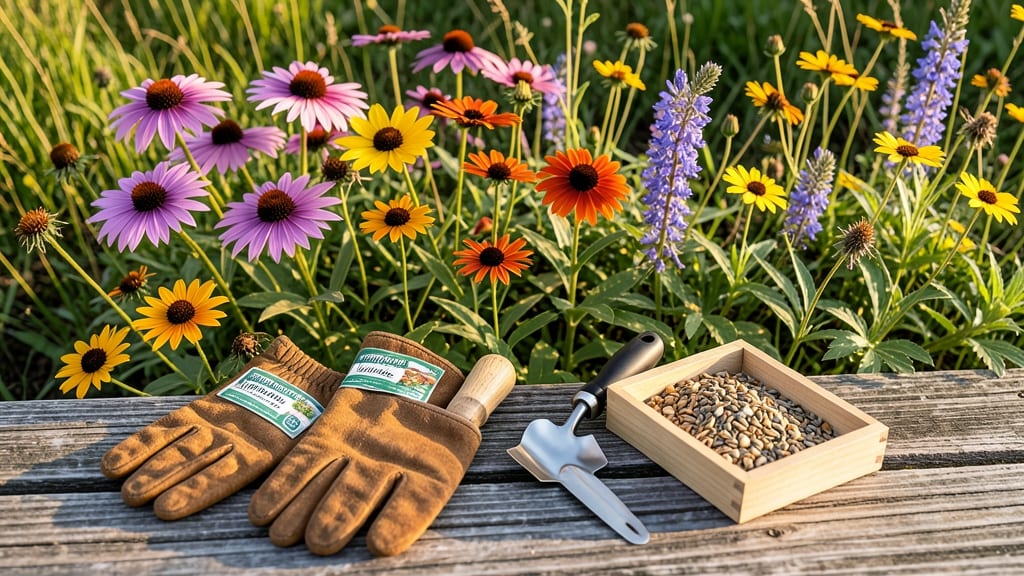
Planting wildflower seeds in Indiana at the wrong time can mean the difference between a vibrant meadow and a sad investment. The perfect frost-free window for your 🌼 seeds opens in early spring or late summer—timing that balances soil warmth and rainfall to give them the best shot at thriving.
If you’ve ever wondered why some wildflower patches explode with color while others barely sprout, the answer lies in understanding Indiana’s USDA Zones 5b-6b and their unique microclimates.
Whether you’re in Indianapolis or Fort Wayne, knowing when to plant—like avoiding late frosts in April or preparing for summer droughts—is the key to success.
I’ve tested the best planting strategies over the years, and what I’m sharing next will help you choose the ideal spring or fall window for your seeds. From soil prep to watering schedules, these tips ensure your wildflowers take root strong and bloom beautifully for years to come.
Ready to transform your yard into a pollinator paradise? Let’s dive into the exact steps to time your planting for maximum impact—no guesswork, just results.
Indiana wildflower planting calendar: best months by USDA zone 6a-6b
Timing your wildflower planting is critical in Indiana’s USDA Zones 6a-6b, where last frost dates can vary by 1-2 weeks between cities like Indianapolis and Fort Wayne.
The ideal frost-free window spans March-April for spring and August-September for fall, but microclimates—like urban heat islands—can shift these dates by 7-10 days.
For spring planting, aim for after March 15 when soil temperatures reach 50°F (10°C). In fall, seeds need 4-6 weeks to germinate before first frost (typically mid-October). Rural areas often have earlier frosts than cities, so adjust accordingly.
Here’s your Indiana wildflower planting calendar with city-specific frost dates and soil temperature guidelines:
| Planting Window | Ideal Months | Soil Temp (°F) | Last Frost (Avg.) | First Frost (Avg.) |
|---|---|---|---|---|
| Spring Planting | March–April | 50–60°F (10–15°C) | Indianapolis: April 10 Fort Wayne: April 5 |
October 15–20 |
| Fall Planting | August–September | 60–70°F (15–21°C) | N/A | October 15–20 |
| Urban Adjustments | Shift 1 week later | Heat islands delay frost | Last frost: April 15 | First frost: October 22 |
| Rural Adjustments | Shift 1 week earlier | Cooler nights | Last frost: April 5 | First frost: October 10 |
In urban areas, like downtown Indianapolis, heat islands can delay first frost by up to 10 days. Use this to your advantage by planting 1 week later than rural guidelines.
Conversely, rural zones near Lake Michigan (e.g., Gary) may see earlier frosts, so plant 1 week earlier.
For spring planting, focus on early bloomers like wild violet or bloodroot, which tolerate cooler soil temps. In fall, prioritize tough perennials such as black-eyed Susan or purple coneflower, which establish roots before winter dormancy.
Pro tip: Use a soil thermometer to confirm 50°F (10°C) for spring or 60°F (15°C) for fall before planting. Cold soil slows germination, while overly warm soil can dry out seeds too quickly.
Adjust your planting schedule based on Indiana’s microclimates. For example, southern Indiana (Zone 6b) has a longer frost-free season (up to 180 days), while northern Indiana (Zone 6a) averages 160 days. Plan accordingly to maximize your meadow’s bloom time.
If you miss the ideal window, don’t panic! Late spring plantings (May) still work for quick-germinating species like annual cosmos, though they may bloom later. For fall, aim for early August to give seeds time to root before winter.
Remember: Indiana’s weather is unpredictable. Check the National Weather Service for 10-day forecasts before planting, especially in April or September when late frosts or early snow can occur.
With the right timing, your Indiana wildflower meadow will thrive year after year, attracting pollinators and adding seasonal color from spring to fall. Happy planting! 🌼
How to choose wildflower seed mixes for Indiana’s climate and pollinators
Indiana’s native wildflowers thrive when you match them to your yard’s conditions. The right seed mix ensures vibrant blooms that attract bees, butterflies, and hummingbirds while surviving Indiana’s Zone 6a-6b climate.
Whether you have full sun or partial shade, drought-prone soil or moist areas, selecting the right mix makes all the difference.
Start by identifying your sun exposure. Most Indiana wildflowers, like black-eyed Susan and purple coneflower, need 6+ hours of sunlight daily. If your space gets less, opt for shade-tolerant varieties like wild bergamot or partridge pea.
Next, consider drought tolerance—Indiana’s summers can be brutal, so prioritize mixes labeled "drought-resistant."
Here’s how to balance your needs with pollinator benefits. For example, butterfly weed draws monarchs, while bee balm feeds bees and hummingbirds. Mixing annuals and perennials ensures year-round color and food sources.
A well-rounded mix might include 50% perennials (like coneflower) for long-term growth and 30% annuals (like cosmos) for quick blooms.
Native Wildflower Mixes for Indiana
| Option | Best For | Pollinator Benefits | Drought Tolerance |
|---|---|---|---|
| Sunny Meadow Mix | Full sun areas (6+ hrs) | Bees, butterflies, hummingbirds | High |
| Shade-Tolerant Mix | Partial shade (3-6 hrs) | Bees, beneficial insects | Medium |
| Pollinator Paradise Mix | All sun/shade conditions | Bees, butterflies, hummingbirds, moths | High |
| Dry Soil Mix | Poor drainage or drought | Bees, ground-nesting bees | Very High |
Pro Tip: Look for mixes with 100% native seeds—they’re adapted to Indiana’s climate and support local ecosystems best.
Avoid mixes with non-native species like annual ryegrass or fescue, which offer little value to pollinators. Instead, focus on Indiana natives such as wild bergamot, partridge pea, and black-eyed Susan.
These plants have deep roots that improve soil health and attract native pollinators that struggle to find food in modern landscapes.
For urban gardens, consider smaller mixes like butterfly weed or coreopsis, which thrive in tight spaces and still draw pollinators. In rural areas, larger perennials like purple coneflower or goldenrod create dramatic meadows.
Always check the seed packet for bloom times—mixing early, mid, and late-season flowers ensures continuous color and food for pollinators.
Finally, prioritize seed quality. Buy from reputable suppliers like American Meadows or Wildseed Farms, which specialize in regional mixes. A little extra cost upfront means fewer weeds and more vibrant blooms. With the right mix, your Indiana garden will become a pollinator hotspot in no time! 🌼