
Plants
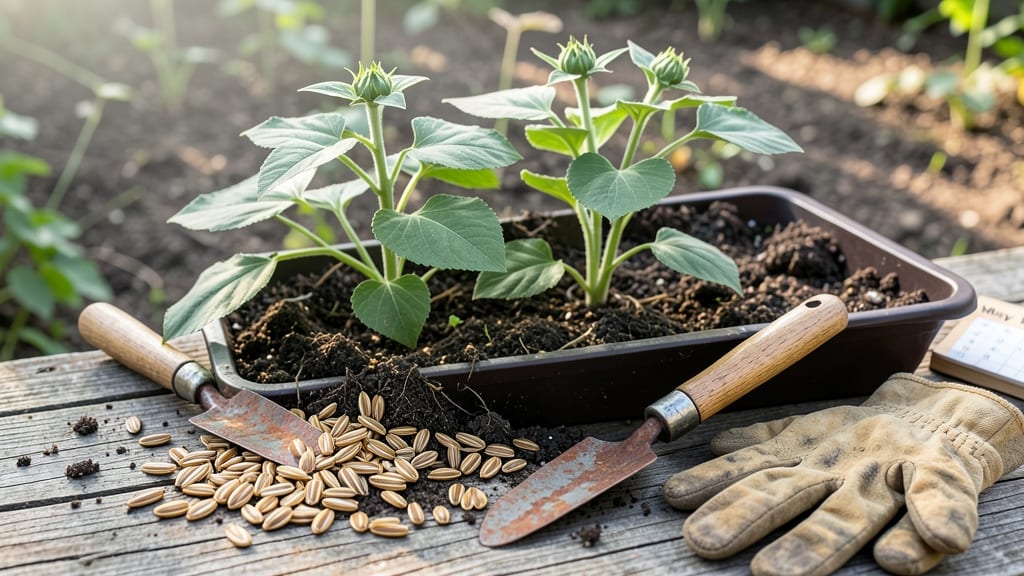
Planting sunflower seeds in Indiana at the wrong time can leave you staring at a garden full of brown stems instead of towering 🌻 giants—because these bright beauties need warmth to thrive.
The key window runs from mid-April to early June, right after the last frost (usually around April 15), but even then, soil temperature matters more than the calendar.
Indiana’s USDA Zone 6 climate means you’ve got about 165 frost-free days to work with, and sunflowers need every one of them. While most gardeners focus on frost dates, the real magic happens when soil warms to at least 50°F—that’s when seeds sprout reliably.
Northern Indiana’s cooler pockets might need a slightly later start, while southern areas can push things up a bit.
Here’s the game-changer: sunflowers are annuals, so they’ll bolt if planted too early, but they’ll also flop if the ground stays cold.
I’ll walk you through the exact timing, soil prep, and even how to adjust for Indiana’s unpredictable springs so you can grow sunflowers that reach their full 14-foot potential.
Ready to turn your garden into a sunflower spectacle? Let’s dive into the frost-free timeline that’ll have your seeds sprouting strong—and your neighbors asking for tips.
Indiana sunflower planting calendar: exact dates by USDA Zone 6 frost timeline
Indiana’s USDA Zone 6 climate creates the perfect conditions for sunflowers—if you time your planting right. The average last frost date across most of the state falls between April 15 and May 1, but this can shift by weeks depending on your specific location.
Northern Indiana (like Lake County) often waits until mid-May, while southern Indiana (like Jeffersonville) can start as early as late April. These variations mean your frost-free window could be a month apart from your neighbor’s garden!
For sunflowers, soil temperature matters just as much as air temperature. Seeds won’t germinate reliably until the soil reaches a consistent 50°F or warmer.
In Indiana, this typically aligns with late April to early May, but you can speed things up by using black plastic mulch or planting in raised beds. If you’re impatient, start seeds indoors 4-6 weeks before your target outdoor date—just be ready to harden off seedlings before transplanting.
Here’s your Indiana sunflower planting calendar, broken down by key stages and regional adjustments:
| Planting Stage | Zone 6 Timeline (Indiana) | Soil Conditions | Key Actions |
|---|---|---|---|
| Indoor Start (Optional) | Early March - Mid-April | Warmth (70°F+) | Sow seeds 1" deep in pots |
| Last Frost Date | April 15 - May 1 (varies) | Soil 50°F+ | Wait 2 weeks after last frost |
| Direct Sowing Window | Mid-April - Early June | Warm, loose soil | Plant 1" deep, 6" apart |
| Transplanting Window | Late April - Mid-June | Soil 55°F+ | Hardened-off seedlings |
| Succession Planting | Every 2-3 weeks until July | Consistent moisture | Extend harvest season |
| Late Planting (Risky) | Up to July 15 | Warm soil only | Choose dwarf varieties |
Direct sowing is the best method for sunflowers in Indiana because they hate transplant shock. If you start seeds indoors, use biodegradable pots to avoid disturbing roots when moving them outside.
For direct sowing, scatter seeds in well-drained soil after the last frost, then thin seedlings to 12-24 inches apart (depending on variety) once they’re 3-4 inches tall. Pro tip: Mix compost into the soil beforehand to give your sunflowers a nutrient boost for their rapid growth.
Indiana’s microclimates can throw off your planting timeline. Urban areas
5 Critical factors that determine the best sunflower planting time in Indiana
While Indiana’s last frost date (around April 15) sets the general window for planting sunflower seeds, it’s not the only factor. The real secret lies in understanding how soil temperature, moisture levels, and even your garden’s microclimate interact to create the perfect conditions.
For example, northern Indiana’s cooler soils might need a later start than southern areas, even if both regions share the same frost dates.
Sunflowers are annuals that bolt (flower prematurely) if planted too early in cold soil, but they’ll also struggle if the ground stays too wet. The ideal planting window balances warm soil (at least 50°F) with consistent moisture—something Indiana’s unpredictable springs can make tricky.
Let’s break down the five factors that’ll help you pinpoint the best time to plant for towering, healthy sunflowers.
🌱 Numbered Highlights: Critical Sunflower Planting Factors in Indiana
- 🌡️ Soil Temperature: Wait until soil reaches 50°F+ (use a soil thermometer). Northern Indiana may need to wait until mid-May for reliable germination.
- 💧 Moisture Levels: Plant when soil is moist but not soggy. Overly wet soil can cause rot, while dry soil delays sprouting.
- 📏 Seed Depth: Sow seeds 1–2 inches deep, 6 inches apart. Deeper planting risks poor emergence in cool soil.
- 🏡 Microclimates: Urban areas (like Indianapolis) warm faster than rural farms. Test soil in your specific spot—city gardens may be ready 2 weeks earlier.
- 🌿 Companion Plants: Pair sunflowers with bush beans or marigolds to improve soil health and deter pests. Avoid planting near potatoes, which compete for nutrients.
Indiana’s microclimates play a huge role in timing. Urban gardens in cities like Indianapolis or Fort Wayne often warm up faster than rural areas due to the heat island effect.
If you’re in a city, you might be able to plant as early as late April, while rural spots near Lake Michigan could need to wait until mid-May. Always check your specific soil temperature—it’s the most reliable indicator.
Don’t overlook companion planting as a timing hack. Planting sunflowers near bush beans or marigolds not only improves soil fertility but also helps regulate moisture. The beans fix nitrogen, while marigolds deter pests—both of which can give your sunflowers a head start.
Avoid planting near potatoes, though, as they compete for the same nutrients and can stunt growth.
One of the biggest mistakes I see is planting sunflower seeds too shallow. While they’re large seeds, burying them just 1–2 inches deep ensures consistent germination. Shallow planting in cool soil can leave seeds exposed to drying winds, while planting too deep (over 2 inches) can delay sprouting.
Use a ruler to mark depth—it’s a small effort that pays off in stronger stems.
Finally, keep an eye on moisture levels after planting. Sunflowers need consistent moisture during germination but can’t handle soggy soil. Water deeply once a week (1–2 gallons per plant) unless you’ve had heavy rain. Mulching with straw helps retain moisture and keeps soil temperatures stable—critical for Indiana’s variable springs.
With these factors in mind, you’ll be well on your way to growing sunflowers that reach their full 14-foot potential.