
Flowers
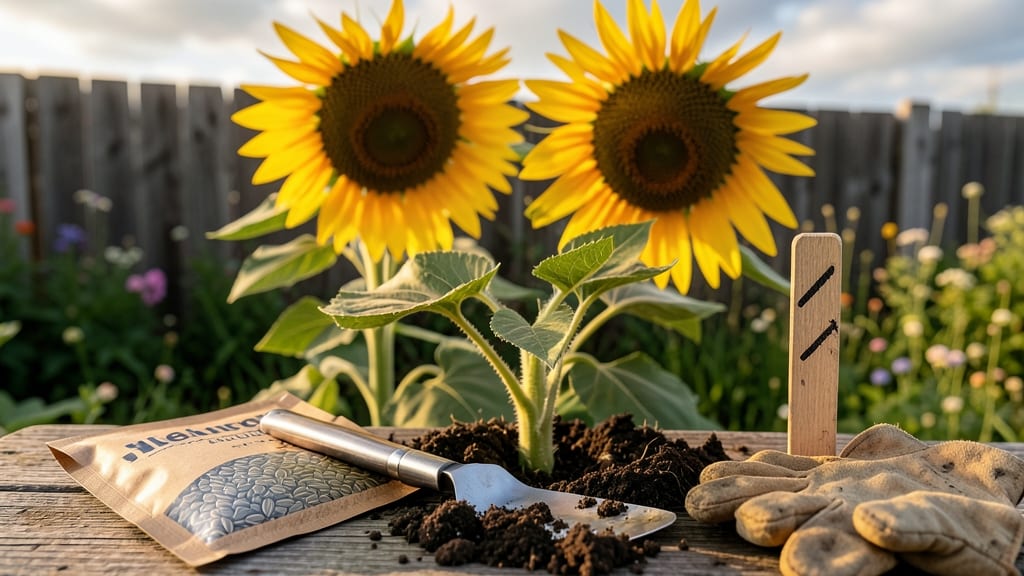
Planting sunflowers in Indiana at the wrong time means missing out on those towering 🌻 blooms that brighten summer gardens. The key to success lies in timing—specifically, waiting until after the last frost in Zone 6a, which typically lands in mid-April.
If you plant too early, a late frost can wipe out tender seedlings before they even sprout. But get it right, and you’ll enjoy sunflowers reaching their full height by July, turning your garden into a cheerful gold-and-green masterpiece.
The window for planting is narrow but doable—mid-April to mid-May is your best bet.
Beyond the calendar, soil temperature matters just as much. Sunflower seeds need the ground to warm up to at least 50°F before they’ll germinate properly. That’s why waiting until after the last frost isn’t just a rule—it’s a necessity for strong, healthy starts.
I’ll walk you through exactly how to time your planting, from checking soil temps to spacing seeds for maximum growth. Let’s make sure your sunflowers get the perfect start in Indiana’s climate.
Indiana sunflower planting deadlines by month: avoid frost & maximize blooms
Timing your sunflower planting in Indiana’s Zone 5-6 is all about beating the last frost while ensuring soil warmth for germination. The average last frost date in most of Indiana falls around April 15, but this can vary by 5-7 days depending on your exact location.
Planting too early risks frost damage, while waiting too late may delay blooms until fall.
For tall varieties (6+ feet), aim to plant between mid-April and mid-May when soil temperatures consistently reach 50°F+. Dwarf varieties (3-4 feet) have slightly more flexibility and can handle cooler soil, but still benefit from waiting until after the last frost.
Fall planting is possible too—try sowing seeds in late August to early September for late-summer blooms.
Here’s the exact breakdown of your Indiana sunflower planting deadlines by month, including soil temperature thresholds and frost risks:
| Month | Planting Window | Soil Temp | Frost Risk | Best For |
|---|---|---|---|---|
| March | Late March (southern IN only) | 50°F+ (with row covers) | High (late frosts likely) | Dwarf varieties only |
| April | Mid-April to end of month | 55°F+ (ideal for germination) | Moderate (last frost risk) | All varieties (best timing) |
| May | Early to mid-May | 60°F+ (optimal growth) | Low (frost-free) | Tall varieties (max height) |
| June | Not recommended (late blooms) | N/A | N/A | Fall planting prep |
| August | Late August to early Sept | 60°F+ (warm soil) | None (frost-free) | Late-season blooms |
If you’re planting in southern Indiana (Zone 6b), you can push your window slightly earlier—start as early as late March if you use row covers to protect seedlings from late frosts. For northern Indiana (Zone 5a), wait until early May to ensure soil warmth and avoid frost damage.
For direct sowing, scatter seeds 1 inch deep and 6 inches apart in rows 2 feet apart. Thin seedlings to 12-24 inches apart once they reach 4-6 inches tall. This spacing prevents overcrowding and ensures each plant gets enough sunlight and nutrients to reach its full height.
Pro tip: Use a soil thermometer to confirm temperatures before planting. Sunflower seeds won’t germinate well below 50°F, even if the air feels warm. If your soil is still cool in April, consider starting seeds indoors under grow lights and transplanting after the last frost.
For fall planting, focus on late August to early September sowings. These sunflowers will bloom in late summer or early fall, adding color just before cooler weather sets in. Choose fast-maturing varieties (like ‘Autumn Beauty’ or ‘Moulin Rouge’) for the best results.
Remember, sunflowers are fast growers—some varieties reach 10 feet tall in just 80 days. The earlier you plant within your frost-free window, the taller and more robust your sunflowers will be by summer’s peak. Don’t miss your chance to turn your garden into a golden masterpiece! 🌻
5 Critical factors that determine sunflower success in Indiana gardens
Timing your sunflower planting is just the first step—Indiana’s climate demands extra attention to soil preparation, sunlight exposure, and seedling care to ensure those towering blooms reach their full potential.
I’ve learned that even the hardiest sunflower varieties struggle without the right foundation, especially in our Zone 5-6 region where late frosts and heavy clay soil can sabotage growth.
Let’s break down the five non-negotiable factors that separate thriving sunflower patches from disappointing ones. Whether you’re growing dwarf varieties for cut flowers or giant sunflowers as a backyard centerpiece, these steps will make all the difference in your Indiana garden.
- 🌱 Soil pH (6.0–7.0): Test your soil—Indiana’s clay-heavy ground often needs compost or lime to reach the ideal range. Sunflowers hate soggy roots, so amend with sand or perlite if drainage is poor.
- ☀️ 6+ Hours of Sun Daily: No shortcuts here—sunflowers wilting in shade is a common mistake. Choose the sunniest spot in your yard, even if it means sacrificing a less vibrant perennial bed.
- 📏 Spacing (12–24 inches apart): Crowded sunflowers compete for nutrients and light. Dwarf varieties need 12 inches, while giant types should have 24 inches to avoid flopping stems.
- 🌡️ Hardening Off Seedlings: If starting indoors, acclimate for 7–10 days before transplanting. Harden by gradually exposing seedlings to outdoor temps and wind to prevent shock.
- 🛠️ Support for Tall Varieties: Indiana’s winds can snap 10-foot stems. Use stakes or cages for varieties over 6 feet tall, especially if planting near fences or driveways.
One of the biggest mistakes I see in Indiana gardens is ignoring soil pH. Our native clay soil often tests too acidic (below 6.0), which stunts root growth. I always recommend a simple soil test kit (available at garden centers) to check before planting.
If your soil is too acidic, mix in pelletized lime—it’s a game-changer for sunflower health.
Sunlight is another dealbreaker. Sunflowers won’t bloom without full sun, and Indiana’s partial shade spots (like under trees) are a recipe for disappointment. If your yard lacks a sunny patch, consider container gardening on a patio or deck where you can move pots to follow the sun.
Proper spacing is often overlooked, but it’s crucial for airflow and disease prevention. I’ve seen sunflower patches where seeds were planted too closely, leading to powdery mildew—a fungal issue that thrives in humid Indiana summers.
Thin seedlings early to avoid this problem, and always follow the variety’s spacing guidelines on the seed packet.
For those who start sunflowers indoors, hardening off is a must. I’ve had seedlings collapse after transplanting because they weren’t ready for Indiana’s unpredictable spring weather. To harden off, place seedlings outside in mild conditions (50°F+) for a few hours daily, gradually increasing exposure over a week.
Finally, don’t underestimate the power of wind support. Indiana’s spring and summer breezes can topple even the sturdiest sunflowers. I recommend bamboo stakes or spiral supports for varieties over 6 feet tall. Plant stakes at the same time as seeds so roots grow around them naturally.