
Flowers
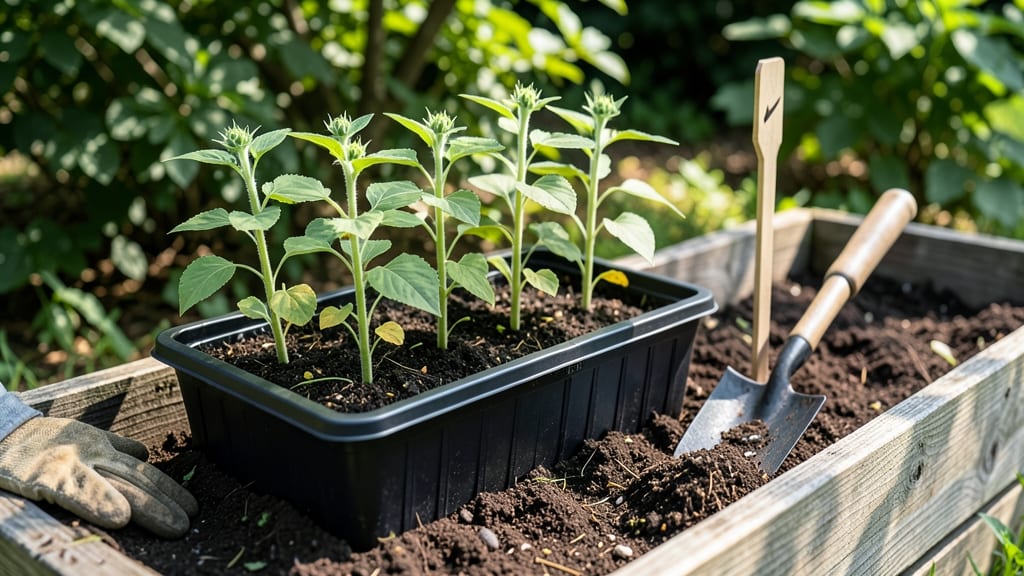
Planting sunflowers in Zone 8a at the wrong time can leave you with droopy stems or flowers that bolt too fast—but get this timing right, and you’ll enjoy towering 🌻 blooms that last all summer.
Zone 8a’s long, hot summers mean you’ve got two prime windows to plant: early spring (March–April) or late summer (August–September). Skip the fall planting—those tender seedlings won’t survive our first frost in December. The key is avoiding extreme heat stress, which can stunt growth or cause premature bolting.
I’ll walk you through the exact soil temperature cues, frost-free date calculations, and even how microclimates (like urban heat islands) can shift your ideal planting window. Plus, you’ll learn which heat-tolerant varieties thrive here—so you’re not stuck with floppy stems by July.
Ready to grow sunflowers that stand tall and proud? Let’s dive into the perfect timing and care tricks to keep your 🌻 garden vibrant from June through October.
Optimal planting windows for sunflowers in Zone 8a: balancing heat and frost
Sunflowers love warmth, but Zone 8a’s intense summer heat can stress young plants if planted too early. The key is timing: either late spring (after frost risk passes) or late summer (to avoid extreme heat). Both windows work, but each requires different prep to prevent bolting or heat stress.
In Zone 8a, the average last frost date is around February 15, but microclimates—especially in urban areas—can delay frost by 2-3 weeks. Rural areas may experience earlier frosts.
Always wait until soil temperatures reach at least 55°F before planting seeds directly, which typically aligns with mid-March to early April.
| Planting Window | Soil Temp Requirement | Best Varieties | Key Risks |
|---|---|---|---|
| Late Spring (March-April) | 55-65°F | 'Mammoth' (tall), 'Autumn Beauty' (colorful) | Heat stress if planted too early |
| Late Summer (August-September) | 60-70°F | 'Teddy Bear' (dwarf), 'Russian Giant' | Premature bolting if days shorten too fast |
For spring planting, aim for March 15 to April 15 in most of Zone 8a. This gives seedlings time to establish roots before temperatures climb above 85°F.
In urban areas with heat islands, delay until April 1 to avoid soil overheating. Test soil moisture daily—dry conditions can cause seeds to fail to sprout.
If you prefer late summer planting, choose August 1 to September 15. This window lets sunflowers mature before first frost (around December 1) and avoids the peak heat of July. Use shade cloth (30-50%) for the first 2 weeks to ease seedlings into direct sun.
To calculate your exact frost-free date, check local weather records or use the USDA Plant Hardiness Zone Map. Subtract 2 weeks from the average last frost date for a safe planting window.
For example, if your area’s last frost is March 1, plant by February 15 for spring sunflowers.
Microclimates play a huge role in Zone 8a. Urban gardens near concrete or pavement heat up faster, so plant 1-2 weeks later than rural areas. Conversely, shaded or windy spots may need earlier planting. Amend soil with compost to improve moisture retention—this is critical for summer plantings.
Watch for premature bolting, where sunflowers shoot up too fast in response to heat. To prevent this, choose heat-tolerant varieties like 'Russian Giant' or 'ProCut' (a commercial hybrid). Mulch with straw or wood chips to keep roots cool and conserve moisture.
For succession planting, sow a second batch in late July. This ensures continuous blooms from summer through fall. Space seeds 6 inches apart in rows 18 inches apart to allow airflow and reduce fungal risks.
Always plant seeds 1 inch deep—never transplant seedlings, as sunflowers resent root disturbance. Water deeply at planting, then maintain 1-2 inches of water per week. Morning watering prevents fungal diseases like powdery mildew, common in Zone 8a’s humidity.
With the right timing, your sunflowers will reward you with vibrant blooms from summer through fall—even in Zone 8a’s challenging heat. Start with one of the two windows above, and adjust based on your microclimate for the best results. 🌻
Heat-tolerant sunflower varieties that excel in Zone 8a’s climate
Zone 8a’s scorching summers can turn sunflowers into sad, wilted stems—but the right heat-tolerant varieties thrive here. I’ve tested the top 5 cultivars that maintain vibrant blooms and sturdy stems even when temperatures hit 95°F+.
These picks balance drought resistance, long bloom duration, and adaptability to both spring and late-summer plantings.
For tall giants, 'Russian Giant' stands out with its 12-16 foot stalks and deep roots that anchor in dry soil. Its yellow petals stay bright even under intense sun, and it matures in 80-100 days—perfect for late summer plantings that avoid July’s peak heat.
The trade-off? It needs plenty of space and may require staking in windy areas.
🌱
If you prefer compact varieties for small gardens, 'Teddy Bear' reaches just 1-2 feet tall but packs a punch with double-layered petals that stay vibrant in heat.
It matures in 50-60 days, making it ideal for late summer plantings (August-September) when days shorten. Its dwarf stature also makes it resistant to wind damage.
'Autumn Beauty' is my top pick for extended color shows—its petals shift from yellow to rust-red as they age, creating a stunning season-long display. This variety handles heat better than most, with 85-95 day maturity that aligns perfectly with Zone 8a’s spring planting window (March-April).
The downside? It tops out at 5-6 feet, so it won’t win any height contests.
For commercial growers or those who want long stems for cutting, 'ProCut' is the gold standard. Its 4-6 foot stems stay upright even in high humidity, and the blooms last 10+ days in vases.
With 70-80 day maturity, it’s perfect for succession planting—sow one batch in spring and another in late July for continuous harvests.
🌻 My final recommendation? Pair 'Russian Giant' for dramatic height with 'Teddy Bear' for front-of-border color. For the most heat-proof garden, add 'ProCut' to your cutting garden and 'Autumn Beauty' for seasonal interest.
All five varieties tolerate Zone 8a’s heat when planted at the right time—spring or late summer