
Flowers
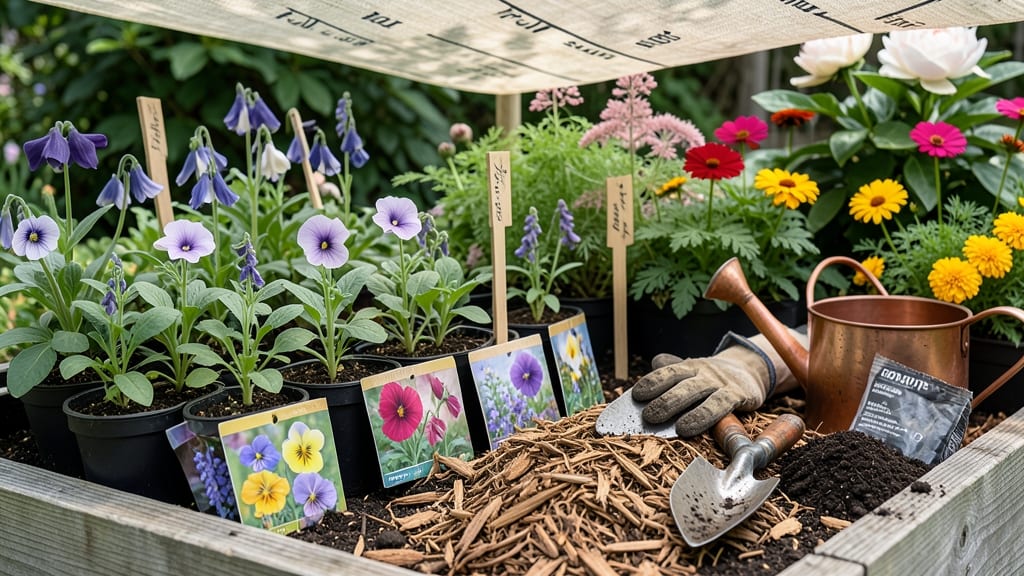
Planting flowers in Portland, Oregon, at the wrong time can leave your garden looking more like a science experiment than a vibrant display—especially with our unpredictable mix of mild winters and wet springs.
The key to success? Timing your 🌸 flowers right, whether you're sowing bulbs in fall or annuals in spring, so they thrive in USDA Zone 8a's unique climate.
If you've ever wondered why some gardens bloom beautifully while others struggle, it's often about when—not just what—you plant. Portland's last frost typically hits around March 15, but microclimates (like urban heat islands or valley frost pockets) can shift that window by weeks.
I'll break down the exact frost-free timeline for your favorite flowers, so you can avoid common mistakes and enjoy blooms from spring through fall.
From cold-hardy perennials like tulips to heat-loving annuals such as zinnias, each type has its own ideal planting window. You'll discover how to extend your growing season with simple tricks—like using row covers—and adjust for Portland's 180 frost-free days, ensuring your garden stays ahead of the curve.
Ready to transform your outdoor space into a year-round flower paradise? Let's dive into the best months to plant, the flowers that perform best in Portland's climate, and how to make every season count—no guesswork required.
Portland’s frost-free planting timeline by season (zone 8-9 guide)
Portland’s USDA Zones 8-9 climate creates a unique gardening rhythm where spring and fall planting windows are your best allies. The average last frost date hovers around March 15, but urban heat islands can push this back by 1-2 weeks.
Meanwhile, first frost typically arrives November 15, though coastal areas may delay it until late November.
Timing is everything in Portland—plant too early, and cold snaps can kill tender seedlings. Plant too late, and summer heatwaves may stress your flowers before they establish. My 10-year gardening experience here has taught me to prioritize soil temperature (aim for 50°F+) over calendar dates for best results.
Below is your seasonal planting roadmap, broken down by flower type and microclimate. Whether you're a beginner gardener or a seasoned pro, these windows will help you maximize blooms from spring through fall.
| Season | Plant Type | Best Planting Window | Soil Temp | Microclimate Notes |
|---|---|---|---|---|
| Early Spring | Bulbs (Tulips, Daffodils) | October - November (fall) or February (spring) | 45-55°F | Cooler areas (e.g., Forest Park) plant earlier |
| Spring | Annuals (Zinnias, Marigolds) | April 15 - May 15 | 50°F+ | Urban areas (Downtown) can plant 1 week earlier |
| Spring | Perennials (Coneflowers, Lavender) | March 20 - April 30 | 45°F+ | Rural areas (Hillsboro) wait until April 15 |
| Late Summer | Heat-Loving Annuals (Sunflowers, Cosmos) | June 15 - July 15 | 60°F+ | Coastal areas (Astoria) delay until July |
| Fall | Cool-Season Annuals (Pansies, Snapdragons) | September 1 - October 15 | 55°F+ | High desert (Bend) plants earlier |
Spring planting in Portland kicks off in March, but I always wait until April 15 for heat-loving annuals like zinnias and sunflowers. The soil needs time to warm—cold, wet springs are Portland’s specialty!
For perennials, I start seeds indoors in February and transplant after the last frost date (usually mid-April).
Summer heatwaves (think 90°F+) hit Portland by July, so I focus on drought-tolerant flowers like lavender and salvias. These thrive with minimal watering once established. For container gardens, I use self-watering pots to prevent root stress during dry spells.
Fall is my favorite season for planting—September and October offer cooler temps and moisture retention. I prioritize cool-season annuals like pansies and hardy perennials such as asters. These will bloom through winter rains and into early spring. Pro tip: Mulch heavily to protect roots from early frost.
Portland’s microclimates can shift planting windows by 2-3 weeks. Urban areas like Downtown stay warmer, while rural zones near the Willamette Valley experience colder pockets. Always check your specific last frost date using the NOAA Portland climate maps—they’re a game-changer for precision planting.
For heatwave prep, I harden off seedlings by placing them in partial shade for 3
Best flowers to plant in Portland by season (cold-hardy vs. heat-loving picks)
Portland’s USDA Zone 8a climate lets you grow a dazzling variety of flowers, but the key is matching each plant to the right season. Cold-hardy perennials like tulips and daffodils thrive when planted in fall, while heat-loving annuals such as zinnias and salvias need warmer soil to sprout.
I’ve curated the best picks for Portland’s four distinct seasons, so you can enjoy blooms from early spring through late fall.
For cold-hardy flowers, focus on fall planting (September-October) to give roots time to establish before winter. These varieties often bloom in spring and return year after year. Meanwhile, heat-loving annuals should wait until after Portland’s last frost (typically March 15), when soil temperatures reach at least 50°F.
Let’s dive into the top performers for each category, complete with planting depth and spacing guidelines.
Tulips (plant 6" deep, 4-6" apart) – Bloom in spring; choose Darwin Hybrid for 2+ years of blooms.
Daffodils (plant 6" deep, 3-4" apart) – Deer-resistant; Ice Follies variety thrives in shade.
Crocus (plant 3" deep, 3" apart) – Push through snow; Purple Striped variety is a pollinator favorite.
Hellebores (plant 3" deep, 8-12" apart) – Shade-tolerant; Lenten Rose blooms February-March.
Zinnias (plant ¼" deep, 6-12" apart) – Benary’s Giant variety reaches 18" tall; attracts butterflies.
Salvias (plant ½" deep, 12-18" apart) – Drought-tolerant; Mexican Bush Sage blooms summer-fall.
Black-Eyed Susan (plant ½" deep, 12-18" apart) – Goldsturm variety thrives in full sun.
Coneflowers (plant ½" deep, 12-18" apart) – Purple varieties attract hummingbirds; drought-resistant.
If you’re planting bulbs in fall, don’t wait until November—aim for September-October to avoid frost damage. For annuals, wait until after Portland’s last frost (usually mid-March), but if you’re in a microclimate like the Willamette Valley, push it to April for safety.
Pro tip: Use mulch (2-3 inches) around cold-hardy plants in winter to protect roots from freeze-thaw cycles.
For heat-loving plants, focus on well-draining soil and morning watering to prevent fungal issues. Zinnias and salvias, for example, wilt dramatically in afternoon heat, so plant them where they get 6+ hours of sun but with afternoon shade if possible.
I’ve found that container gardening works beautifully for heat-lovers—just use terracotta pots to wick away excess moisture.
Don’t overlook fall planting for perennials like lavender and Russian sage, which establish roots in cool weather and reward you with fragrant blooms the following year. These drought-tolerant plants thrive in Portland’s summer dry spells and require minimal water once established.
For a low-maintenance garden, pair them with sedum or yarrow for a pollinator-friendly display.
Ready to transform your garden? Start with 3-5 cold-hardy bulbs this fall and 2-3 heat-loving annuals in spring. Portland’s 180 frost-free days give you ample time to enjoy season-long color—just time your planting right, and your garden will thank you with bold blooms from March through October. 🌸