
Flowers
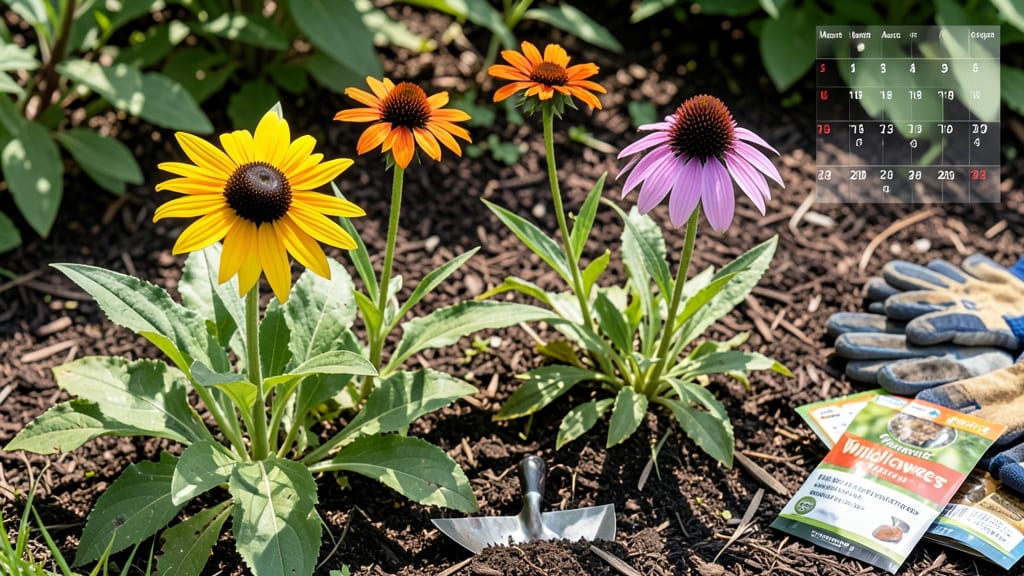
Planting flowers in Tennessee at the wrong time can mean the difference between a garden bursting with color and one struggling against frost or wilting heat.
With USDA zones 6b-7a across the state, timing matters more than you might think—spring blooms like azaleas need to go in the ground before the last frost, while fall favorites like chrysanthemums thrive when planted after the summer heat subsides.
I’ve learned the hard way that rushing or delaying can leave your 🌱 flowers vulnerable, whether it’s from late spring freezes in the mountains or early fall chills in the valleys.
The key is knowing your local frost dates and matching them to the right plants—annuals like impatiens need warmer soil, while perennials like daylilies can handle a little chill.
In this guide, I’ll break down the exact windows for planting in Tennessee, from the humid South to the cooler Appalachian highlands, so you can avoid common mistakes and enjoy a garden that blooms all season long. Let’s get your flowers off to the best possible start.
Whether you’re a first-time gardener or a seasoned pro, these zone-specific tips will help you plant with confidence—no more guessing games or wasted effort. Ready to transform your yard into a vibrant showstopper? Let’s dive in.
Tennessee planting zones: key dates by region for frost-free flower success
Tennessee spans USDA zones 6b through 8a, creating a patchwork of microclimates where last-frost dates can vary by weeks.
In the mountain regions (Zone 6b), like the Great Smoky Mountains, gardeners often wait until mid-April to plant frost-sensitive flowers, while West Tennessee (Zone 8a), near Memphis, can safely plant annuals as early as late February.
These differences mean your neighbor’s thriving petunias might still be under wraps in your garden!
Understanding these zones isn’t just about avoiding frost—it’s about matching annuals (like marigolds) to their ideal planting windows and giving perennials (such as daylilies) enough time to establish before winter.
For example, tender annuals planted too early in Zone 7 will bolt or rot, while hardy perennials planted too late may struggle to root before the first frost. Let’s break down the critical dates by zone so you can plan with confidence.
Here’s your frost-free planting timeline for Tennessee, including last-frost dates (when to plant warm-season flowers) and first-frost dates (when to protect tender plants). Use this as your guide to avoid the heartbreak of frost-nipped blooms or wilting heat stress.
If you’re in Zone 6b, don’t rush to plant impatiens or zinnias in March—even a late frost can turn your vibrant blooms into crispy brown sticks. Instead, start cold-hardy annuals like pansies or snapdragons in early spring (February–March) for early color.
These varieties tolerate light frosts and will reward you with weeks of blooms before the heat sets in.
For Zone 7a and 7b, where Nashville and Knoxville reside, you’ve got a longer growing season but still need to time it right. Warm-season flowers, like petunias and geraniums, should wait until after April 15 to avoid frost damage.
Pro tip: Use row covers for a few weeks after planting to give them a head start. Meanwhile, perennials like black-eyed Susans can go in the ground as early as March, giving them 6–8 weeks to establish roots before summer’s intensity.
In Zone 8a, where Memphis basks in milder winters, you can push the envelope with tropical flowers. Begonias and hibiscus thrive when planted in February, but even here, a late-winter frost can sneak in.
Monitor your local frost alerts (available from the National Weather Service) and have frost cloth on hand for heat-loving annuals.
Remember, these dates are averages, not rules set in stone. Microclimates—like south-facing slopes or low-lying areas—can shift frost dates by 1–2 weeks. To play it safe, use the 10-day rule: Wait until 10 days after your average last frost to plant tender annuals.
For perennials, aim to plant 4–6 weeks before the first expected frost in fall to ensure they’ve rooted deeply.
One more pro tip:
Best flowers to plant in Tennessee by season: timing tips for maximum blooms
Tennessee’s spring and fall seasons are prime times for planting flowers, but the exact timing depends on your USDA zone—whether you’re in the cooler Appalachian highlands (Zone 6b) or the warmer Middle Tennessee valleys (Zone 7a).
I’ve found that spring-blooming bulbs like tulips need to go in the ground by late October to early November for Zone 6, while summer annuals like impatiens can’t tolerate frost and must wait until after the last frost date, typically mid-April in most areas.
For perennial flowers, such as daylilies and black-eyed Susans, early spring or fall planting works best. These hardy plants establish roots better in cooler weather and thrive with well-draining soil and full sun exposure.
In contrast, tender annuals like petunias need to wait until the soil warms up—usually after Memorial Day—to avoid root rot from cold, damp soil.
Here’s what you need to know to time your plantings perfectly for maximum blooms and minimal stress on your flowers:
🌱 Numbered Highlights: When to Plant Flowers in Tennessee
- 🌷 Spring Bulbs (Tulips, Daffodils): Plant in October-November for Zone 6; November-December for Zone 7. Choose well-draining spots to prevent rot.
- 🌼 Annuals (Impatiens, Petunias): Wait until after last frost (mid-April) and soil temps reach 60°F+. Use mulch to retain moisture.
- 🌺 Perennials (Daylilies, Coneflowers): Plant in early spring (March-April) or fall (September-October). Amend soil with compost for nutrients.
- 🌻 Fall Flowers (Chrysanthemums, Asters): Transplant in late summer (August-September)
- 🌿 Native Wildflowers (Black-Eyed Susans): Sow seeds in early spring or fall. Low-maintenance and drought-tolerant once established.
One of my biggest lessons came from planting tulip bulbs too late in Zone 7. They didn’t bloom the following spring because the roots didn’t have enough time to establish. Always check your local frost dates—the Tennessee State University Extension provides a great frost calendar for reference.
For example, Nashville’s last frost is around April 15, while Chattanooga’s can linger until May 1.
Soil preparation is just as critical as timing. Before planting, test your soil’s pH level—most flowers prefer a slightly acidic to neutral range (6.0-7.0). Amend clay-heavy soil with organic matter like compost or peat moss to improve drainage.
For sun-loving flowers, ensure they get at least 6 hours of direct sunlight daily. Shade-tolerant varieties like impatiens can thrive in partial shade, but they’ll still need bright, indirect light.
Don’t overlook the importance of mulching after planting. A 2-3 inch layer of mulch helps retain moisture, regulate soil temperature, and suppress weeds. For spring-planted flowers, mulch after the soil warms up; for fall plantings, apply mulch before the first frost to protect roots.
I’ve also found that watering deeply once a week (rather than daily shallow watering) encourages stronger root growth in Tennessee’s humid climate.
With the right timing and care, your Tennessee garden can bloom from early spring through late fall. Start with cool-season flowers like pansies in September, transition to spring bulbs in October, and finish with heat-loving annuals in May. Happy planting—your future blooms will thank you! 🌷