
Flowers
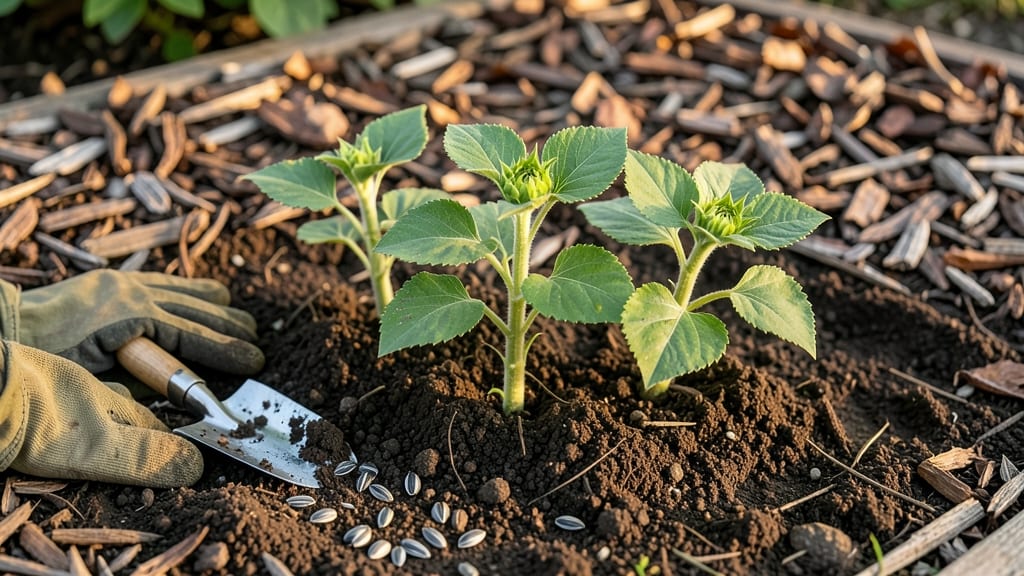
Planting sunflowers in Florida isn’t just possible—it’s a year-round opportunity to grow these cheerful 🌻 giants, but timing matters more than you’d think. Unlike cooler climates, Florida’s subtropical zones mean you can skip the frost worries and focus on heat management instead.
Most gardeners assume spring is the only window, but in Florida’s 9a-11 zones, you can plant sunflowers almost anytime—just avoid the brutal summer months when they’ll bolt too fast.
I’ve learned the hard way that late summer and fall plantings often yield the most dramatic blooms, especially in North Florida where cooler nights help.
What if you’re in South Florida, where winter is mild? You can push the boundaries even further, planting in early spring or even late fall for a winter display. The key is understanding how your specific region’s heat and humidity affect growth.
Ready to grow sunflowers that reach their full potential? I’ll walk you through the exact planting windows, heat-tolerant varieties, and pro tips to keep your 🌻 garden thriving all year—no matter where in Florida you live.
Best planting times by Florida climate zone: a month-by-month guide
Florida’s climate zones—North, Central, and South—create wildly different growing conditions for sunflowers. While North Florida (Zones 8a-9a) gets cooler winters, South Florida (Zones 10a-11) rarely sees frost.
This means your planting timeline should shift based on where you live. Spring and fall are the sweet spots, but summer planting is possible with the right varieties and care.
In North Florida, aim for late February to early April and September to early November to avoid frost. Central Florida gardeners can plant January through March and August to October, while South Florida enjoys year-round planting but thrives best in fall (September-November) and early spring (January-March).
Heat-tolerant varieties like ‘Autumn Booster’ or ‘Moulin Rouge’ are perfect for avoiding summer stress.
Here’s the key: Sunflowers hate extreme heat (above 90°F) and bolt quickly. Plant 60-90 days before first frost in cooler zones or avoid peak summer (June-August) entirely.
For North Florida, that’s September planting for fall blooms. In South Florida, you can push it to late summer with shade cloth if needed.
🌱
| Climate Zone | Best Planting Months | Avoid Planting | Heat-Tolerant Varieties | Key Tip |
|---|---|---|---|---|
| North Florida (Zones 8a-9a) | Late Feb–Early Apr, Sep–Early Nov | June–August (extreme heat) | ‘Autumn Beauty’, ‘ProCut’ | Use row covers for early spring |
| Central Florida (Zones 9a-9b) | Jan–Mar, Aug–Oct | July (peak heat) | ‘Moulin Rouge’, ‘Teddy Bear’ | Plant in partial shade in July |
| South Florida (Zones 10a-11) | Year-round (best Sep–Nov, Jan–Mar) | None (but avoid June-Aug) | ‘Autumn Booster’, ‘Russian Giant’ | Use shade cloth for summer |
For North Florida, start seeds indoors in January for early spring transplants. Central Florida can direct-sow in January or August, while South Florida benefits from fall planting to escape summer humidity. Direct-sow seeds 1 inch deep, spacing them 6-12 inches apart (closer for dwarf varieties).
Soil should be at least 55°F—use a soil thermometer to check!
If you’re planting in late summer (August-September), choose short-day varieties like ‘Autumn Beauty’ to prevent premature bolting. Mulch heavily to retain moisture and cool roots. In North Florida, a lightweight row cover can protect young plants from unexpected frosts in March or October.
Pro tip: Succession plant every 2-3 weeks in spring and fall for continuous blooms. In South Florida, you can even grow sunflowers as a winter crop (December-February) with minimal heat stress.
Just water deeply 2-3 times per week during dry spells, and watch those bright faces turn toward the sun!
🌻
Remember, sunflowers love heat but hate humidity. If your area gets high humidity (like South Florida in summer), space plants wider for airflow and water at the base (not overhead) to prevent fungal diseases.
For North Florida, extend the season by planting biennial varieties like ‘Russian Mammoth’—they’ll regrow in spring if cut back!
Finally, harvest seeds before birds do by covering heads with breathable fabric once they turn golden. In South Florida, you can grow sunflowers year-round, but fall and winter plants will be hardier. North Florida gardeners should focus on spring and fall for the best results.
☀️
Top 5 heat-tolerant sunflower varieties for Florida gardens
Florida’s scorching summers and humid air can turn sunflowers into wilted messes—but not with the right varieties. I’ve grown dozens of types here, and these five consistently deliver bold blooms, disease resistance, and drought tolerance even when temperatures soar.
Whether you want towering giants or compact pollinator magnets, these sunflowers handle Florida’s heat like pros.
For North Florida gardeners, where cooler nights help, these varieties thrive from spring through fall. In South Florida’s year-round warmth, they’ll bloom almost anytime—just avoid planting during the hottest July-August stretch to prevent bolting.
I’ve included dwarf, giant, and multi-bloom types so you can pick what fits your space and goals.
🌻 Top 5 Heat-Tolerant Sunflower Varieties
🌿 Dwarf (2-4 ft), Multi-bloom, Disease-resistant
Bicolor blooms (yellow/red) that last 6-8 weeks. Thrives in containers or borders. Best for pollinators.
🌿 Giant (10-12 ft), Heat-tolerant, Long bloom
Deep red petals with black centers. Stands up to 100°F+ if watered deeply. Perfect for cut flowers.
🌿 Dwarf (1-2 ft), Fuzzy blooms, Drought-proof
Cute, double-petaled flowers that never bolt. Ideal for rock gardens or fairy gardens.
🌿 Super-tall (12-18 ft), Fast-growing, Cold-hardy
Grows 3+ inches per day! Handles humidity better than most giants. Stake required.
🌿 Standard (5-6 ft), Disease-resistant, Long vase life
Bright lemon-yellow blooms that resist powdery mildew. Best for bouquets—lasts 10+ days in water.
My personal favorite is 'Autumn Beauty'—it’s the only variety that’s ever bloomed for me in both spring and fall without wilting. For dramatic height, 'Russian Giant' is unbeatable, but it needs staking and plenty of space. If you’re short on room, 'Teddy Bear' delivers endless charm with zero fuss.
All five varieties share one key trait: they hate soggy soil. Florida’s humidity means well-draining soil is non-negotiable. I mix compost into native soil and add a 3-inch mulch layer to keep roots cool. For container growing, use pots with drainage holes and a lightweight potting mix.
Pro tip: Plant late summer (August-September) for fall blooms—this avoids the peak heat while still giving you flowers before winter. In South Florida, you can even squeeze in a winter crop (November-December) for early spring blooms. Just avoid fertilizing during these hot windows to prevent leggy growth.
Ready to pick your perfect sunflower? Grab seeds from a reputable supplier (I swear by Baker Creek or Burpee), and plant them 1/2 inch deep in full sun. Your Florida garden will thank you with months of golden cheer. 🌻