Plants
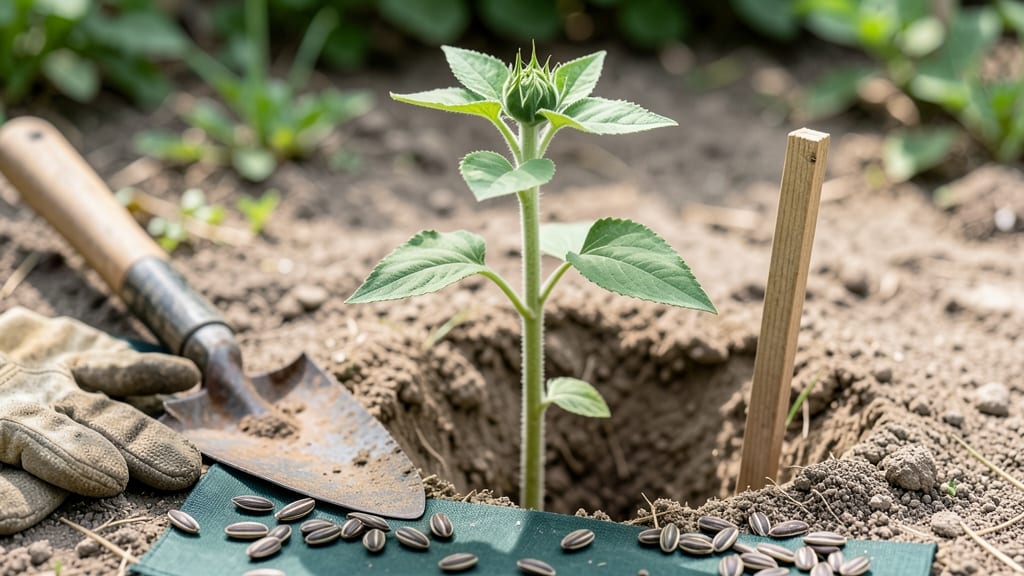
Planting sunflower seeds at the wrong time in California can mean the difference between a 10-foot giant blooming in your garden and a sad, stunted plant struggling to survive.
Whether you're in frost-prone coastal areas or scorching inland valleys, getting the timing right is the key to those cheerful 🌻 faces turning toward the sun.
In coastal regions like the Bay Area, you can start as early as January, taking advantage of milder winters and longer growing seasons.
But inland gardeners in the Central Valley or desert areas need to wait until after the last frost—typically around March—to give those tender seedlings a fighting chance against late cold snaps.
What I’ve learned from growing sunflowers across California’s diverse zones is that patience pays off. A little planning now means bigger blooms, more seeds, and fewer headaches when summer heat rolls in. Let’s break down exactly when to plant for your specific corner of the state.
From frost dates to soil prep and everything in between, you’ll discover how to time your sunflower planting for maximum success, no matter where you garden. Ready to grow those towering beauties? Let’s get started.
California sunflower planting zones: coastal vs inland timing differences
California's diverse climate means your sunflower planting schedule depends heavily on whether you're near the coast or inland. Coastal areas like the San Francisco Bay Area enjoy milder winters, while inland valleys like the Central Valley face hotter summers and earlier frosts.
Understanding these differences ensures your sunflowers thrive from seed to bloom.
In coastal regions, last frost dates often occur in January or February, allowing for early spring planting as soon as soil warms. Meanwhile, inland areas typically wait until March or April to avoid late frosts that can damage young seedlings.
Let's break down the key timing differences so you can plant with confidence.
| Factor | Coastal (e.g., San Francisco Bay Area) | Inland (e.g., Central Valley) |
|---|---|---|
| Last Frost Date | January 1 - February 15 | December 15 - January 31 |
| First Frost Date | April 1 - May 1 | November 15 - December 15 |
| Ideal Planting Window | February - April (early spring) | March - May (late spring) |
| Soil Temperature | 50°F+ by February | 50°F+ by March |
| Summer Heat Risk | Low (cooler summers) | High (100°F+ common) |
| Second Planting Window | July - August (late summer) | June - July (early summer) |
| Key Challenge | Frost damage to late bloomers | Heat stress and drought |
Coastal gardeners can start sunflower seeds indoors as early as January for transplanting in February. The milder climate allows for extended growing seasons, even into fall. In contrast, inland gardeners should wait until March to avoid late spring frosts, which can devastate young plants.
For coastal regions, focus on early spring planting (February-March) and late summer replanting (July-August) to maximize blooms. Inland areas benefit from spring planting (March-April) with heat-tolerant varieties like 'ProCut' or 'Autumn Beauty' to handle summer temperatures.
One key difference is soil preparation timing. Coastal soils often need amending in late winter (January-February) to warm up, while inland soils should be prepped in early spring (March) to prevent premature drying. Always test your soil pH (ideal: 6.0-7.0) before planting.
In coastal microclimates, like Santa Cruz or Monterey, you can even experiment with fall planting (September-October) for winter blooms. However, inland areas should avoid fall planting due to earlier frost risks. Use row covers if extending your coastal season.
For inland gardeners, prioritize fast-maturing varieties (60-70 days) to harvest before summer heat peaks. Coastal gardeners can choose taller varieties (like 'Mammoth') since they have more time to grow. Always monitor local weather forecasts for unexpected frost warnings.
Pro tip: Stagger your planting every 2-3 weeks for a continuous sunflower harvest. This works especially well in coastal areas where the growing season stretches longer. Inland gardeners should space plantings 3-4 weeks apart to avoid overcrowding as temperatures rise.
Remember, sunflowers love heat, but they also need consistent moisture during germination. Inland gardeners should water deeply 2-3 times per week once established, while coastal gardeners can reduce to weekly watering once roots are established.
By aligning your planting schedule with your local microclimate, you'll enjoy vibrant sunflowers from spring through fall—no matter where you garden in California. 🌻
Sunflower varieties and their ideal planting months in California
Not all sunflowers are created equal—and neither are their planting schedules.
In California, where microclimates can vary drastically from one valley to the next, choosing the right variety ensures your sunflowers thrive. Mammoth varieties, like 'Russian Giant,' need cool spring starts to avoid bolting in summer heat, while Teddy Bear sunflowers can handle late-summer planting better.
Even ProCut varieties (bred for cut flowers) have specific timing needs to maximize vase life.
The key is matching your sunflower’s maturity rate and heat tolerance to your region’s frost dates. For example, coastal gardeners can plant dwarf varieties like 'Moulin Rouge' as early as January, while inland gardeners should wait until March for standard-height types like 'Autumn Beauty' to avoid frost damage.
Let’s break down the best planting months for each type.
| Variety | Height | Best Planting Months (Coastal) | Best Planting Months (Inland) | Days to Mature | Heat Tolerance |
|---|---|---|---|---|---|
| Mammoth (e.g., 'Russian Giant') | 10-18 ft | February-March | March-April | 90-120 days | Moderate (needs cool start) |
| Teddy Bear (e.g., 'Teddy Bear') | 2-4 ft | January-June | April-July | 60-75 days | High (handles summer heat) |
| ProCut (e.g., 'ProCut') | 4-6 ft | March-April | April-May | 70-90 days | Moderate (needs consistent water) |
| Autumn Beauty (e.g., 'Autumn Beauty') | 5-6 ft | February-May | March-June | 80-100 days | High (late-season blooms) |
| Sunspot (e.g., 'Sunspot') | 2-3 ft | January-July | April-August | 60-70 days | Very High (drought-tolerant) |
For coastal gardeners, the window to plant sunflowers is wider—think January through June—because milder winters and fewer frost risks allow for earlier starts. Dwarf varieties like 'Teddy Bear' are perfect for container gardens or small spaces, and their 60-75 day maturity means you can even squeeze in a second crop by late summer.
I’ve grown 'Teddy Bear' in Oakland as late as July and still harvested seeds by October!
Inland gardeners, however, must play it smarter. Standard-height varieties like 'Mammoth' need to be planted after the last frost (typically March-April in the Central Valley) to avoid stunted growth. The secret to success here? Staggered planting.
Sow a batch in March for early summer blooms, then another in May for fall harvests. This two-pronged approach ensures you’re never without fresh sunflowers—and it’s how I’ve extended my harvest season by 3 full months.
Heat tolerance is another game-changer. ProCut varieties, bred for cut flowers, can handle California’s summer heat better than mammoth types, but they still need consistent watering to prevent bolting.
If you’re in Southern California or the desert, prioritize varieties like 'Sunspot' or 'Autumn Beauty,' which thrive in 90°F+ temperatures and still produce vibrant blooms. I’ve seen 'Autumn Beauty' plants in Palm Springs bloom well into November!
Pro tip: If you’re aiming for second crops, choose fast-maturing varieties like 'Sunspot' and plant them in late July. With their 60-day maturity rate, you’ll have fresh blooms ready by early October—just in time for fall festivals.
And don’t forget to save seeds from your best performers for next year’s garden! 🌻