
Flowers
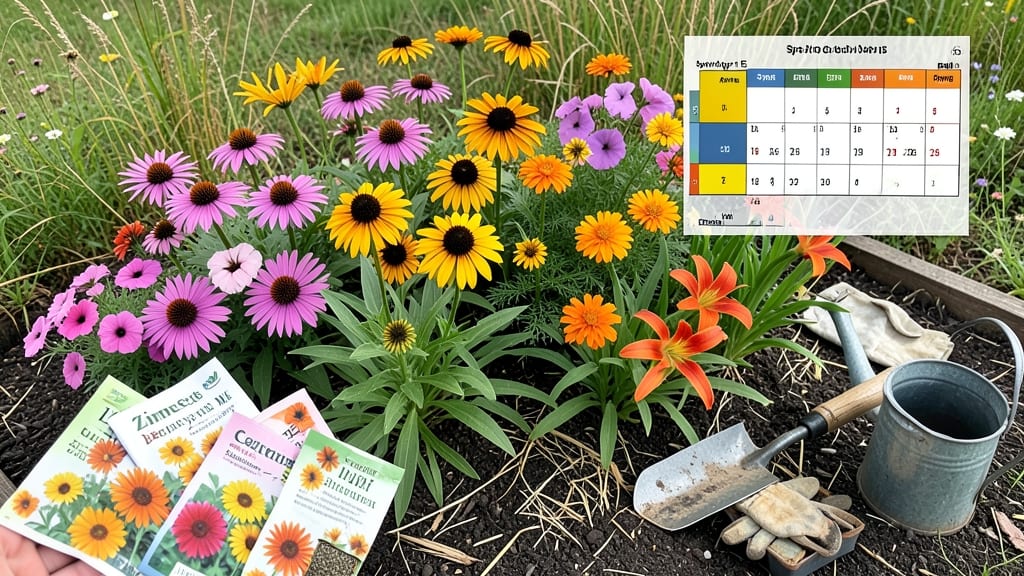
Timing your flower planting in Iowa isn't just about following a calendar—it's about outsmarting those sneaky late spring frosts that can turn your 🌸 dreams into a sad, brown memory.
With USDA Zone 5a-6b weather that swings from bitter cold to scorching heat, knowing the exact windows for planting annuals, perennials, and bulbs makes all the difference between a thriving garden and a gamble.
I've learned the hard way that waiting "until it warms up" often means missing the boat—literally. The key is planting 6-8 weeks before your last frost (usually mid-April) for cool-season flowers, while heat-lovers like marigolds and zinnias need to wait until soil temperatures hit 60°F.
But here's the secret: Iowa's microclimates mean rural areas and cities can differ by weeks, so I'll show you how to adjust for your specific corner of the state.
What if you're still not sure when to start seeds indoors versus direct-sowing outdoors? Or how to protect delicate blooms when late frosts strike in May?
I'll break down the month-by-month planting schedule that actually works in Iowa, including backup plans for those "just one more week" springs that seem to last forever.
By the end, you'll have a foolproof system to get your flowers in the ground at the perfect time—no more guessing, no more wilting disappointment. Let's make this the year your garden bursts with color, 🌸 by 🌸, from spring through fall.
Iowa flower planting deadlines by season: USDA Zone 5 frost-free timeline
Iowa’s USDA Zone 5 climate means late frosts can strike until mid-April, while first frosts often arrive by mid-October. Knowing these critical deadlines separates thriving gardens from frost-bitten failures. Rural areas tend to have earlier frosts than cities, so adjust your schedule accordingly.
For annual flowers, wait until after the last frost date (typically May 1 in most of Iowa) to plant heat-loving varieties like marigolds or petunias. Cold-hardy annuals, such as pansies or snapdragons, can handle light frosts and may be planted as early as April 15 in protected spots.
Perennials like coneflowers or black-eyed Susans should be planted in early spring (March–April) or early fall (September) to establish roots before winter. Bulbs, such as tulips or daffodils, thrive when planted in fall (October), giving them time to root before freezing.
Urban areas like Des Moines often have warmer microclimates than rural northern Iowa, allowing for 2–3 weeks earlier planting. Use a frost-free date calculator or local Cooperative Extension resources to fine-tune your schedule.
Here’s a quick reference for Iowa’s frost-free timeline by plant type, including backup windows for late springs:
| Plant Type | Primary Planting Window | Backup Window (Late Spring) | Frost Risk |
|---|---|---|---|
| Cold-Hardy Annuals (Pansies, Snapdragons) | April 15–May 1 | May 15 (with row covers) | Low (tolerate light frost) |
| Heat-Loving Annuals (Marigolds, Petunias) | May 15–June 1 | June 15 (succession plant) | High (damaged by frost) |
| Perennials (Coneflowers, Black-Eyed Susans) | March 15–April 30 or Sept 1–Oct 15 | May 10 (spring) or Aug 15 (fall) | Moderate (established roots survive) |
| Spring Bulbs (Tulips, Daffodils) | October 1–Nov 15 | N/A (fall-only planting) | None (dormant in winter) |
| Fall Bulbs (Crocuses, Hyacinths) | September 1–Oct 15 | N/A (fall-only planting) | None (dormant in winter) |
If late frosts delay your planting, opt for transplants over seeds—they mature faster. For urban gardens, heat from buildings can create microclimates where you might plant 2 weeks earlier than rural areas. Always monitor local forecasts and have row covers ready for unexpected cold snaps.
For fall planting, aim to get perennials and bulbs in the ground 6–8 weeks before the first frost (typically by September 15).
This gives roots time to establish before winter dormancy. Annuals planted in fall (like calendulas) may bloom until first frost if sown by August 1.
Pro tip: Use succession planting for annuals like zinnias or cosmos. Sow seeds every 2–3 weeks from May to July to ensure continuous blooms all season. This strategy also helps if your first planting gets hit by an unexpected frost.
Track your local frost dates using the Iowa State University Extension’s frost calendar or apps like Frost Date Finder. Adjust your schedule by 1–2 weeks if you’re in northern Iowa (Zone 4b) or southern Iowa (Zone 6a).
With these timing strategies, your Iowa garden will bloom beautifully—no frost-related disappointments here! 🌷
Best flowers to plant in Iowa by month: a month-by-month survival guide
Iowa’s gardening season feels like a high-stakes game of Russian roulette with frost—one wrong move, and your 🌷 dreams wither before they bloom. But I’ve cracked the code: timing your flower planting by month means you’ll outsmart Mother Nature’s mood swings.
Whether you’re sowing cool-season hardies in March or heat-loving annuals in July, each month offers a different opportunity to fill your garden with color. The key? Knowing which flowers thrive when and whether to start seeds indoors or direct-sow outdoors.
Let’s break it down month by month—from March’s early risers to October’s late bloomers—so you can plant with confidence. I’ll include my top picks for Iowa-native favorites and high-performing hybrids that actually survive our wild swings from 30°F mornings to 90°F afternoons.
Plus, I’ll share my secret for beating late frosts: succession planting and row covers to stretch your season.
Pro tip: Iowa’s microclimates mean rural areas (like Zone 5a) can plant 2 weeks earlier than cities (like Des Moines in Zone 5b).
Check your local frost-free date and adjust—my garden in Zone 5a often gets hit by frost in early May, while urban areas might be safe until mid-May.
Don’t forget to amend your soil before planting—adding compost and organic matter ensures your flowers thrive. And if you’re new to seed-starting, petunias and snapdragons are the easiest to begin indoors in March. For direct sowing, marigolds and cosmos are my go-to heat-tolerant annuals that forgive late starts.
With this month-by-month guide, you’ll never again wonder “Did I plant too early?” or “Why aren’t my flowers blooming?”. Just follow the schedule, protect your plants from Iowa’s unpredictable frosts, and enjoy a garden that <