
Flowers
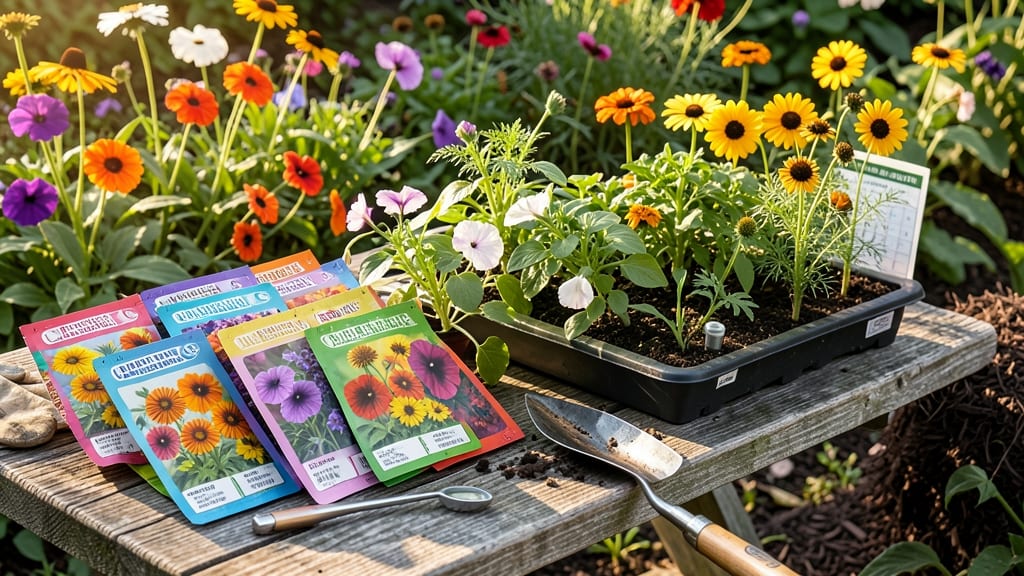
Planting flowers in Indiana at the wrong time can mean wilting blooms before they even show off their colors—but timing it just right in Zones 5b-6b turns your garden into a nonstop parade of 🌸 from spring to fall.
Indiana’s last frost usually lingers until mid-April, and that’s your cue to start cool-season flowers like pansies and snapdragons. But tender annuals like marigolds? Wait until after the last frost—usually mid-May—or risk a chilly surprise.
The key is knowing which flowers thrive in early spring’s chill and which need warm soil to take off.
I’ve learned the hard way that rushing spring planting can leave you with sad, stunted blooms. Instead, we’ll break down the exact windows for annuals, perennials, and bulbs—plus how to stretch your growing season with row covers or greenhouses.
Whether you’re a first-time gardener or a seasoned pro, these tips will help you avoid common mistakes and keep your garden bursting with color all season.
Ready to turn your Indiana garden into a year-round showstopper? Let’s dive into the perfect planting schedule for every type of flower, so you can enjoy blooms from March through October without a single frost-related setback.
Indiana flower planting calendar by type: cool-season vs warm-season flowers
Indiana’s USDA Zones 5-6 offer a 165-day frost-free window, but timing is everything. Plant cool-season flowers too late or warm-season bloomers too early, and you’ll risk frost damage or weak growth.
I’ve broken down the exact planting windows for annuals, perennials, bulbs, and native flowers to help you avoid common mistakes.
For cool-season flowers like pansies and snapdragons, start seeds indoors 6-8 weeks before the last frost (mid-April in most of Indiana).
Transplant outdoors 4-6 weeks before the first frost (mid-October) for fall blooms. Warm-season flowers, such as marigolds and zinnias, need to wait until after the last frost—typically late May—to thrive.
Here’s a quick comparison to keep your garden blooming from spring to fall without frost surprises:
| Flower Type | Indoor Start (Seeds) | Outdoor Transplant | Key Notes |
|---|---|---|---|
| Cool-Season Annuals (Pansies, Snapdragons, Sweet Alyssum) | March 15-April 1 (6-8 weeks before last frost) | March 20-April 30 (spring) or Sept 1-Oct 15 (fall) | Tolerates light frost; deadhead for continuous blooms |
| Warm-Season Annuals (Marigolds, Zinnias, Petunias) | April 15-May 1 (4-6 weeks before last frost) | May 15-June 1 (after last frost) | Needs warm soil; mulch to retain moisture |
| Perennials (Coneflowers, Black-Eyed Susans, Daylilies) | March 1-April 15 (for early bloomers) | April 15-May 15 (after soil warms) | Establishes roots slowly; water deeply after transplanting |
| Bulbs (Tulips, Daffodils, Hyacinths) | August-September (plant before ground freezes) | Fall (Oct-Nov) or early spring (March) | Plant bulbs 6-8 inches deep; fertilize in spring |
| Native Wildflowers (Butterfly Weed, Purple Coneflower, Bee Balm) | March-April (direct sow outdoors) | April-May (after soil reaches 60°F) | Drought-tolerant; attracts pollinators; minimal care |
For cool-season flowers, I recommend starting seeds indoors in late winter (February-March) to give them a head start.
These varieties thrive in cooler temperatures and can even handle light frosts. Pansies and violas, for example, will bloom earlier in spring and later in fall if planted at the right time.
If you’re growing warm-season flowers, hold off until after the last frost (usually mid-May). Use row covers or cold frames to protect tender seedlings if an unexpected frost hits. Marigolds and zinnias are great choices for summer-long color and are easy to find at local nurseries.
Don’t forget about perennials—they’re the backbone of a low-maintenance garden. Plant early spring-bloomers like bleeding heart or lungwort in March-April so they establish roots before summer heat. Daylilies and coneflowers can wait until April-May when the soil is warmer.
For bulbs, timing is critical. Plant fall-blooming bulbs like tulips and daffodils in September-October so they root before winter. Spring-blooming bulbs, such as crocuses and hyacinths, can go in early fall or even late winter (February-March) for a surprise spring display.
Indiana’s native wildflowers are a gardener’s secret weapon—they’re drought-tolerant, low-maintenance, and pollinator-friendly. Sow seeds directly outdoors in early spring (March-April) or late summer (August-September) for the best results. But
How to adjust planting dates for Indiana’s microclimates (north vs south, urban vs rural)
Indiana’s climate varies dramatically from the colder northern regions (like Gary or South Bend) to the warmer southern areas (such as Evansville or Louisville). These microclimates can shift your planting windows by 2-4 weeks, so knowing your exact location is key.
For example, northern Indiana’s last frost often lingers until May 10-15, while southern Indiana may see frost-free soil by April 20-25.
Urban gardens in cities like Indianapolis or Fort Wayne can also experience heat islands, where pavement and buildings trap warmth—great for extending the growing season. Meanwhile, rural areas might have earlier frosts due to open fields.
Adjust your schedule by 1-2 weeks earlier in southern Indiana or later in the north, and always check local frost date records from your county extension office.
A row cover or cold frame can help you push boundaries. For instance, in northern Indiana, I’ve used floating row covers to plant marigolds and zinnias 2 weeks earlier than the last frost date.
In southern Indiana, I’ve kept pansies and violas blooming into late November with a simple hoop house setup. These tools add 4-6 weeks to your growing season with minimal effort.
Here’s a quick guide to adjusting your planting dates based on Indiana’s microclimates:
| Microclimate | Last Frost Date | First Frost Date | Adjustment for Warm-Season Flowers | Best Tool for Extension |
|---|---|---|---|---|
| Northern Indiana (e.g., Gary, South Bend) | May 10-15 | October 10-15 | Wait until May 20 | Row covers for early starts |
| Southern Indiana (e.g., Evansville, Louisville) | April 20-25 | October 20-25 | Plant by April 30 | Cold frames for fall blooms |
| Urban (e.g., Indianapolis, Fort Wayne) | April 25-May 5 | October 15-20 | Plant by May 10 | Reflective mulch for heat |
| Rural (open fields, less urban heat) | May 5-10 | October 5-10 | Wait until May 15 | Windbreaks for protection |
For cool-season flowers like pansies, snapdragons, and calendula, you can plant 4-6 weeks before the last frost in all regions. These hardy annuals thrive in 50°F soil and can even handle light frosts.
In southern Indiana, I’ve seen violas bloom as early as March 15, while northern Indiana gardeners might wait until April 1.
If you’re unsure about your microclimate, use a frost-free date calculator from your local cooperative extension service or check the National Oceanic and Atmospheric Administration (NOAA) for historical frost data.
I’ve also found that planting a mix of early, mid, and late-season varieties ensures continuous blooms, regardless of when frost hits. For example, pair early pansies with mid-season zinnias and late-blooming cosmos to stretch your season effortlessly.
With these adjustments, you’ll avoid the heartbreak of frost-nipped blooms and enjoy a garden that thrives year-round. Happy planting! 🌸