
Flowers
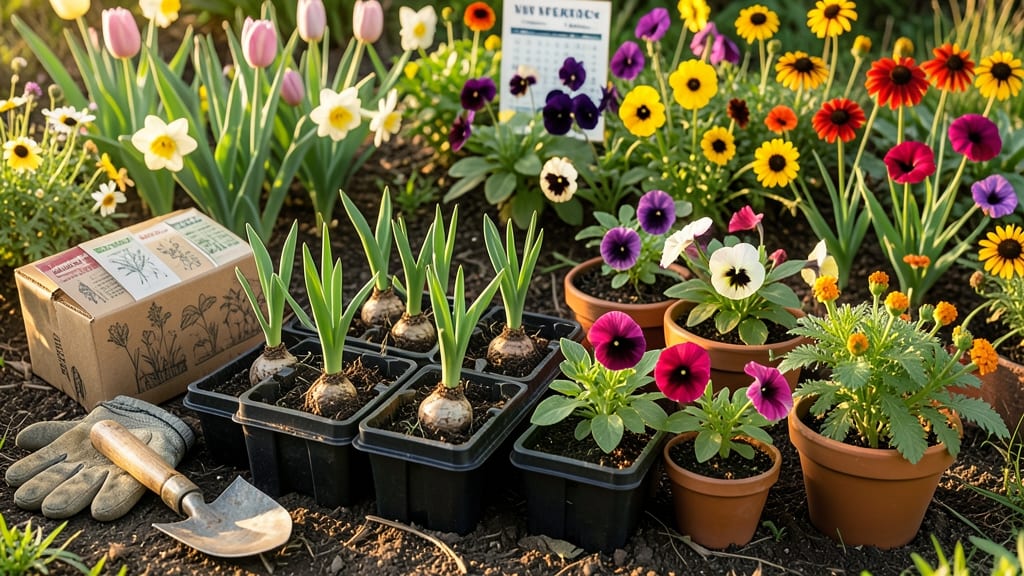
Planting flowers in New York at the wrong time can leave you staring at a garden full of frostbitten buds instead of vibrant blooms. With USDA Zones 6-7 throwing curveballs like late frosts and unpredictable weather, timing is everything for your 🌸 flowers to thrive.
I’ve learned the hard way that waiting until May isn’t always enough for hardy perennials, while annuals like zinnias need to go in after the soil warms to 60°F.
The key is understanding your specific microclimate—whether you’re in NYC’s urban heat island or the cooler Catskills—so you can adjust planting dates to match local frost averages.
In this guide, I’ll break down the exact months to plant flowers in your zone, from bulbs in early spring to fall-blooming varieties. You’ll also discover how to stretch your blooming season with simple tricks like row covers and succession planting, so your garden stays lively from spring to frost.
Skip the guesswork and get a zero-frost planting schedule tailored to your corner of New York. Let’s turn your garden into a year-round showstopper—starting with the right timing.
NY flower planting calendar: exact months for annuals, perennials, and bulbs by zone 6-7
New York’s USDA Zones 6-7 offer a 165-day frost-free season, but the timing can vary wildly between NYC’s urban heat islands and Upstate’s cooler microclimates. Whether you’re planting frost-sensitive zinnias or hardy pansies, knowing the exact window makes all the difference.
Below, I’ll break down the month-by-month schedule for annuals, perennials, and bulbs, tailored to your region.
For NYC and Long Island, the average last frost date is April 15, while Upstate areas (like the Hudson Valley or Catskills) often see frost until May 1.
Conversely, first frost arrives around October 15 in most areas, but mountain regions can freeze earlier. Plan accordingly to avoid frost damage or wasted effort.
| Plant Type | Best Planting Month | Notes for NY Zones 6-7 |
|---|---|---|
| Spring Bulbs (Tulips, Daffodils) | October-November | Plant 6-8 weeks before first frost for spring blooms. Upstate: aim for late October; NYC: early November. |
| Cold-Hardy Annuals (Pansies, Snapdragons) | March-April | Tolerate light frost. Start seeds indoors in February for early blooms. Transplant after last frost. |
| Heat-Loving Annuals (Zinnias, Marigolds) | May-June | Wait until soil reaches 60°F. NYC: late May; Upstate: early June. |
| Perennials (Coneflowers, Black-Eyed Susans) | April-May | Plant after last frost. Divide established perennials in early spring or fall. |
| Fall-Blooming Annuals (Cosmos, Sunflowers) | July-August | Sow seeds 8-10 weeks before first frost for late-season color. Ideal for Upstate gardens. |
| Spring-Planted Perennials (Peonies, Lavender) | April-May | Choose drought-tolerant varieties for NYC’s urban heat. Mulch to retain moisture. |
In March, focus on preparing your soil and starting cold-hardy seeds indoors. Pansies, violas, and calendula can handle light frost, so transplant them as early as mid-March in Upstate regions. For NYC gardeners, wait until late March to avoid late-season frost surprises.
By April, most of New York is frost-free, making it the prime time for annuals. Plant petunias, geraniums, and coleus after the last frost date, which typically falls around April 15.
For perennials like daylilies, April is also ideal—just ensure the soil is warmer than 50°F to prevent root rot.
If you’re growing heat-loving flowers like zinnias, sunflowers, or lantana, hold off until May or June.
These plants thrive in full sun and warm soil, so waiting until the soil temperature hits 60°F (usually late May in NYC) gives them the best start. Upstate gardeners can plant these slightly earlier, around early May.
Don’t overlook fall planting! September is perfect for cool-season crops like pansies, sweet alyssum, and snapdragons, which will bloom until first frost.
For bulbs like tulips and daffodils, plant them in October or November—this gives roots time to establish before winter. NYC’s urban heat can delay frost, so aim for early November in the city.
For Upstate gardeners, the first frost often arrives by mid-October, so prioritize fall-blooming annuals like cosmos or asters. These can handle cooler temps and add late-season color. Meanwhile, NYC gardeners can extend the season with row covers or container gardens moved indoors before frost.
Pro tip: Use mulch to regulate soil temperature and retain moisture. A 2-3 inch layer of straw or shredded leaves helps protect tender perennials and newly planted bulbs from
How to adjust planting times for New York’s microclimates (city vs. suburbs vs. mountains)
Your neighbor’s perfectly timed flower planting might fail in your yard because New York’s microclimates create wildly different growing conditions. The urban heat island in NYC can push last-frost dates back by 2-3 weeks compared to the Catskills, where elevation shifts delay warming.
Even a 10-mile drive can mean the difference between planting pansies in March or waiting until May.
I’ve seen zinnias thrive in Brooklyn’s containers when they wilt in a suburban yard just 15 miles north. The key is understanding how concrete jungles, lake breezes, and mountain slopes alter frost dates—and adjusting your schedule accordingly.
Let’s break down the critical differences and how to adapt your planting strategy for each microclimate.
Here’s how container gardens, raised beds, and ground planting respond differently to these microclimates, with exact timing adjustments:
For container gardens, the heat island effect works in your favor—pots warm up 3-5 days faster than ground soil. I’ve started petunias in NYC containers by April 10 without frost damage, while the same plants in Upstate gardens needed to wait until May 1.
Use black containers to absorb more heat if you’re in a city zone.
In raised beds, soil temperatures rise more quickly than in-ground plots, but elevation matters. At 2,000 feet in the Catskills, raised beds might still be 10°F colder than suburban ones at the same time.
Amend your raised bed soil with composted manure to improve warmth retention—this can shave 5-7 days off your planting timeline.
If you’re in a lake-effect zone like the Finger Lakes, don’t be fooled by warm April days. Cold snaps can hit suddenly, so I recommend waiting until May 20 to plant heat-loving annuals like zinnias.
For mountain gardens, focus on perennials that tolerate shorter seasons—like coneflowers and black-eyed Susans—and avoid frost-sensitive annuals unless you’re using row covers.
Pro tip: Check your local Almanac frost dates but adjust by 1 week later if you’re in a mountainous area or 1 week earlier if you’re in the city. Your garden’s success depends on these microclimate tweaks—don’t let your neighbor’s schedule ruin your blooms! 🌿