
Flowers
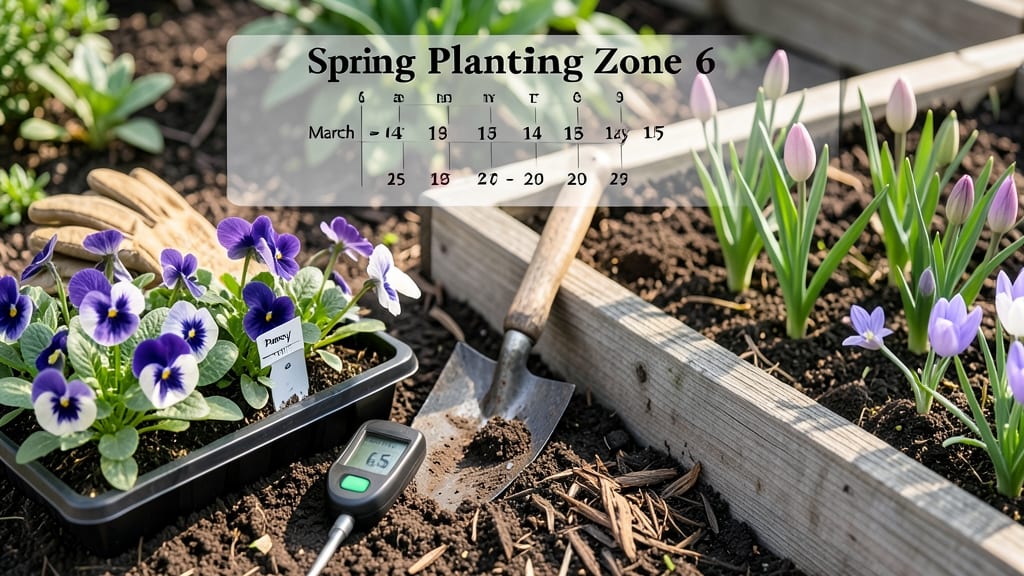
Timing your spring flower planting wrong can mean wilted dreams before the blooms even appear—but knowing your USDA zone and frost dates turns guesswork into guaranteed beauty. 🌸 If you're in Zone 6a like me, late April to early May is your sweet spot after the last frost, but the exact moment depends on the flower type and your local microclimate.
Most gardeners wait until the soil warms to 60°F (about 15°C) because cold soil can stunt young roots, leaving your 🌸 flowers vulnerable to rot.
Annuals like marigolds and petunias are eager to go in as soon as the danger of frost passes, while perennials like coneflowers prefer to establish roots before summer heat sets in.
I’ve learned the hard way that rushing too early can mean replanting, while waiting too long risks missing the ideal window for full-season blooms. The key is checking your local frost dates—NOAA’s website or your local extension office can give you the precise timeline for your area.
In this guide, I’ll break down exactly when to plant by flower type, how to prep your soil for success, and the 3 biggest mistakes that sabotage spring plantings. Let’s get those 🌸 flowers thriving without the trial and error!
USDA Zone planting calendar: exact weeks before last frost for spring flowers
Planting your spring flowers at the right time ensures vibrant blooms all season long. The USDA zone you live in determines your last frost date, which is the critical marker for when to plant.
For example, in Zone 3, you’ll need to wait until 6-8 weeks before your last frost, while gardeners in Zone 10 can start as early as 2-3 weeks before. Coastal areas often have delayed frosts compared to inland regions, so always check local data.
Annual flowers like marigolds and petunias are eager to go in as soon as the soil warms to 60°F (15°C), while perennials like coneflowers and black-eyed Susans prefer to establish roots before summer heat.
Bulbs, such as tulips and daffodils, should be planted in fall, but their spring foliage benefits from early planting of companion flowers like pansies.
Here’s a quick reference for your USDA zone and the ideal weeks before last frost to plant various flowers:
If you’re in a coastal zone, your frost dates may be delayed by 2-4 weeks compared to inland areas. For example, Zone 7 in the Pacific Northwest might have its last frost in early May, while inland Zone 7 could see frost as late as mid-April.
Always verify with your local agricultural extension office or NOAA frost maps for precise timing.
For bulbs like tulips and daffodils, the timing is different—they should be planted in fall (6-8 weeks before the ground freezes). However, their spring foliage will thrive if you plant spring-blooming bulbs like grape hyacinths or crocuses in early spring for a pop of color.
Perennials like black-eyed Susans and daylilies can handle being planted up to 4 weeks before your last frost, but they’ll establish better roots if planted closer to the ideal window.
Annuals, on the other hand, will bolt or struggle if planted too early, so stick to the 4-6 week guideline for Zones 5-6.
One of my biggest mistakes was planting impatiens too early in Zone 660°F (15°C) and use row covers for extra protection if needed. For coastal gardeners, this might mean waiting until early May, while inland gardeners can start as early as mid-April.
Pro tip: Use biodegradable seed starter pots if you’re starting seeds indoors 6-8 weeks before your last frost. This gives you a head start on the season and ensures your 🌸 flowers are ready to bloom when the time is right. Just be sure to harden off seedlings before transplanting!
Finally, always keep an eye on your local weather forecast in the weeks leading up to planting. A late frost can still sneak in, so having row covers or a greenhouse on hand is a lifesaver.
With the right timing, your spring garden will be a burst of color from April through fall! 🌷
How to check your local frost dates and adjust planting for cold-hardy flowers
Finding your local frost dates is the first step to avoiding those heartbreaking frost-killed seedlings that can ruin your spring planting plans. I’ve learned the hard way that last frost dates vary even between neighboring towns—so don’t rely on general USDA zone guidelines alone.
For example, my Zone 6a garden in the Midwest typically sees its last frost around April 15, but a nearby valley might experience frost 2 weeks later.
To get precise frost data, I always check three reliable sources: the NOAA Climate Data website, my local agricultural extension office, and weather stations like the National Weather Service. These sources provide historical averages and recent trends, which help me plan better than just guessing based on the calendar.
For instance, pansies and snapdragons can handle light frosts, while impatiens and begonias need soil temperatures above 60°F to thrive.
Once you’ve got your frost dates, calculate your safe planting window by adding 2 weeks before the last frost date for hardy annuals and 4 weeks for tender perennials. This buffer accounts for unpredictable late frosts, especially in cooler microclimates like low-lying areas or shaded spots.
I also use a simple soil thermometer to confirm the ground has warmed to the right temperature for my chosen flowers.
⚠️ Don’t Plant Too Early!
Even cold-hardy flowers like calendulas and stocks can suffer if planted too soon. Cold soil slows root growth, making seedlings more vulnerable to rot and pests. Wait until the soil temperature reaches at least 50°F (10°C) for hardy annuals and 60°F (15°C) for tender varieties. Pro tip: Use row covers or cloches to protect early plantings if you’re eager to start!
Not all flowers are created equal when it comes to frost tolerance. Cold-hardy annuals like pansies, violas, and snapdragons can handle light frosts down to 25°F (-4°C), making them perfect for early spring plantings.
Meanwhile, tender annuals such as impatiens, geraniums, and petunias need to wait until the soil is consistently warm. I always group my flowers by their frost tolerance to create a layered planting schedule that maximizes my garden’s bloom time.
For perennials, timing matters even more because establishing roots early means stronger plants next year. Coneflowers and black-eyed Susans can be planted as early as 2 weeks before the last frost, while daylilies and hostas prefer to go in after the frost danger has passed.
I’ve found that bare-root perennials planted in early spring often outperform those planted in fall, thanks to their ability to grow roots before summer heat arrives.
Adjust your planting schedule based on your microclimate. Urban areas often have warmer microclimates due to heat absorption from buildings, while rural gardens might stay cooler longer.
If you’re unsure, I recommend testing your soil temperature with a digital thermometer for at least 3 days in a row before planting. This small step can save you from replanting and ensure your 🌸 flowers get the best possible start.