
Flowers
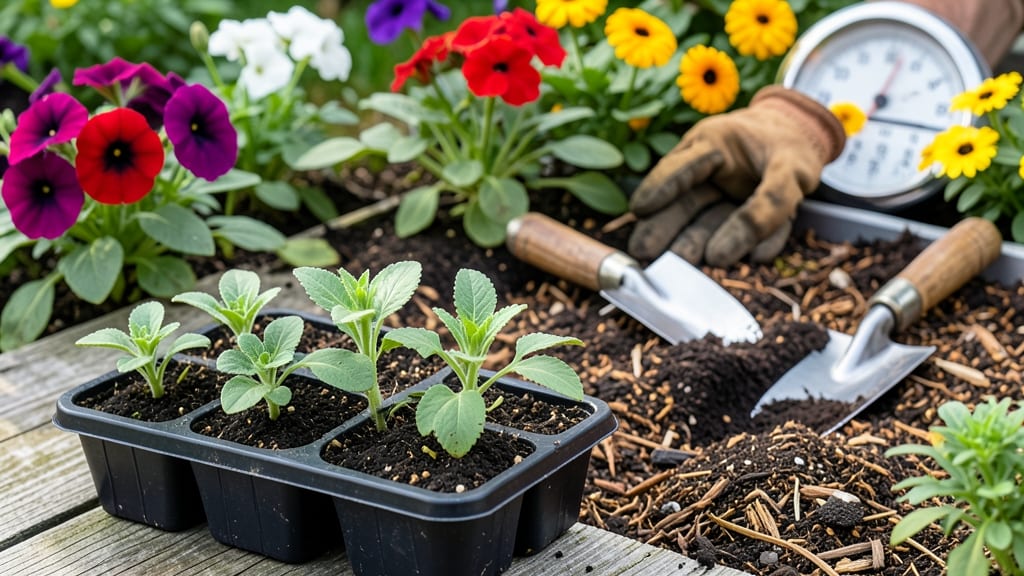
Planting your 🌸 flowers in Ohio at the safe time to plant flowers in Ohio can turn your dream garden into a vibrant, frost-free reality.
The key to vibrant blooms isn't just waiting for spring—it's knowing when nighttime temperatures consistently stay above 50°F for three straight days, a rule that saves countless plants from surprise freezes.
Ohio's 6a zone makes timing everything, especially since last-frost dates can swing wildly from mid-April in southern regions to early May in northern areas. I've learned the hard way that rushing your 🌸 flowers into the ground too soon often means watching them wither under unexpected frost.
The secret lies in understanding your specific microclimate and adjusting planting dates accordingly.
Whether you're dreaming of cool-season pansies or heat-loving marigolds, this guide will help you pinpoint the exact window to plant your 🌸 flowers safely. We'll cover everything from soil temperature cues to zone-specific planting calendars, so you can finally stop guessing and start growing with confidence.
Let's dive into the frost-free timeline that will transform your Ohio garden from uncertain to extraordinary this season. Your future blooms will thank you!
Ohio’s last-frost dates by Zone: when to plant flowers safely
Ohio’s frost-free dates vary dramatically from northern to southern regions, making it critical to know your USDA hardiness zone before planting. In Zone 5 (northeast Ohio), gardeners often wait until mid-May for safety, while Zone 8 (southwest Ohio) can plant as early as late March.
These differences mean a 3-week gap in planting windows—time that can make or break your flower blooms.
Microclimates add another layer of complexity. Urban areas like Columbus and Cincinnati tend to warm 1–2 weeks earlier than rural zones due to the urban heat island effect. Meanwhile, valleys and low-lying regions (like parts of Appalachian Ohio) can experience late frosts even after nearby areas have warmed.
Always check local frost records from sources like the Ohio State University Extension for the most accurate timeline.
Here’s a zone-by-zone breakdown of Ohio’s average last-frost dates, along with planting windows for annual and perennial flowers. Use this as your guide to avoid frost damage while maximizing bloom time.
| USDA Zone | Last Frost Date (Avg.) | First Frost Date (Avg.) | Safe Planting Window | Microclimate Adjustments |
|---|---|---|---|---|
| Zone 5 (Northeast Ohio) | May 15–20 | October 5–10 | After May 20 (wait for soil >50°F) | Urban areas: 1 week earlier; valleys: 1 week later |
| Zone 6a (Central Ohio) | April 25–May 5 | October 10–15 | After May 5 (soil >55°F) | Columbus: 3 days earlier than rural areas |
| Zone 6b (Southwest Ohio) | April 15–25 | October 15–20 | After April 25 (soil >50°F) | Toledo: 5 days earlier than surrounding zones |
| Zone 7 (Southern Ohio) | April 5–15 | October 25–November 1 | After April 15 (soil >50°F) | Athens: 1 week earlier than northern Zone 7 |
| Zone 8 (Far Southwest Ohio) | March 20–April 5 | November 10–15 | After March 30 (soil >55°F) | Cincinnati suburbs: 1 week earlier than rural |
For annual flowers like marigolds or petunias, wait until the soil temperature reaches at least 60°F—not just the air temperature.
Use a soil thermometer to check, especially in Zone 5 where cool soils delay growth. Perennials, like coneflowers or black-eyed Susans, can often handle light frosts and may be planted as early as 4 weeks before your zone’s last frost date.
If you’re in doubt, use the 50°F rule: Wait until nighttime lows consistently stay above 50°F for at least 3–5 nights in a row. This minimizes the risk of frost damage to tender new growth.
For heat-loving flowers (like geraniums or impatiens), hold off until mid-May in northern Ohio to ensure they thrive.
Ohio’s first frost typically arrives between mid-October (Zone 5) and mid-November (Zone 8), so plan your fall-planted bulbs (like tulips or daffodils) accordingly. For cool-season flowers, such as pansies or snapdragons, you can even plant 6 weeks before the first frost for early spring blooms.
Pro tip: Bookmark the NOAA Climate Prediction Center or your local Cooperative Extension site for real-time frost alerts. These tools provide hyperlocal adjustments that can save your flower beds from unexpected late-season frosts.
For example, a 2022 frost in early May hit Zone 6 areas, catching many gardeners off guard—so stay vigilant!
Cold-hardy flowers vs. frost-sensitive varieties: what to plant when
Ohio’s last frost dates can vary by weeks, but one rule remains constant: cold-hardy flowers like pansies and snapdragons can handle light frosts, while frost-sensitive varieties like impatiens and petunias need frost-free soil to thrive.
I’ve learned that planting the wrong flowers at the wrong time means watching your garden struggle—or worse, die back—before it even begins.
In Ohio’s USDA Zone 6a, the average last frost date falls between mid-April and early May, but microclimates in cities like Columbus or Toledo can shift this window by weeks.
For example, marigolds and calendula can often survive 28°F temperatures, while geraniums and begonias wilt at the first 32°F dip. The key is matching your flower types to Ohio’s frost-free timeline.
Cold-hardy flowers are your best bet for early spring planting. These varieties can tolerate light frosts and even brief freezes, giving you a head start on color. Think pansies, violas, snapdragons, and stock. They’ll bounce back from 25–30°F nights, making them perfect for March or early April sowing in Zone 6a.
Cold-Hardy Flowers vs. Frost-Sensitive Varieties
Cold-Hardy Flowers
- Pansies: Tolerate 25°F
- Snapdragons: Survive 28°F
- Marigolds: Handle 30°F
- Calendula: Bounce back from 28°F
- Stock: Thrives in 30°F
Plant 4–6 weeks before last frost for early blooms.
Frost-Sensitive Varieties
- Impatiens: Die at 32°F
- Petunias: Need 50°F+ soil
- Geraniums: Wilt at 32°F
- Begonias: Require 55°F+ nights
- Coleus: Perish below 40°F
Wait until soil is 60°F+ and night temps stay above 50°F.
For frost-sensitive flowers, patience is key. These beauties—like impatiens and petunias—need consistently warm soil and nighttime temperatures above 50°F for at least three days. In Ohio, this usually means waiting until late May in northern regions or early May in southern areas.
I’ve found that starting these varieties indoors 6–8 weeks before the last frost date gives them a fighting chance to mature before summer heat sets in.
Here’s my 30-day pre-planting checklist for tender flowers: test your soil temperature with a thermometer (it should read 60°F+), harden off seedlings by gradually exposing them to outdoor conditions, and monitor local frost forecasts via the NOAA or Ohio State University Extension.
These steps have saved my 🌸 flowers from more than one late-spring freeze!
Remember, even cold-hardy flowers benefit from a light row cover if frost is forecasted after planting. And for frost-sensitive varieties, consider using black plastic mulch to warm the soil faster.
With the right timing and a little preparation, you can enjoy continuous blooms from spring through fall—no frost-related disappointments included. 🌷