
Flowers
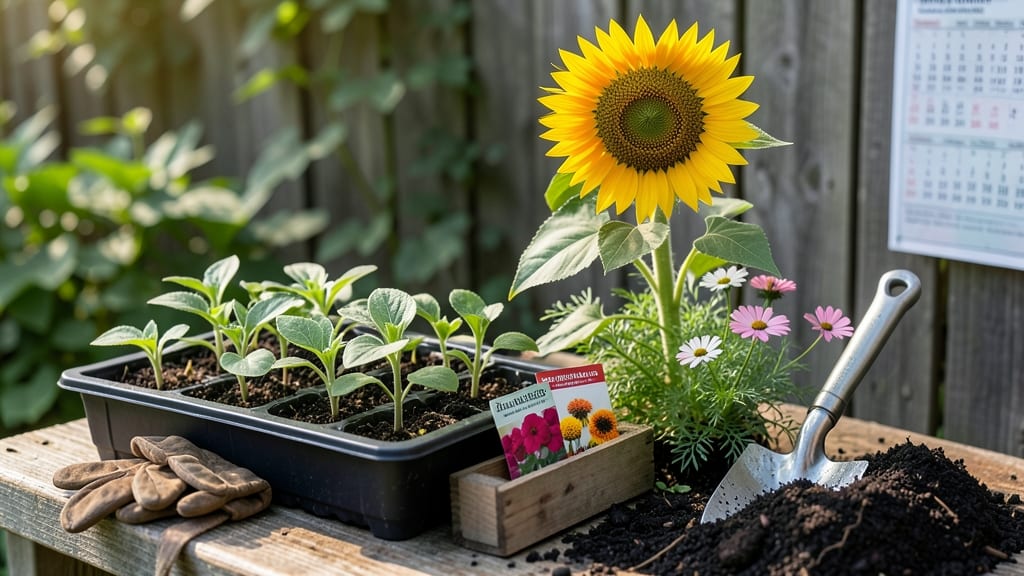
Timing when to plant flower seeds in Michigan just right can make all the difference between a garden bursting with color and one that barely makes it past frost. The wrong move, and you’ll end up with sad, stunted blooms—or worse, nothing at all.
Michigan’s 5b-6b climate means your planting window isn’t one-size-fits-all. Whether you’re in Detroit’s urban heat islands or the cooler Upper Peninsula, knowing when to start seeds indoors or when to sow directly outdoors is key. Skip the guesswork, and you’ll enjoy vibrant blooms from June through October.
In this guide, I’ll break down the exact planting windows for Michigan’s two main seasons—spring and fall—plus pro tips for extending your growing season. No more missed deadlines or frost surprises!
Ready to turn your garden into a showstopper? Let’s get started with the frost-date cheat sheet that’ll keep your flowers thriving all season long.
Michigan’s last frost dates by county: critical planting windows for flower seeds
Michigan’s last spring frost dates vary dramatically from the Upper Peninsula’s chilly highlands to Wayne County’s warmer urban pockets. These differences create planting windows that can shift by weeks—meaning your marigold seeds might thrive in Detroit but freeze in Marquette if planted too early.
Understanding your county’s average last frost date ensures your annuals, perennials, and cold-hardy flowers get off to the right start.
For most of Michigan, the last frost typically falls between mid-April and early May, but high-altitude areas like Keweenaw Peninsula can see frost as late as May 15th. Meanwhile, southern Michigan counties like Wayne, Washtenaw, and Monroe often hit frost-free conditions by April 20th.
These variations matter because cool-season flowers like pansies and snapdragons can handle light frosts, while warm-season beauties like zinnias and sunflowers need soil temperatures above 60°F (15°C) to germinate.
Pro Tip: Use these frost dates as guidelines, not rules. Check your local USDA Hardiness Zone (Michigan spans 4b–6b) and monitor soil temperatures with a thermometer. A late-season frost can still sneak in, so have row covers ready for sensitive seedlings like petunias or impatiens.
If you’re planting perennials like coneflowers or black-eyed Susans, you can start seeds indoors 6–8 weeks before your last frost date.
For annuals, direct sow after the soil warms to 60°F (15°C), which typically aligns with the safe planting windows in the table above. Cool-season flowers like pansies and snapdragons can even handle a light frost, making them great choices for early spring or fall planting.
For high-altitude areas like the Upper Peninsula, delay planting warm-season flowers until after June 1st to avoid late frosts.
In southern Michigan, you can push the envelope and plant heat-loving flowers like sunflowers or zinnias as early as mid-May, but monitor weather forecasts for unexpected cold snaps. A frost cloth or row cover can buy you an extra week or two of protection if needed.
Don’t forget about fall planting! Many annuals and perennials thrive when sown in late summer (August–early September). This second planting window gives you late-season blooms and
Best flowers to plant by Michigan’s frost zones: a region-specific guide
Michigan’s USDA frost zones 5a–6b create a unique gardening challenge—balancing early springs with late frosts while maximizing summer blooms. The key? Choosing region-specific flowers that thrive in your zone’s last frost dates and heat tolerance.
Whether you’re in southern Wayne County or the Upper Peninsula’s cooler climates, these flowers will reward you with vibrant blooms.
For early bloomers, focus on cool-season flowers like pansies and snapdragons, which handle Michigan’s late April–May frosts with ease. Meanwhile, heat-loving annuals such as zinnias and sunflowers need warm soil (60°F+) to germinate, making late May–June their sweet spot.
Don’t forget perennials like coneflowers and black-eyed Susans—they establish roots early and rebloom yearly with minimal fuss.
🌱 Top Flower Planting Timeline for Michigan’s Zones
- March–April (Indoors): Start cool-season seeds (pansies, lettuce flowers) 6–8 weeks before last frost. Use grow lights for 12–14 hours/day.
- Late April–Early May: Direct-sow hardy annuals (snapdragons, sweet peas) after soil warms to 50°F. Cover with frost cloth if nights dip below 32°F.
- Mid-May–June: Plant heat-loving annuals (zinnias, marigolds) once soil hits 60°F+. Mulch to retain moisture.
- July–August: Sow fall-blooming perennials (cosmos, asters) for late-season color before first frost.
- September (Late): Direct-sow winter-hardy flowers (pansies, calendula) for spring blooms or holiday color.
In Zone 5a (UP, northern MI), prioritize cold-tolerant varieties like shasta daisies and hollyhocks, which handle shorter growing seasons. Southern Zone 6b (Wayne, Monroe) gardeners can push tropical annuals like celosia or portulaca for bold summer displays.
Pro tip: Succession plant every 2–3 weeks to stretch blooms from May through October.
For perennials, focus on early spring bloomers like bleeding heart or lungwort to brighten gardens before summer’s heat sets in. Summer perennials such as black-eyed Susans and bee balm thrive in full sun and well-draining soil, while fall favorites like asters and goldenrod add late-season color before frost.
Don’t overlook Michigan-native flowers—they’re low-maintenance and attract pollinators. Try purple coneflower (Echinacea) or wild bergamot (Monarda) for drought-resistant beauty. These perennials self-seed, reducing your workload yearly. Pair them with annuals like cosmos for continuous blooms from June to frost.
Adjust your planting based on microclimates: South-facing slopes warm faster, while northern exposures stay cooler. Use row covers or cold frames to extend seasons for tender annuals. With these zone-specific picks, your Michigan garden will burst with color—frost or no frost! 🌼