
Planting
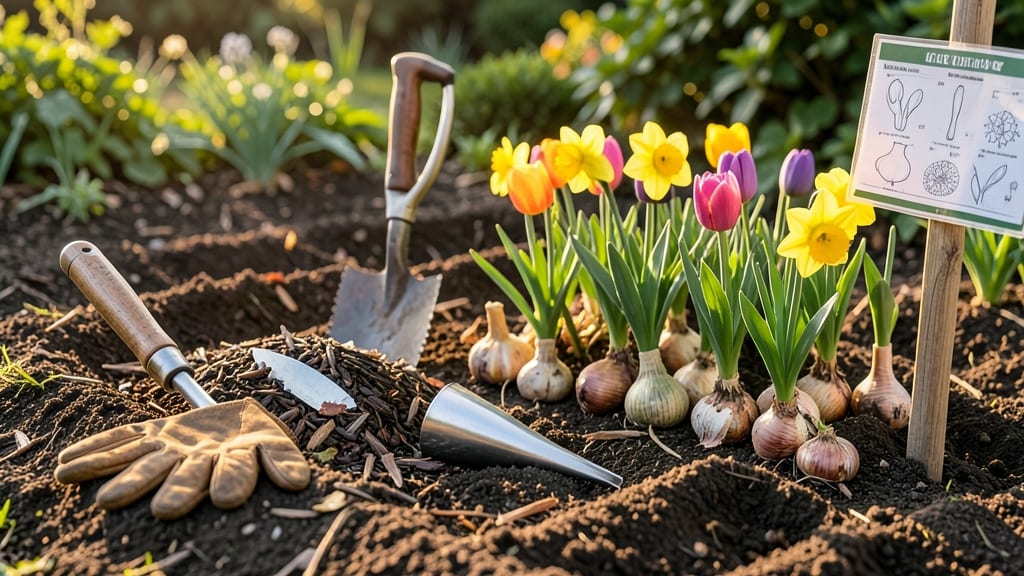
Planting flower bulbs 🌸 in the fall isn't just about timing—it's about unlocking a secret garden that wakes up with spring's first warmth.
The key lies in understanding when to plant so your bulbs establish strong roots before winter sets in, ensuring vibrant blooms that'll make your neighbors green with envy.
Most gardeners in USDA Zone 6a (like me!) should aim to get bulbs in the ground 6-8 weeks before the first frost, typically between late September and early November.
This window gives roots time to grow while the soil stays cool enough to prevent early sprouting—a common mistake that can leave bulbs vulnerable to winter's bite.
But here's the game-changer: not all bulbs are created equal. Some varieties, like tulips and daffodils, thrive with early planting, while others, such as crocus, prefer a slightly later start. I'll show you exactly how to match your bulbs to your climate for foolproof results.
Ready to transform your yard into a springtime masterpiece? Let's dive into the easiest way to prepare your soil, choose the right bulbs, and plant them with confidence—so you can sit back and watch nature do the rest.
The perfect fall planting timeline for flower bulbs by US hardiness zone
Fall is the magic window for planting flower bulbs—when temperatures drop and soil cools, bulbs like tulips and daffodils get the chill they need to root before winter.
But timing varies wildly across the USDA zones 3-10, where a late September planting in zone 3 might be too early for zone 10. The key? Planting 4-6 weeks before the first frost when soil temperatures hit 60°F or cooler.
This gives roots time to establish without sprouting too early.
In colder zones (3-5), you’ve got a longer window—think mid-September to early November. Warmer zones (7-10) need to act fast, often finishing by late October to avoid winter rains. Missing this window means bulbs may rot in soggy soil or sprout too soon, only to be fried by frost.
Let’s break it down by zone so you can plant with confidence, whether you’re in Minnesota’s zone 4 or Florida’s zone 10.
For zones 3-4, early September is your sweet spot—plant tulips and daffodils when soil temps drop below 60°F. These bulbs need 6-8 weeks to root before winter sets in. In zone 5, wait until late September to avoid early frosts that can damage tender roots.
Pro tip: Use a soil thermometer to confirm temps—cool but not frozen soil is ideal.
Warmer zones like 7-10 have tighter deadlines. In zone 9, plant by early October to prevent winter rains from causing rot. Zone 10 gardeners should finish by late September—these bulbs need minimal chill but still benefit from 6 weeks of root establishment before monsoon season hits.
If you’re in doubt, err on the earlier side—bulbs won’t sprout until spring, even if planted months ahead.
Don’t forget bulb spacing and depth—plant tulips and daffodils 6-8 inches deep with 4-6 inches between bulbs. Smaller bulbs like crocus can go 3 inches deep. A handy trick: measure your shovel’s depth or use the “three-times-the-bulb” rule (e.g., a 2-inch bulb goes 6 inches deep).
This ensures they’re deep enough to survive freeze-thaw cycles.
After planting, add a 2-inch layer of mulch to insulate soil and retain moisture. In zones 3-5, use straw or leaves; warmer zones can use pine needles or shredded bark. Avoid synthetic mulches—they can suffocate bulbs.
Water deeply after planting to settle soil, then let nature take over. Rainfall usually handles the rest, but in drought-prone zones 8-10, give bulbs a weekly drink until the ground freezes.
One common mistake? Planting too late in zones 7-10. If you miss the window, hold bulbs in a cool, dark place (like a garage) until next fall. Another pitfall: over-fertilizing before winter—bulbs need to focus on roots, not foliage.
Skip the fertilizer now; you can feed them lightly in spring when shoots emerge. The goal is strong roots, not early blooms.
Finally, mark your planting spots with flags or labels—spring shoots can appear before you remember where you planted! In zone 6, I once forgot where I’d tucked hyacinths and nearly dug them up thinking they were weeds.
A little planning now saves springtime surprises (and heartbreak). With this timeline, your garden will burst with color next spring, proving that patience in fall pays off in spectacular blooms.
Chill-hardy flower bulbs that thrive when planted in fall
Choosing the right flower bulbs for fall planting is half the battle—especially if you want blooms that pop in spring like clockwork. The key is selecting chill-hardy varieties that not only survive winter but thrive when temperatures drop.
I’ve tested these top performers in my own garden, and they consistently deliver vibrant, long-lasting blooms year after year.
Most of these bulbs need 6-8 weeks of cool soil before winter dormancy to establish strong roots. Plant them too early, and they’ll sprout prematurely; too late, and they won’t root deeply enough.
The good news? These varieties handle the cold beautifully, making them perfect for gardeners in USDA Zones 3-8.
| Bulb Type | Planting Depth | Spacing | Cold Tolerance | Bloom Time |
|---|---|---|---|---|
| Tulips | 6-8 inches deep | 4-6 inches apart | Zones 3-8 | Early to mid-spring |
| Daffodils | 6-8 inches deep | 3-6 inches apart | Zones 3-9 | Mid to late spring |
| Crocus | 3-4 inches deep | 2-3 inches apart | Zones 3-8 | Early spring |
| Alliums | 6-8 inches deep | 6-12 inches apart | Zones 4-9 | Late spring |
| Hyacinths | 6-8 inches deep | 4-6 inches apart | Zones 4-8 | Early to mid-spring |
My favorite tulips always steal the show with their bold colors, but I’ve found that daffodils are the most low-maintenance champions. They’re deer-resistant and multiply over time, giving you more blooms each year. For a unique look, try alliums—their globe-shaped flowers add height and drama to any border.
When planting, remember that depth matters. Most bulbs need to be buried at a depth equal to 2-3 times their height. For example, a 2-inch-tall crocus bulb should go 4-6 inches deep. This protects them from freezing and prevents rodents from digging them up for snacks!
Pro tip: Mix crocus and alliums with tulips or daffodils for a layered look that blooms in waves. Start with the earliest bloomers (like crocus) in the front, then add mid-season tulips, and finish with late-blooming daffodils in the back. It’s like creating a springtime fireworks display in your garden!
Once planted, water thoroughly and let nature take its course. These bulbs are self-sufficient once established, but they’ll reward you with stunning displays for years to come—just like my garden does every spring. 🌸