
Flowers
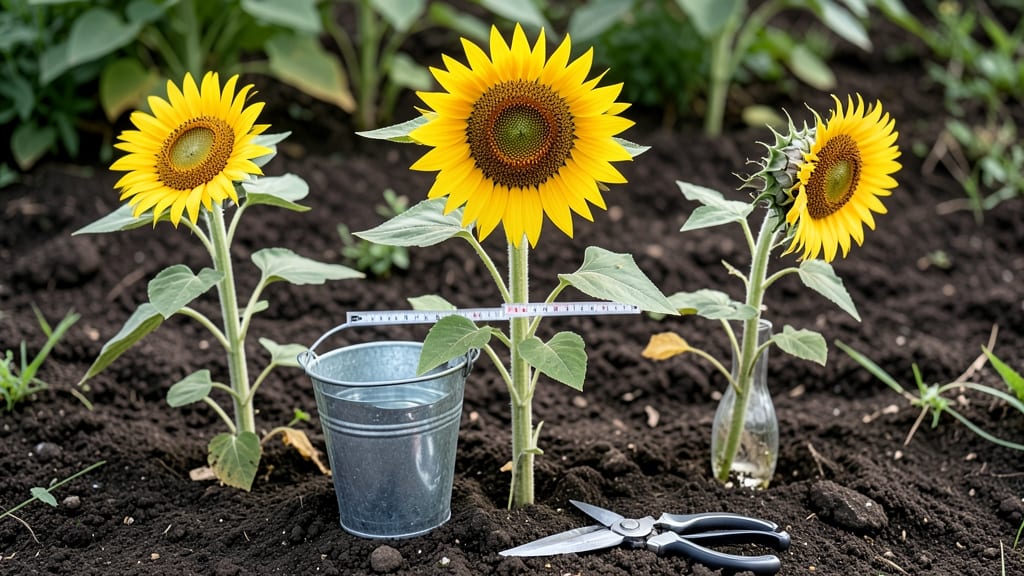
Harvesting sunflowers for cut flowers at the wrong time means bouquets that droop faster than a deflated balloon—but get this timing right, and you’ll enjoy vibrant stems that last for weeks in any arrangement.
The key is catching them in that sweet spot between bud and full bloom, when the back of the petals just starts turning yellow. This isn’t just guesswork—it’s about stem strength, and I’ll show you exactly how to test it so you never waste a single flower again.
Whether you’re a seasoned gardener or just planting your first sunflowers in April-May, this simple trick will transform your cut flowers from sad to stunning. Let’s dive into the secrets of the perfect harvest window.
You’ll learn the exact visual cues to watch for, the best time of day to cut, and how to handle them afterward for maximum vase life. No more wilted disappointments—just long-lasting beauty that keeps giving.

The perfect harvest window: ideal sunflower bloom stages for cut flowers
Sunflowers reach their peak vase life when harvested at the right bloom stage, not when they’re fully open. The golden harvest window occurs during partial bloom, when 1-2 rows of petals unfurl but the center remains tightly packed.
This stage ensures your cut flowers stay vibrant for 7-10 days in arrangements, not just 2-3 days.
Harvesting too early (closed buds) means underdeveloped stems that wilt quickly, while waiting too long (full bloom) leads to drooping petals and shorter vase life. The key is recognizing the visual cues that signal optimal timing—like pollen visibility and stem firmness—before the flower fully matures.
Why partial bloom? Sunflowers at this stage have maximum moisture content in their stems, which translates to longer hydration in vases. The pollen hasn’t fully released, meaning the flower’s energy is still focused on petal vibrancy rather than seed production. This is the sweet spot for cut flowers.
The partial bloom stage is your target because the stem’s vascular system is at its peak efficiency. At this point, the flower head weighs about 70% of its final mass, but the petals haven’t fully expended their energy yet.
This balance is what keeps your bouquets perfectly upright for weeks.
Look for these 3 key visual cues to confirm readiness:
- 1-2 rows of petals unfurling from the center,
- pollen visible but not dusting onto your fingers, and
- a stem that snaps cleanly when bent (not flexible like a green stem).
If the back of the petals starts turning yellow, you’ve missed the window.
Regional differences matter! In hotter climates (like USDA Zone 8+), sunflowers mature faster, so harvest 1-2 days earlier than the partial bloom stage. In cooler zones (like Zone 5-6), wait until morning dew has evaporated to check stems—condensation can mask their true firmness.
Pro tip: Harvest in the morning when stems are hydrated and cool. Use clean, sharp shears and cut stems at a 45-degree angle to maximize water uptake. Avoid harvesting after rain or wind, as this can introduce bacterial buildup in the stems.
Remember, the earlier you harvest in the partial bloom stage, the longer your vase life. A sunflower cut when just 1 row of petals unfurls will outlast one harvested with 2 rows open.
The sweet spot is when the center disk is still tightly packed but the outer petals show vibrant color.
Once you master this timing, your sunflowers will redefine bouquet longevity. The secret isn’t just the stage—it’s the combination of bloom cues and stem strength that guarantees your cut flowers stay fresh for weeks, not days. 🌻
Sunflower stem strength test: how to check for long-lasting cut flowers
Not all sunflowers make great cut flowers—some wilt within days, while others stand tall for weeks. The difference? A stem strength test that reveals whether your sunflower is ready for the vase. This simple 3-step method helps you avoid over-mature blooms that drop petals or underripe stems that flop.
Start by selecting a sunflower with fully open petals but where the back of the petals hasn’t fully yellowed. This stage—often called the partial bloom—is your sweet spot for vase life. Now, let’s test that stem to ensure it’s ready for cutting.
✅ When to Harvest Sunflowers for Cut Flowers
- 🌼 Bloom Stage: Petals fully open but back hasn’t fully yellowed
- ✂️ Stem Test: Snaps cleanly when bent (not flexible)
- 🌱 Leaf Health: Lower leaves intact, no browning or wilting
- ☀️ Time of Day: Cut in the early morning (6-8 AM)
- 🌡️ Weather: Harvest on cool, cloudy days to prevent stress
💡 Pro Tip: Avoid harvesting after rain—wet stems rot faster in vases.
First, perform the bend test. Gently bend the stem near the base—if it snaps cleanly (not bends), it’s ready. A flexible stem means it’s not mature enough for cutting.
This test ensures the stem’s vascular system is fully developed, which directly impacts how long it drinks water in the vase.
Next, do the snap test. Hold the stem firmly and give it a quick snap. If it breaks with a crisp sound and doesn’t splinter, it’s perfect. A hollow or mushy snap signals the stem is either overripe or diseased. Overripe sunflowers lose petals within 24 hours of cutting.
Don’t overlook the leaf inspection. Healthy sunflowers for cutting should have green, intact leaves all the way down the stem. Remove any leaves that touch the water to prevent bacterial growth, but keep the lower foliage for strength.
Yellow or brown leaves indicate stress or disease, which will shorten vase life.
Common mistakes like cutting at the wrong angle (diagonal cuts are best) or ignoring the stem’s maturity can ruin even the best sunflowers. Always use clean, sharp shears and recut the stems under water to maximize their drinking ability.
With these tests, your sunflowers will last 7-10 days—or longer with proper care.