
Flowers
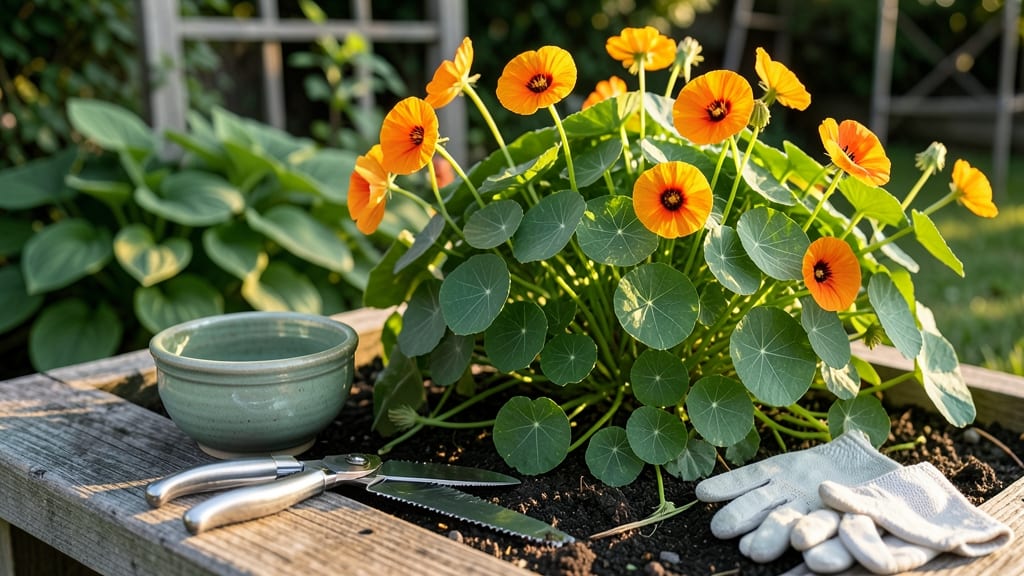
Harvesting nasturtium flowers at the perfect moment transforms your garden into a culinary treasure trove—think vibrant salads, peppery garnishes, and even homemade vinegars. But here's the catch: timing matters more than you'd think.
Pick too early, and you miss that signature tang; wait too long, and you lose both flavor and beauty.
I’ve spent years perfecting the art of harvesting 🌸 nasturtiums, and the key is knowing when those blooms are at their peak.
Whether you're growing them in USDA Zone 6a or a container on your patio, the right technique ensures you get the most from every flower without harming your plants. Let’s dive into the secrets that’ll have you harvesting like a pro.
You’ll learn exactly when to snip those delicate petals—morning vs. afternoon—and how to spot the ideal signs of readiness. Plus, I’ll share my go-to tools and storage tips to keep your harvest fresh longer. No more guesswork, just perfect, flavorful blooms every time.
Ready to turn your garden into a source of edible beauty? By the end, you’ll know not just when to harvest, but how to preserve those nasturtiums for months. Let’s get started—your taste buds (and pollinators!) will thank you.

When and how to harvest nasturtium flowers for culinary use
Harvesting nasturtium flowers at their peak ensures maximum flavor and beauty for your culinary creations. The best time to harvest is on a cool morning after the dew has dried but before the sun intensifies.
This timing preserves the peppery flavor and vibrant colors that make nasturtiums so special in salads and garnishes. I always aim for 6–9 AM, when the flowers are fully unfurled but haven’t wilted from afternoon heat.
For the most flavorful blooms, focus on fully open flowers with deep, consistent color. Avoid harvesting buds or half-open blooms, as they lack the full peppery kick. Look for petals that are slightly crisp to the touch—this indicates peak freshness.
I also check the stem flexibility: a good stem should snap easily when bent, signaling it’s ready for cutting.
🌼 5 Key Steps to Harvest Nasturtium Flowers Perfectly
-
1. Choose the Right Time
Harvest in cool morning hours (6–9 AM) for peak flavor and color. -
2. Select Fully Open Flowers
Pick blooms with deep, vibrant petals that are fully unfurled. -
3. Use Sharp Scissors or Fingers
Cut stems at a 45-degree angle 1–2 inches below the bloom to encourage bushier growth. -
4. Avoid Over-Harvesting
Leave at least 3–5 flowers per stem to support pollinators and plant health. -
5. Store Properly for Freshness
Rinse gently, pat dry, and store in a paper towel-lined container in the fridge for up to 5 days.
When harvesting, always use clean, sharp scissors or your fingers to avoid damaging the plant. I recommend cutting stems at a 45-degree angle about 1–2 inches below the bloom. This technique promotes bushier growth and prevents water from pooling on the stem, which can lead to rot.
If you’re harvesting by hand, gently pinch the stem just above a leaf node to encourage new blooms.
One common mistake I see is harvesting wilted or damaged flowers. These not only lack flavor but can also attract pests. Always inspect your blooms before cutting—discard any that look dull, spotted, or chewed.
Another pitfall is over-harvesting from a single plant. To keep your nasturtiums thriving, leave at least 3–5 flowers per stem to support pollinators and maintain the plant’s energy.
To preserve the vibrant color and peppery flavor of your harvest, handle the flowers gently. Rinse them briefly under cool water to remove dirt, then pat them dry with a paper towel.
Store them in a sealed container lined with a paper towel in the fridge for up to 5 days. For longer storage, you can dry the flowers by laying them flat on a screen in a dry, dark place for 3–5 days.
Once dry, store them in an airtight container away from light.
Did you know? Nasturtium flowers retain their color and flavor when dried, making them perfect for homemade potpourri or culinary infusions. I love adding dried nasturtiums to vinegars and oils for a unique peppery twist.
Just ensure they’re completely dry before storing to prevent mold. For best results, harvest in late morning when the essential oils are most concentrated.
If you’re growing nasturtiums in containers or hanging baskets, harvest with extra care to avoid disturbing the roots. I’ve found that dwarf varieties like 'Tumbling Waters' produce the most compact, easy-to-harvest blooms.
For larger varieties, like 'Empress of India,' use a small ladder or step stool to reach the top flowers without straining. Always harvest from the outermost blooms first to encourage a fuller plant shape.
For a continuous harvest, space your plantings 2–3 weeks apart throughout the growing season. This ensures a steady supply of fresh flowers from June to October in USDA Zone 6a.
I’ve also had success growing nasturtiums as interplanting companions with tomatoes and cucumbers—their peppery flavor deters pests naturally. Just remember to rotate your harvest locations to prevent soil depletion.
Ready to turn your garden into a culinary hotspot? Start harvesting those nasturtiums today, and don’t forget to share your blooms with pollinators by leaving some flowers behind. Your taste buds—and the bees—will thank you! 🌿
Harvesting nasturtium seed pods: step-by-step guide for saving seeds
Saving nasturtium seed pods is one of my favorite gardening secrets—it’s free, easy, and ensures you’ll have next year’s plants ready to grow. The key is timing: collect those pods before they split open and release their seeds naturally.
If you miss this window, you’ll end up with scattered seeds and fewer plants to harvest. I’ve saved seeds from my ‘Alaska’ variety for years, and the process is simpler than you’d think.
First, identify mature seed pods. They’ll start as small, green structures behind the flowers and gradually swell into plump, rounded pods. When fully mature, they’ll turn a papery brown color and feel firm to the touch. If you press gently, you might hear a slight crunch—they’re ready!
The best time to harvest is in late summer or early fall, typically August to September in USDA Zone 6a, just before the first frost.
🌱 Step-by-Step: Harvesting Nasturtium Seed Pods
-
1. Identify Mature Pods
Look for papery brown pods that feel firm and make a slight crunch when pressed. -
2. Harvest Before Splitting
Pick pods just before they crack open—usually in late August. -
3. Use Clean Scissors or Fingers
Cut stems 1 inch below the pod to avoid damaging the plant. -
4. Dry Pods Thoroughly
Spread pods on paper towels in a dry, dark place for 1–2 weeks. -
5. Store Seeds Properly
Once dry, crack open pods and store seeds in a paper envelope in the freezer for up to 3 years.
After harvesting, let the pods dry completely. I recommend laying them out on paper towels in a well-ventilated area away from direct sunlight for 1–2 weeks. This prevents mold and ensures the seeds inside stay viable.
Once fully dry, gently crack open the pods to release the seeds—you’ll find 3–5 seeds per pod, depending on the variety. For long-term storage, place the seeds in a paper envelope or small glass jar and store them in the freezer.
This extends their viability to 3 years or more.
One common pitfall is waiting too long to harvest the pods, which causes them to split open naturally. If this happens, you can still collect the seeds from the ground, but they may not store as well.
Another mistake is storing seeds in plastic, which traps moisture and reduces viability. Always use paper or breathable fabric for storage. I’ve also found that labeling your seed packets with the variety and harvest date saves headaches later—especially if you’re saving multiple types!
Why save nasturtium seeds? For starters, it’s cost-effective—a single plant can produce hundreds of seeds. Plus, homegrown seeds often perform better than store-bought ones because they’re adapted to your local climate.
I’ve noticed my saved seeds germinate faster and produce hardier plants than those from seed packets. Another bonus: nasturtiums are self-pollinating, so you don’t need to worry about cross-pollination affecting seed purity.
For best results, harvest seeds in the morning when humidity is low, and avoid days with high moisture. If you’re growing nasturtiums in containers, place a tray under the pods to catch any seeds that fall before you’re ready to harvest.
And if you’re new to seed saving, start with one variety to practice—like the ‘Jewel Mix’—before expanding to others. Your future garden (and wallet) will thank you! 🌻