
Blooming
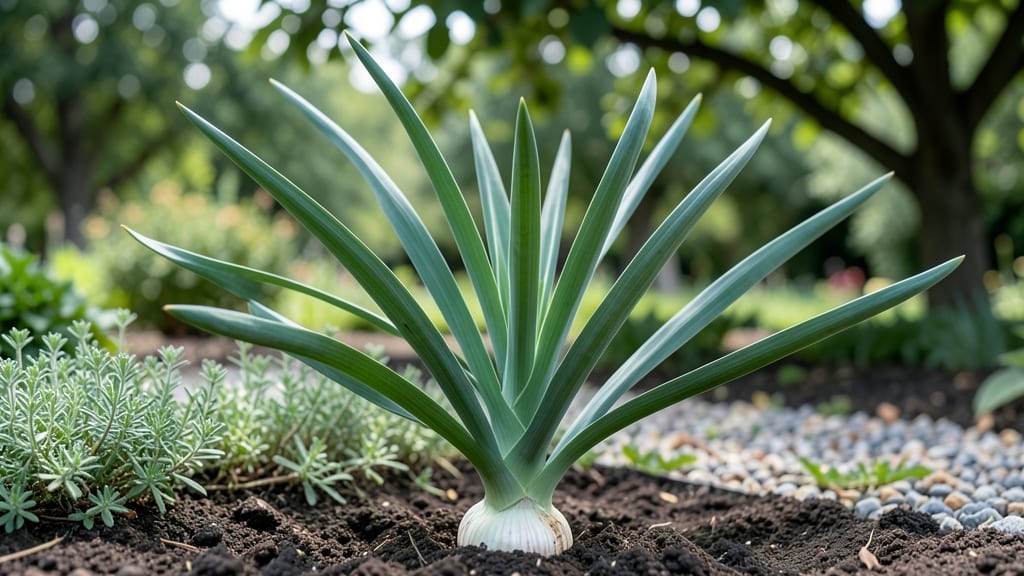
Harvesting allium greens before flowering isn’t just about timing—it’s about unlocking a sweeter, more tender flavor that keeps coming back for months.
When you cut those lush 🌷 leaves at the right moment, you’re not just getting fresh herbs; you’re extending your harvest season and giving your plants a second chance to thrive.
Most gardeners wait until the flowers bloom, but that’s when the greens start to toughen and lose their delicate taste. The key is to snip them back when they’re still vibrant and young, giving your alliums time to regrow before they shift their energy into blooms.
This simple trick works especially well in Zone 6a, where cool springs and mild falls create perfect conditions for repeated harvests.
If you’ve ever wondered why your alliums seem to fade after flowering, the answer lies in this pre-bloom stage. By mastering when to cut—whether it’s in early spring or late fall—you’ll turn those medium-height plants into a year-round green machine.
Let’s break down exactly when and how to do it without sacrificing future blooms.
Ready to transform your garden into a flavor factory? I’ll walk you through the best practices for harvesting, regrowth tips, and even which allium varieties respond best to this technique. Your taste buds (and future salads) will thank you!
When and how to harvest allium greens before flowering for peak flavor
Allium greens—like garlic chives and green onions—reach their peak flavor when harvested before flowering. This pre-flowering stage delivers tender, sweet leaves with minimal bitterness. The key is timing: harvest when leaves are 4-6 inches tall but before the flower stalk emerges.
Cutting at this stage encourages regrowth, giving you multiple harvests per season. I’ve found that patience here pays off with longer harvest windows and healthier plants.
To maximize flavor, focus on leaf thickness and stalk firmness. Thin, wiry leaves mean the plant is stressed, while thick, vibrant greens signal readiness. The ideal harvest window is typically 6-8 weeks after planting, but this varies by variety.
For example, Welsh onions often regrow faster than Egyptian onions. Understanding these cues ensures you never miss the sweetest, most tender harvest.
Now, let’s dive into the step-by-step process for harvesting allium greens without stressing your plants. Follow these steps to maintain plant health while enjoying a continuous supply of fresh greens.
Step-by-Step: Harvesting Allium Greens Before Flowering
-
Step 1: Identify Ready Leaves
Look for 4-6 inch tall leaves with thick, vibrant green stalks. Avoid harvesting if leaves are thin or yellowing.
-
Step 2: Use Sharp Scissors or Shears
Cut leaves 1-2 inches above the base using clean, sharp tools. This prevents damage to the regrowth point.
-
Step 3: Harvest Outer Leaves First
Prioritize outer leaves to protect the inner growth center. This method encourages fuller regrowth.
-
Step 4: Water Immediately After Cutting
Give plants a deep watering to reduce stress and promote faster recovery. Water in the morning to prevent fungal issues.
-
Step 5: Fertilize Lightly After 2-3 Weeks
Apply a balanced fertilizer (5-10-10) to replenish nutrients. Use half-strength to avoid burning the plant.
-
Step 6: Monitor for Flower Stalks
If a flower stalk emerges, cut it immediately to redirect energy to leaf production. This keeps your plant focused on greens.
After harvesting, your allium plants should bounce back within 2-3 weeks, especially if you’ve maintained proper watering and fertilization. I’ve seen garlic chives regrow so vigorously that they’re ready for another harvest just 4-6 weeks later.
The secret lies in gentle handling and consistent care—never yanking leaves or over-harvesting.
For continuous harvests, space out cuts every 3-4 weeks during the growing season. This rhythm keeps your plants productive without exhausting them. In my garden, Welsh onions harvested this way have lasted throughout the summer, providing fresh greens for salads and cooking long after store-bought options wilt.
One common mistake is waiting too long to harvest, allowing the plant to bolt (send up a flower stalk). Once bolting occurs, the leaves become bitter and tough, ruining the flavor.
Always check for tight buds or upright stalks—these are red flags that it’s time to stop cutting and let the plant focus on flowering.
To encourage regrowth, ensure your alliums have well-draining soil rich in organic matter. A light mulch around the base helps retain moisture while preventing weeds. I’ve noticed that plants in full sun (6+ hours daily) regrow faster and produce thicker leaves than those in shade.
Adjust your garden layout to prioritize sunny spots for alliums.
Finally, don’t forget to rotate harvest locations if growing in containers. Over-harvesting the same spot can deplete nutrients, leading to stunted growth. By following these steps, you’ll enjoy sweet, tender allium greens for months—far beyond what you’d get from a single harvest at flowering. Happy gardening! 🌱
Allium varieties that thrive when harvested early: flavor and regrowth comparison
Not all alliums respond the same way to early harvesting. Some varieties like garlic chives and green onions bounce back vigorously, while others like Welsh onions produce sweeter flavors when cut before flowering. Understanding these differences helps you plan your garden for continuous harvests without sacrificing plant health.
Harvesting allium greens before flowering unlocks milder, sweeter flavors and encourages regrowth. The key lies in choosing the right variety for your climate and harvest goals.
Let’s compare four top performers—garlic chives, green onions, Welsh onions, and Egyptian onions—based on their flavor profiles, regrowth potential, and ideal harvest cycles.
| Variety | Flavor Profile | Regrowth Potential | Ideal Harvest Cycle | Best For |
|---|---|---|---|---|
| Garlic Chives | Mild garlic, oniony | Excellent (3-4 cuts/year) | Every 4-6 weeks | Salads, garnishes |
| Green Onions | Mild, grassy, sweet | Good (2-3 cuts/year) | Every 3-5 weeks | Cooking, fresh eating |
| Welsh Onions | Strong onion, sweet when young | Moderate (2 cuts/year) | Every 6-8 weeks | Bulb development |
| Egyptian Onions | Mild, sweet, leek-like | Poor (1 cut/year) | Early spring harvest | Bulb production |
Garlic chives are my top pick for continuous harvests—they regrow aggressively and taste best when cut before flowering. Their mild garlic flavor makes them perfect for salads and garnishes. I’ve found that harvesting every 4-6 weeks keeps them productive all season long.
For a sweeter taste, green onions are hard to beat when harvested young. Their grassy, mild flavor intensifies if left to flower, so cutting them back before buds form ensures peak taste. These thrive in cool climates and can be harvested 2-3 times per year.
Welsh onions offer a stronger onion flavor but become sweeter when harvested early. Their bulb development is the priority, so limit cuts to 2 per year. I recommend harvesting in early spring for the mildest taste before their bulbs mature.
If you’re growing Egyptian onions for their leek-like flavor, focus on a single early harvest. These plants prioritize bulb production over regrowth, so avoid repeated cuts. Their sweetness peaks when harvested in early spring before flowering.
To maximize regrowth, always cut alliums 1-2 inches above the base and avoid harvesting more than 1/3 of the plant at once. This simple technique ensures your alliums stay healthy and productive for multiple harvests before flowering. 🌱