
Flowers
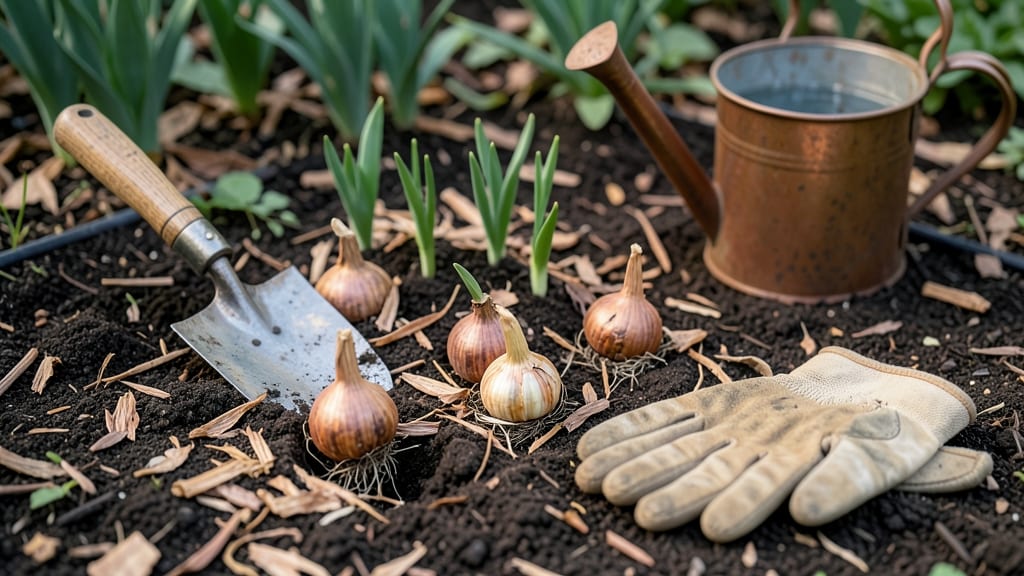
Timing your spring flower planting wrong can mean the difference between a garden bursting with 🌸 color and a sad, frost-nipped disappointment. If you've ever watched your delicate blooms shiver under a late frost or wondered why your neighbors' flowers are thriving while yours struggle, you're not alone.
The key to success lies in understanding your local frost dates and adjusting your planting schedule accordingly. In USDA Zone 6a, where many gardeners call home, the last frost typically arrives around mid-April—but that's just the starting point.
Whether you're planting hardy annuals like marigolds or tender perennials like peonies, knowing exactly when to get those seeds in the ground makes all the difference.
What I'm about to share will help you avoid common mistakes like planting too early (hello, frost damage) or too late (bye-bye, summer blooms).
We'll break down the best times to plant by month, how to adjust for early or late springs, and which flowers thrive when planted in each window—so you can enjoy a continuous parade of color from May through July.
Ready to transform your garden into a vibrant springtime masterpiece? Let's dive into the exact deadlines and strategies you need to make every plant count—no guesswork required.
USDA Zone-by-Zone deadlines for planting spring flowers
Timing your spring flower planting is like catching a wave—too early and frost will ruin your progress, too late and you miss the peak bloom season.
The USDA Plant Hardiness Zone Map gives us the exact last frost dates we need to plan around, but even within zones, microclimates can shift those deadlines by weeks.
For example, coastal areas in Zone 8 might have frost-free soil by February 15, while high-altitude gardens in the same zone could wait until April 1.
Annuals like marigolds and petunias are frost-sensitive and need to go in after all danger of frost has passed, while perennials like peony and bearded iris can handle cooler soil.
Even spring-blooming bulbs like tulips and daffodils benefit from planting in the fall, but their spring care starts as soon as the ground thaws.
Here’s your zone-by-zone planting timeline for spring flowers, including adjustments for high-altitude and coastal areas. Use these as your frost-free planting windows to maximize blooms without risking frost damage.
| USDA Zone | Last Frost Date (Avg) | Planting Window | High-Altitude Adjustment | Coastal Adjustment |
|---|---|---|---|---|
| Zones 3-4 | May 1 - May 15 | After May 15 | Wait 2-3 weeks longer | Plant by April 15 |
| Zones 5-6 | April 15 - April 30 | After April 30 | Wait 1-2 weeks longer | Plant by March 30 |
| Zones 7-8 | March 1 - March 15 | After March 15 | Wait 1 week longer | Plant by February 15 |
| Zones 9-10 | January 15 - February 1 | After February 1 | Minimal delay | Plant by January 1 |
| Zone 11 | No frost risk | Year-round (avoid summer heat) | N/A | N/A |
For Zone 3-4 gardeners, hardy annuals like snapdragons and stock can handle cooler soil, so you can start them indoors by March 1 for early blooms.
In Zone 5-6, pansies and violas thrive when planted as soon as the ground is workable, often by late March, while geraniums prefer to wait until mid-April.
In warmer zones like 7-10, the real challenge is avoiding summer heat stress. Plant heat-tolerant annuals like zinnia and cosmos in early spring (February-March) to beat the heat. Even perennials like black-eyed Susan benefit from early planting to establish roots before summer.
High-altitude gardens (1,000+ feet elevation) often experience later frost dates due to cooler temperatures. For example, a Zone 6 garden at 5,000 feet might not be frost-free until May 15, while a Zone 6 garden at sea level could plant by April 15.
Use a soil thermometer to confirm when soil temps reach 50°F for most flowers.
Coastal areas, especially in Zones 7-10, can have milder winters and earlier frost-free soil. In Southern California (Zone 9-10), you can plant tender annuals like <
How to adjust planting dates for early vs late springs
Spring weather can be as unpredictable as a whimsical breeze, leaving gardeners guessing whether to plant early or wait. If you're in an area with early springs, frost might still linger, while late springs risk delaying your summer blooms.
The key is flexibility—adjusting your planting dates based on real-time conditions rather than relying solely on USDA zone averages.
I’ve learned the hard way that even a week’s delay can mean the difference between a thriving garden and a sad, frost-nipped disappointment. Whether you're dealing with chilly mornings or unseasonably warm patches, these strategies will help you fine-tune your planting schedule for success.
Let’s dive into the tools and techniques that will give your flowers the best possible start.
- Use a soil thermometer to check when soil reaches 60°F—the ideal temperature for most spring flowers. Cold soil can stunt growth, even if air temperatures seem warm.
- Leverage microclimates in your yard, like sunny south-facing slopes or sheltered spots near buildings, which warm up faster than open areas.
- Extend your season with row covers or cold frames. These create a protective barrier against late frosts, allowing you to plant 2-3 weeks earlier.
- Start heat-loving flowers like marigolds or zinnias indoors 6-8 weeks before your last frost date. This gives them a head start in warmer conditions.
- Monitor local weather forecasts and adjust planting dates based on predicted frost risks. Apps like Old Farmer’s Almanac provide real-time updates.
If you’re in a late-spring region, focus on hardy annuals like pansies or sweet alyssum, which tolerate cooler temperatures. These flowers can handle light frosts, giving you a jumpstart on color. For tender perennials like geraniums, wait until nighttime temperatures consistently stay above 50°F.
Don’t forget about seed-starting indoors—it’s a game-changer for late springs. By germinating seeds under grow lights, you can transplant seedlings once the weather warms up, ensuring they’re already established. This method works especially well for longer-season flowers like cosmos or sunflowers.
Finally, keep a gardening journal to track your local frost dates and planting successes. Over time, you’ll notice patterns that help you refine your schedule. For example, my Zone 6b garden often sees a late frost around May 1st, so I’ve adjusted my planting dates accordingly.
Your observations will become your most valuable tool in beating unpredictable springs.
With these adjustments, you’ll turn even the trickiest spring weather into an opportunity for a longer, more vibrant blooming season. Happy planting! 🌸