
Flowers
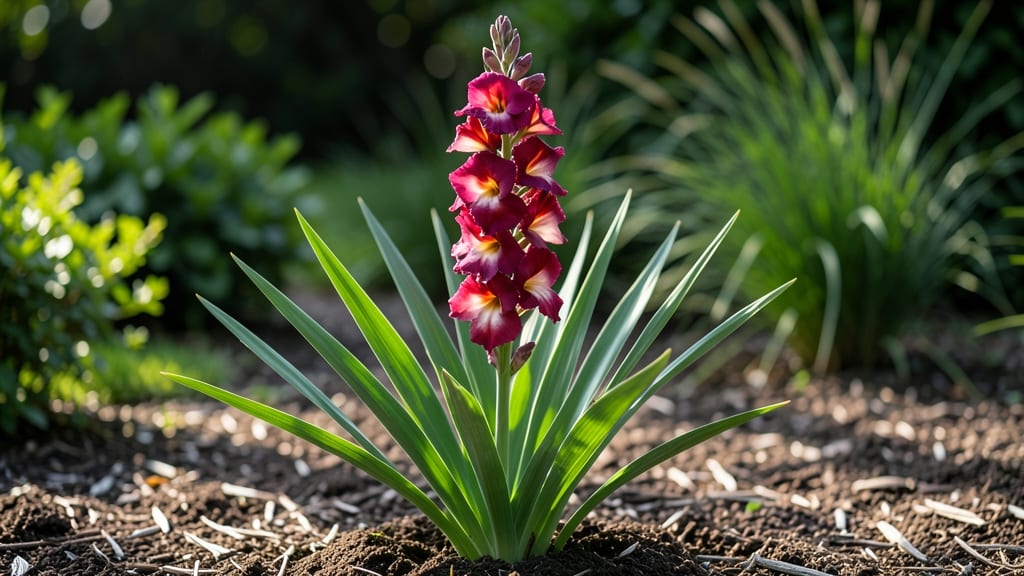
There's nothing like watching your garden transform with the bold spikes of gladioli 🌺 in full bloom—but timing those vibrant flowers just right can feel like guessing.
If you've ever planted these showstoppers only to wonder, "Why aren't they flowering when they should?", the answer lies in your USDA zone and a few key growing secrets.
The truth is, gladioli typically burst into color between July and September, but their exact bloom window shifts dramatically depending on where you live. In cooler zones like 6a, you might see early blooms in late July, while warmer regions can enjoy September showstops.
The difference comes down to planting time, soil warmth, and even variety choices—all factors you can actually control.
I’ll break down exactly when to expect those dramatic blooms in your area, plus 5 surprising factors that determine whether your gladioli arrive on time or run late.
Whether you're a first-time gardener or a seasoned pro, these insights will help you plan for a garden that stays stunning from summer straight through fall.
Ready to turn your gladioli from a maybe into a guaranteed garden highlight? Let’s dive into the science—and the simple tweaks—that make all the difference for your 🌺 season.
Gladioli blooming timeline by USDA Zone: month-by-month guide
Timing your gladioli blooms starts with knowing your USDA zone—because these showstopping flowers thrive on warmth, and their schedule shifts dramatically from north to south. In Zone 3-4, you’ll see late-summer blooms in August, while Zones 9-11 can enjoy flowers as late as October.
The difference comes down to soil temperature, daylight hours, and when you plant those corms—all factors I’ll break down for you.
Most gardeners plant gladioli in spring after frost, but the exact bloom window depends on your zone. For example, Zone 5 gladioli typically peak in mid-August, while Zone 8 varieties often stretch into September.
Understanding these patterns helps you choose varieties and adjust planting times to extend your garden’s color show.
Here’s the key: Gladioli need 90-120 days from planting to bloom, but cooler zones take longer. That means if you plant too early in Zone 6, your blooms might arrive in late September—just as fall chill sets in.
Warmer zones, however, can push blooms into October with the right care. Let’s dive into the month-by-month breakdown so you can plan your garden like a pro.
Notice how Zone 10-11 gladioli can bloom as early as May and stretch into November? That’s because warmer climates let you plant earlier and enjoy a longer season. If you’re in Zone 5, however, planting too early can delay blooms until late August—just as summer winds down.
The solution? Time your planting so blooms arrive when you need them most.
For example, if you want September color in Zone 6, plant corms in early May—not April. Cooler soil temperatures slow growth, pushing back bloom time by 2-3 weeks.
Conversely, in Zone 9, you can plant as late as June and still get flowers by September. This flexibility lets you extend your garden’s season with strategic planting.
Microclimates also play a huge role. A south-facing bed in Zone 7 might bloom 2 weeks earlier than a north-facing spot. Use this to your advantage: plant early varieties in cooler areas and late bloomers in heat pockets.
This creates a staggered bloom that keeps your garden vibrant from July through October.
One common mistake is assuming all gladioli bloom at the same time. In reality, early varieties like ‘Green Star’ can flower in July, while late bloomers like ‘Picasso’ may not peak until September.
Mixing these in your garden ensures continuous color. For Zone 5-6, aim for a July-August transition by planting early types in May and late types in June.
Soil temperature is the final piece of the puzzle. Gladioli corms need 60°F soil to sprout, which happens 2-4 weeks earlier in Zone 8 than in Zone 5. Use a soil
5 Factors that determine gladioli flowering time (and how to control them)
Gladioli are famous for their dramatic, sword-like blooms that light up gardens from late summer to fall, but their exact flowering time isn’t set in stone. In fact, 5 key factors determine when your gladioli will burst into color—and the good news is, you can control most of them.
Whether you’re aiming for early July blooms or pushing them into September, understanding these variables lets you fine-tune your garden’s timeline for maximum impact.
The first factor is planting depth. Gladioli corms need to be buried at the right level to trigger consistent growth. Plant them 4-6 inches deep—too shallow, and they’ll struggle to establish roots; too deep, and they may take longer to bloom.
I’ve found that 6 inches apart in rows gives them enough space to thrive without competing for nutrients.
Next up is soil temperature, which directly impacts root development. Gladioli need soil that’s warmed to at least 60°F (15°C) before planting. In cooler zones, this might mean waiting until mid-May, while warmer climates can start as early as April.
A simple soil thermometer helps avoid guesswork—just check before planting to ensure your corms get the jumpstart they need.
- 1. Planting Depth: 4-6 inches deep ensures proper root growth and consistent flowering. Deeper = delayed blooms; shallower = weak stems.
- 2. Soil Temperature: Wait until soil reaches 60°F (15°C). Cooler soils slow root development, pushing back bloom time by 2-4 weeks.
- 3. Sunlight Exposure: 6+ hours of direct sun is non-negotiable. Less light = leggy stems and fewer blooms. South-facing beds are ideal.
- 4. Variety Selection: Early bloomers like 'Green Star' flower in July, while late varieties like 'Picasso' shine in September. Mix them for extended color!
- 5. Post-Planting Care: Fertilize every 4-6 weeks with 10-10-10 and water deeply in the morning. Skipping care = smaller, later blooms.
Sunlight exposure is another game-changer. Gladioli are sun worshippers and need at least 6 hours of direct sunlight daily. I’ve seen dramatic differences in bloom quality when plants get full sun versus partial shade—leggy stems and fewer flowers are common in shady spots.
A south-facing garden bed is ideal, but even west-facing areas work if you supplement with a few extra hours of light.
Don’t overlook variety selection—this is the easiest way to control bloom timing. Early-season varieties like 'Green Star' typically flower in July, while late bloomers like 'Picasso' hold off until September.
I love mixing both in my garden to create a continuous show from summer through fall. Check seed packets for specific bloom windows to plan your palette.
Finally, post-planting care makes or breaks your gladioli’s schedule. Fertilize with a balanced 10-10-10 every 4-6 weeks during the growing season, and always water deeply in the morning to prevent fungal issues. I’ve noticed that plants with consistent care bloom 2-3 weeks earlier than neglected ones.
Even a small difference in timing can mean the difference between a garden that fades in August and one that stays vibrant through September.
With these five factors in mind, you can shift your gladioli’s blooming window by weeks—or even months—just by adjusting your approach. Try experimenting with planting depth, variety mixes, and sunlight spots to find the perfect timing for your garden’s needs.
The result? A stunning, extended display that keeps your outdoor space looking its best all season long. 🌺