
Blooming
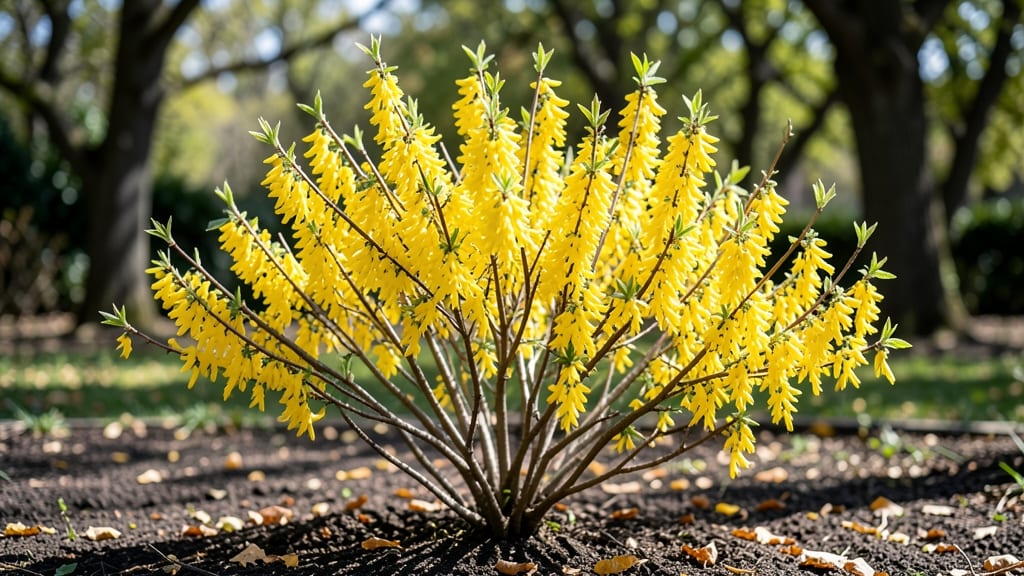
If your forsythia 🌸 hasn’t bloomed yet, you might be wondering when those bright yellow flowers will finally appear—because timing really matters for this early spring showstopper. The answer depends on where you live, with most gardeners in Zone 6a spotting those cheerful blossoms between late March and early April.
But here’s the thing: your exact location and even the specific variety can shift those bloom dates by weeks. Whether you’re in a cooler northern climate or a milder southern region, knowing these details helps you plan your garden for maximum impact.
In this guide, I’ll break down the exact months forsythia flowers in different USDA zones, plus what affects those timelines. You’ll also learn how to predict blooms in your area and troubleshoot if your shrub isn’t cooperating.
Get ready to time your garden’s spring highlight perfectly—because once those forsythia 🌸 flowers arrive, they’re worth the wait!
Forsythia flowering timeline by USDA Zone: exact months for peak blooms
Your forsythia’s 🌸 bloom timing hinges on your USDA zone, with cooler climates pushing flowers later and warmer zones triggering earlier displays. For example, gardeners in Zone 3 often see blooms in mid-April, while those in Zone 9 might spot them as early as February.
These variations occur because forsythia relies on chill hours and last frost dates to break dormancy.
Even within the same zone, microclimates—like urban heat islands or sheltered valleys—can shift bloom windows by 1-2 weeks. That’s why your neighbor’s forsythia might bloom weeks before yours, even if you’re just a few miles apart.
Understanding these patterns helps you plan companion plants and garden maintenance for the best seasonal impact.
Here’s the key: peak bloom typically lasts 2-3 weeks, but early bloomers (like ‘Spectabilis’) may start weeks before standard varieties. Late frosts can also delay blooms, especially in Zone 4-6, where winter weather lingers longer.
| USDA Zone | Typical Bloom Window | Early Bloomers | Late Bloomers | Climate Note |
|---|---|---|---|---|
| Zone 3 | Mid-April to early May | Late April (with warm winters) | Early May (cold springs) | Short growing season |
| Zone 4 | Late April to mid-May | Early April (mild winters) | Late May (late frosts) | Frost-prone |
| Zone 5 | Early to mid-April | Late March (urban heat) | Early May (rural areas) | Variable frost dates |
| Zone 6 | Late March to early April | Mid-March (sheltered spots) | Late April (late frosts) | Classic forsythia zone |
| Zone 7 | February to March | Late January (mild winters) | Early April (cooler microclimates) | Long bloom season |
| Zone 8 | January to February | December (early varieties) | March (higher elevations) | Minimal frost risk |
| Zone 9 | December to January | November (mild winters) | February (cooler areas) | Year-round growth potential |
| Zone 10 | November to December | October (early bloomers) | January (higher elevations) | Minimal seasonal change |
In Zone 3-5, forsythia often blooms right after the last frost date, signaling spring’s arrival. For example, in Zone 4, late-April blooms coincide with soil warming to 50°F. Meanwhile, Zone 7-10 gardeners enjoy earlier blooms because milder winters reduce dormancy periods.
Regional variations also matter. Coastal areas in Zone 9 might see forsythia bloom in December, while inland zones delay until January. Similarly, urban heat islands can push blooms 2 weeks earlier than rural areas in the same zone.
If you’re in Zone 6a (like many gardeners), expect peak blooms in late March to early April. This timing aligns with forsythia’s role as a spring harbinger, often blooming before leaves appear on trees.
To extend the display, plant early and late varieties together—like ‘Lynwood Gold’ (early) and ‘Northern Gold’ (late).
Climate shifts are changing these timelines. Warmer winters in Zone 5-6 now trigger earlier blooms, sometimes as early as February. However, late frosts can still damage buds, so monitor forecasts. In Zone 8-10, prolonged dry spells may delay blooms until adequate rainfall returns.
Pro tip: Use last frost dates as a rough guide. Forsythia typically blooms 2-4 weeks after the last frost, but this varies by variety. For example, ‘Diana’ blooms earlier than ‘Show Off’, which waits for warmer soil temperatures.
To maximize blooms, avoid <
How to predict forsythia blooms in your area: pro tips for gardeners
Predicting when your forsythia 🌸 will bloom isn’t just about checking a calendar—it’s about understanding your local climate patterns and plant behavior. While most gardeners in Zone 6a see those iconic yellow flowers between late March and early April, your exact timing depends on several factors.
I’ll show you how to use last frost dates, microclimates, and even your shrub’s age to estimate blooms with surprising accuracy.
Start by checking your local last frost date, which is the average date when temperatures stay above freezing at night. Forsythia blooms typically appear 2-4 weeks after this date, giving you a solid starting point.
For example, if your last frost is April 1, expect blooms between April 15 and May 1. Urban areas often bloom slightly later due to heat island effects, while rural spots may see earlier flowers thanks to cooler microclimates.
- 1 Last Frost Date: Forsythia blooms 2-4 weeks after your average last frost. Check your USDA zone map for precise timing.
- 2 Microclimates Matter: South-facing slopes bloom 1-2 weeks earlier than shaded areas. Urban heat delays blooms by 5-10 days compared to rural spots.
- 3 Plant Maturity: Mature shrubs (3+ years) bloom earlier than young plants. Expect first flowers on 2-year-olds by late April.
- 4 Pruning Impact: Late-winter pruning (after January 15) delays blooms by 10-14 days. Prune right after flowering for next year’s timing.
- 5 Variety Differences: 'Spectabilis' blooms earliest (late March), while 'Lynwood Gold' flowers 2 weeks later. Check your shrub’s tag!
Don’t overlook microclimates—your forsythia’s exact location can shift bloom times by weeks. A shrub planted against a south-facing wall may bloom 1-2 weeks earlier than one in a shaded backyard. Similarly, urban gardens often experience heat island effects, delaying blooms by 5-10 days compared to rural areas.
To account for this, adjust your expectations if you live in a city or near concrete surfaces that retain heat.
Your forsythia’s age also plays a crucial role. Young plants (under 2 years old) may not bloom at all, while mature shrubs (3+ years) typically flower earlier and more abundantly.
If you planted last year, expect your first blooms by late April, but don’t be surprised if they’re sparse. Patience is key—once established, forsythia becomes a reliable early spring performer.
One of the biggest mistakes gardeners make is pruning at the wrong time. If you prune your forsythia after January 15, you’ll likely delay blooms by 10-14 days because the plant needs time to develop flower buds.
Instead, prune right after flowering (late April to early May) to encourage next year’s blooms. This timing ensures your shrub has the entire growing season to prepare for another vibrant display.
Finally, remember that not all forsythia varieties bloom at the same time. 'Spectabilis' is an early bloomer, often bursting into color by late March, while 'Lynwood Gold' typically flowers 2 weeks later.
Always check the tag when purchasing to match your expectations with the variety. With these tips, you’ll predict your forsythia’s bloom time like a pro—and enjoy those cheerful yellow flowers right on schedule! 🌿