
Blooming
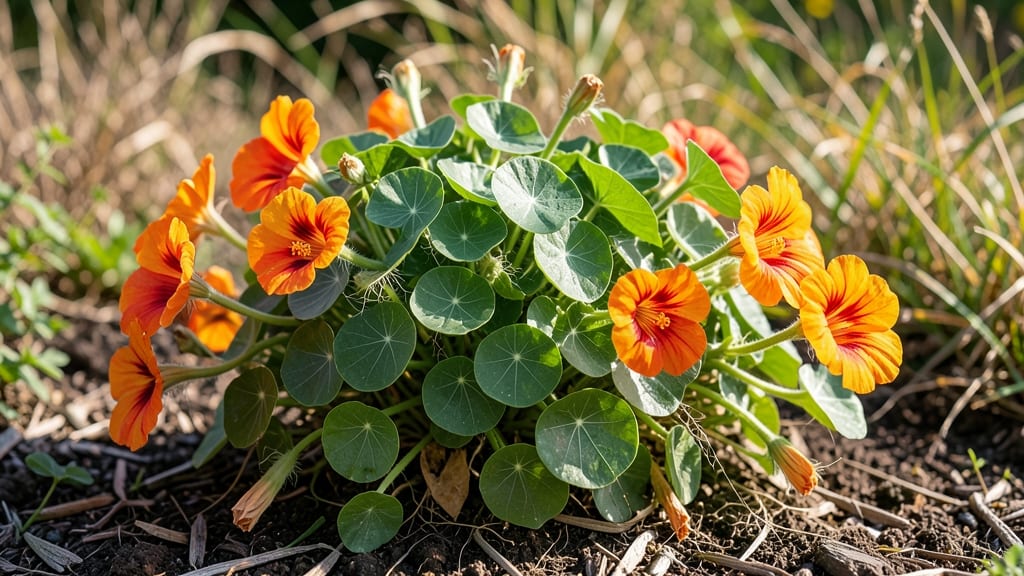
If you're eager to see your garden explode with color, when do nasturtiums flower is a question that holds the key to unlocking those cheerful blooms—but timing is everything.
These vibrant plants can appear as early as 3 weeks after planting, or they might take up to 8 weeks, depending on the variety and growing conditions you provide.
Understanding when nasturtiums flower isn't just about patience; it's about setting yourself up for success. Whether you're working with dwarf varieties that burst into bloom in early summer or taller types that shine through fall, knowing the right window makes all the difference in your garden planning.
I've found that the key to faster flowers lies in a few simple strategies—like choosing the right soil, giving them plenty of sunlight, and avoiding common mistakes that stall their growth. Let me walk you through exactly what works and how to keep those blooms coming all season long.
From the first bright orange or yellow petals to the last lingering bloom of autumn, nasturtiums reward gardeners who pay attention to their needs. Ready to learn how to coax the most vibrant display from your plants?
Let's dive into the timeline and tips that will transform your garden this year.
Nasturtium flowering timeline by variety: fastest to slowest bloomers
If you're eager to see those bright orange, red, or yellow nasturtium blooms as soon as possible, timing is everything! Some varieties burst into flower in just 3-4 weeks, while others take 8+ weeks to reach their peak.
The key lies in choosing the right Tropaeolum majus or alpine nasturtium for your garden's climate and timeline. I've grown both fast and slow varieties, and the difference in bloom time is stunning.
For container gardens or early-season color, focus on dwarf varieties like 'Tom Thumb' or 'Alaska Mix'. These compact beauties often flower in 4-6 weeks from seed, making them perfect for balcony gardens or window boxes.
Meanwhile, taller climbing types like 'Black Velvet' or 'Giant Red' take longer but reward you with prolonged blooms through fall.
🌱
My fastest bloomer is always the 'Tom Thumb' variety—I've seen bright orange flowers appear in just 21 days from seed when started indoors under grow lights. These compact plants are perfect for small spaces and early-season color.
If you're impatient like me, start seeds indoors 4-6 weeks before your last frost date for the earliest blooms.
For longer-lasting displays, I recommend mixing fast-blooming varieties like 'Alaska Mix' with later-season performers like 'Empress of India'. This creates a continuous bloom from early summer through frost. The secret? Plant successive batches every 2-3 weeks to stagger the flowering timeline.
🌿
If you're growing alpine nasturtiums (Tropaeolum nanas), be prepared for a longer wait—these cold-hardy beauties often take 8-10 weeks to bloom but reward you with prolonged fall color. They're perfect for
How to speed up nasturtium blooming: pro tips for faster flowers
If you're impatient for those cheerful nasturtium blooms to appear, you're not alone! The good news is that with the right approach, you can cut weeks off the typical flowering timeline.
I've learned through trial and error that nasturtiums respond beautifully to a few key growing conditions—especially sunlight exposure and soil preparation. The secret to faster blooms often lies in mimicking their natural habitat, which is typically well-drained, slightly acidic soil with plenty of warmth.
One of the first decisions you'll make is whether to plant in spring or fall. While spring planting is more common, fall-sown nasturtiums often bloom earlier the following season because they establish roots during cooler months.
I've had success with both methods, but my dwarf varieties consistently show blooms in as little as 3-4 weeks when started indoors under grow lights before transplanting.
🌱 5 Pro Tips to Speed Up Nasturtium Blooming
- 1. Plant in full sun: Nasturtiums thrive with 6-8 hours of direct sunlight daily. Choose the sunniest spot in your garden—this is non-negotiable for fast blooms.
- 2. Use well-draining soil: Amend your soil with compost or perlite to prevent waterlogging, which stalls growth. Nasturtiums hate soggy roots!
- 3. Sow seeds directly: Avoid transplant shock by planting seeds outdoors after the last frost. They germinate quickly in warm soil.
- 4. Deadhead regularly: Pinch off spent blooms to encourage new flowers. This simple step extends the blooming season by 3-4 weeks.
- 5. Skip heavy fertilizer: Too much nitrogen promotes leafy growth over flowers. Use a balanced 5-10-10 fertilizer sparingly during early growth.
Another game-changer is pruning techniques. I've found that gently pinching back the tips of young plants encourages bushier growth and more flowers. This works especially well for trailing varieties, which can become leggy without regular pruning.
Aim to trim back about one-third of the plant's height when you see the first buds forming—this redirects energy toward flowering instead of just foliage.
For those in cooler climates, consider fall planting as a strategy to jumpstart next year's blooms. Nasturtiums are cold-hardy and can overwinter in USDA Zone 6a or warmer. By planting seeds in late summer or early fall, you'll have a head start on growth when spring arrives.
I've seen fall-sown plants bloom as early as late May, compared to mid-June for spring plantings.
Finally, don't overlook the power of mulching. A 2-inch layer of organic mulch helps retain moisture and regulate soil temperature—both critical factors for faster blooming. I use straw or shredded leaves around my nasturtiums, keeping it clear of the stems to prevent rot.
This small step makes a surprising difference in how quickly your plants mature.
With these strategies in place, you'll be enjoying vibrant nasturtium blooms weeks ahead of schedule. The key is consistency—provide the right conditions, and your plants will reward you with a longer, more abundant flowering season. Happy gardening! 🌸