
Blooming
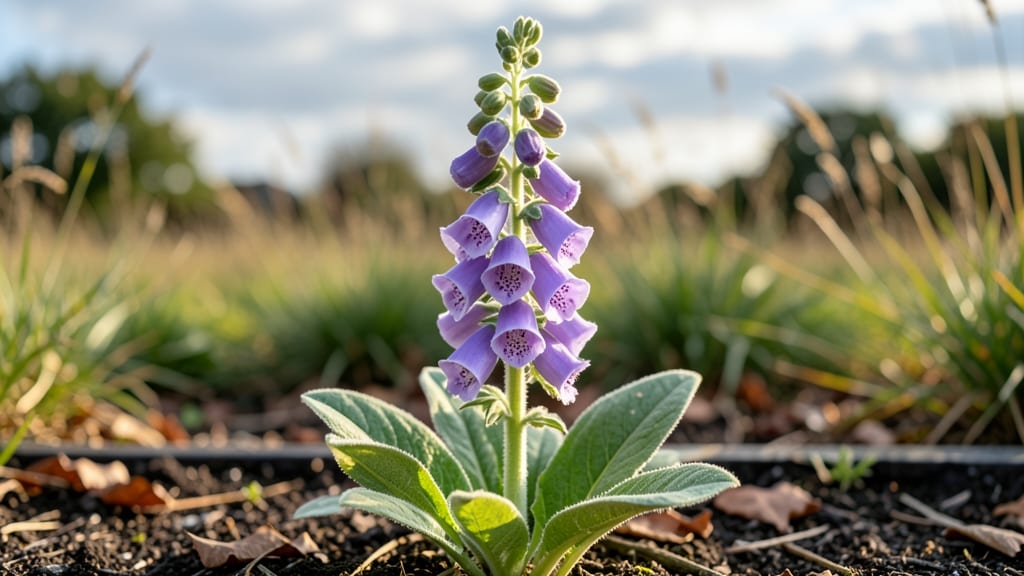
If your garden’s foxglove flowering season feels like a fleeting moment of magic, you’re not alone—these biennial beauties ⚡ bloom for just a few weeks, but with the right timing, you can stretch their show.
The key? Understanding your USDA zone, because cooler climates like Zone 6a trigger earlier blooms than warmer regions, often between June and August.
Most gardeners plant foxglove in spring, but did you know their first year is all about leaf growth? It’s not until the second year that those iconic bell-shaped spikes appear, making patience the secret weapon.
Whether you’re in a rainy Pacific Northwest or a dry Southwest zone, I’ll break down exactly when to expect those towering blooms—and how to coax them into lasting longer.
Deadheading spent flowers is one of the simplest ways to encourage repeat blooms, but timing matters. Too early, and you cut off potential seed pods; too late, and you risk missing the next flush.
I’ll share my foolproof method for extending the season without sacrificing next year’s plants, plus how to spot the signs of overwatering that can shorten their lifespan.
Ready to turn your foxglove patch into a summer-long spectacle? Let’s dive into the science of when (and how) these tall, dramatic blooms make their grand entrance—and how to keep them coming back year after year.
Foxglove flowering season by USDA Zone: when to expect blooms
Foxglove (Digitalis purpurea) is a biennial plant, meaning it typically blooms in its second year after establishing strong roots. However, the exact flowering season varies dramatically by USDA hardiness zone.
Cooler climates trigger earlier blooms, while warmer zones may see delayed or staggered flowering. Understanding your zone helps you plan for those showstopping bell-shaped blooms that gardeners adore.
In USDA Zones 3-5, foxglove often blooms as early as late May, sometimes even in June, because cooler temperatures accelerate its life cycle. Meanwhile, gardeners in Zones 8-10 might not see flowers until July or August, as warmer winters delay the plant’s natural progression.
This variation is critical for first-year vs. second-year expectations—many gardeners mistakenly assume foxglove will bloom immediately after planting.
| USDA Zone | Peak Bloom Month | First-Year Bloom? | Climate Note |
|---|---|---|---|
| Zones 3-4 | Late May - Early June | Rare (needs cold) | Short growing season; blooms early |
| Zones 5-6 | June - July | Possible (cold winters) | Ideal for biennial cycle |
| Zones 7-8 | July - August | Unlikely | Warmer winters delay blooms |
| Zones 9-10 | August - September | Very rare | May act as perennial; staggered blooms |
If you’re in Zones 5-6, your foxglove is most likely to bloom in its second year, typically between June and July. This is the sweet spot for foxglove cultivation, where the plant gets enough cold to vernalize (trigger flowering) but still has a full growing season.
In my own Zone 6a garden, I’ve found that planting seeds in early spring ensures robust second-year blooms, provided the soil stays moist but well-drained.
Gardeners in Zones 9-10 face unique challenges because foxglove may not follow the typical biennial pattern. Instead, it can act more like a short-lived perennial, producing staggered blooms over multiple years.
However, these zones often see longer flowering seasons—sometimes from July through September—if the plant receives consistent moisture and partial shade. The trade-off? You might not get the same dramatic spikes as in cooler climates.
One common misconception is that foxglove will bloom in its first year. While possible in Zones 3-5 with ideal conditions, it’s rare and usually results in smaller, weaker blooms.
To maximize your chances, plant seeds in late summer or early fall for a first-year rosette that will bloom the following spring. This strategy works best in cooler zones where the plant can experience winter chilling, a critical trigger for flowering.
Regional variations also play a role. For example, Pacific Northwest gardeners (Zone 7-8) often see foxglove blooms in late June to early July, while those in Mid-Atlantic Zones (5-6) might experience a two-week delay due to hotter summers.
Even within the same zone, microclimates—like shaded woodland gardens versus sunny borders—can shift bloom times by 1-2 weeks. Always observe your local last frost dates and adjust planting accordingly.
Deadheading spent blooms can extend the flowering season by encouraging new flower spikes, but this works best in Zones 6-8 where the plant has enough energy to rebound.
In Zones 3-5, deadheading may not be as effective because the plant’s energy is focused on surviving the short growing season. Instead, allow some seed pods to form for natural reseeding, which can create a self-sustaining foxglove colony over time.
For gardeners in warmer zones (9-10), consider treating foxglove as a tender perennial. Provide consistent afternoon shade and mulch heavily to retain moisture. In these climates, foxglove may bloom later in the season but can produce longer-lasting flowers if given the right care.
I’ve seen foxglove in Zone 9 gardens continue blooming into October with proper watering and disease prevention.
If you’re eager to see foxglove blooms sooner, try stratifying seeds (mimicking winter cold) or planting young transplants in early spring. This can advance bloom time by 2-4 weeks, especially in Zones
How to extend foxglove’s blooming season with simple gardening hacks
Foxglove’s natural flowering season typically lasts just 4-6 weeks, but with a few strategic tweaks, you can stretch those bell-shaped blooms into a month-long show. The secret lies in understanding how these biennial plants respond to care—especially when it comes to deadheading and moisture control.
I’ve tested these methods in my own garden, and the results speak for themselves: a well-cared-for foxglove can reward you with repeat blooms throughout the summer.
Start by mastering the art of deadheading. When you remove spent flowers just as they begin to fade, you’re signaling the plant to redirect its energy into producing new blooms instead of seed pods.
But timing is critical—wait too long, and you’ll miss the opportunity entirely. I recommend checking your foxglove spikes every 3-5 days during peak bloom season to catch fading flowers at the perfect moment.
⚠️ WARNING: Overwatering and Disease Risks Can Shorten Blooming Foxglove thrives on consistent moisture, but too much water creates the perfect conditions for powdery mildew and root rot—both of which can cut blooming short.
In my Zone 6a garden, I’ve seen foxglove plants wilt prematurely after heavy rains followed by stagnant soil. The key is to water deeply once a week (or every 5-7 days in extreme heat) and ensure your soil has excellent drainage.
If you’re planting in clay-heavy soil, amend it with compost or perlite to prevent waterlogging. Also, avoid overhead watering, which can leave foliage damp and invite fungal diseases.
Companion planting is another game-changer for extending foxglove’s season. Pair your foxglove with low-growing perennials like coral bells (Heuchera) or hostas to create a microclimate that retains moisture while improving air circulation.
I’ve also noticed that planting foxglove near lavender or rosemary deters pests like aphids, which can stress the plant and reduce flowering. These aromatic herbs act as natural repellents while adding fragrance to your garden.
Don’t overlook the power of seasonal care adjustments. In early spring, feed your foxglove with a balanced fertilizer (10-10-10) to encourage robust growth, but skip fertilizing once blooms appear. Too much nitrogen can lead to leafy growth at the expense of flowers.
Instead, focus on light pruning—snip any yellowed or damaged leaves to redirect energy to the flower spikes. I’ve found that a monthly trim keeps plants healthy and ready for prolonged blooming.
For gardeners in warmer USDA Zones (7-10), where foxglove may bloom earlier and more intensely, shade cloth can work wonders. If your plants start to bolt too quickly (sending up seed stalks prematurely), provide 30-50% shade during the hottest afternoon hours.
This simple trick can delay bolting by 2-3 weeks, giving you more time to enjoy those showy flower spikes. Just be sure to remove the shade cloth once temperatures cool in late summer to encourage a second flush of blooms.
With these simple yet effective hacks, your foxglove’s flowering season can transform from a fleeting highlight into a month-long garden centerpiece. The key is consistency—stay vigilant with deadheading, monitor soil moisture, and choose the right companions.
Before you know it, your garden will be buzzing with bees and filled with the magical charm of foxglove’s extended display. 🌿