
Light Requirements
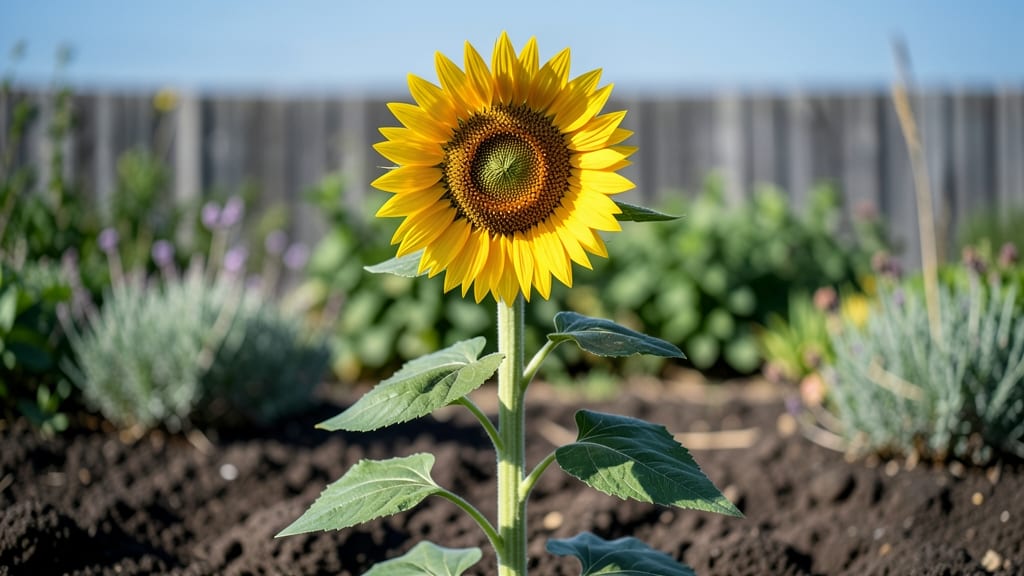
How many hours of sunlight do sunflowers need daily?
Sunflowers thrive under the sun’s brightest rays, but their exact light needs vary depending on the variety. Giant sunflowers demand the most sunlight—8 to 10+ hours daily—to reach their towering heights of 10 to 15 feet.
Meanwhile, dwarf varieties can tolerate slightly less, around 6 to 8 hours, while wild sunflowers often adapt to 4 to 6 hours in their natural habitats. Understanding these differences ensures your sunflowers grow strong and vibrant.
Sunlight needs aren’t static—they change as your sunflower matures. Seedlings require 4 to 6 hours of light to prevent leggy growth, while mature plants need full sun (6+ hours) to produce those iconic blooms.
Skipping this step can lead to weak stems, pale leaves, and fewer flowers. Think of sunlight as the fuel that powers their vertical growth and energy storage in seeds.
Not all gardens receive equal sunlight, so measuring exposure accurately is key. Use a sunlight tracker or observe your garden from 6 AM to 6 PM to note how many hours of direct light each spot gets.
South-facing areas in the Northern Hemisphere typically receive the most sunlight, while north-facing spots may struggle. If your garden only offers partial shade (3-6 hours), opt for dwarf sunflower varieties like 'Teddy Bear' or 'Moulin Rouge'.
| Variety | Sunlight Needs | Mature Height | Best For |
|---|---|---|---|
| Giant (e.g., 'Mammoth', 'Russian Giant') | 8–10+ hours | 10–15 ft | Full sun gardens, tall borders |
| Standard (e.g., 'Autumn Beauty', 'ProCut') | 6–8 hours | 6–10 ft | Cut flower beds, containers |
| Dwarf (e.g., 'Teddy Bear', 'Moulin Rouge') | 4–6 hours | 1–3 ft | Partial shade, patios, window boxes |
| Wild (e.g., Helianthus annuus) | 4–6 hours | 3–6 ft | Naturalized areas, meadows |
If your garden only offers partial shade, don’t despair—sunflowers can still thrive with adjustments. Dwarf varieties like 'Little Becka' or 'Sunspot' are perfect for 3 to 4 hours of sunlight, making them ideal for balconies or shaded corners.
For taller varieties, consider using reflective surfaces like white walls or mirrors to bounce extra light onto your plants. This trick can boost sunlight exposure by up to 20% in shaded areas.
Regional climate also plays a role in sunlight needs. In hot, dry climates like Arizona or California, sunflowers may need afternoon shade to prevent wilting, while in cooler regions like the Pacific Northwest, they’ll soak up every possible ray.
Always plant sunflowers after the last frost date in your area—typically late April to early May in most U.S. zones—to give them the full growing season in bright sunlight.
For container gardening, choose large pots (12+ inches deep) to accommodate deep roots and place them in the sunniest spot available. Rotate containers weekly to ensure even growth, as sunflowers naturally lean toward the light.
If growing indoors near a south-facing window, supplement with a grow light for 12–14 hours daily to mimic outdoor conditions.
Watch for signs of insufficient sunlight, such as stretched stems or pale yellow leaves. These are red flags that your sunflowers aren’t getting enough light. In such cases, move plants to a sunnier spot immediately or provide additional light sources.
Remember, sunflowers are heliotropic, meaning they follow the sun’s movement—this behavior is a clear sign they crave more light!
When planting sunflowers, space them 12–24 inches apart to prevent shading between plants. Overcrowding reduces air circulation and blocks sunlight from reaching the center stems. For maximum flower production, ensure each plant gets its fair share of sunlight.
In my own garden, I’ve found that spreading sunflowers in a grid pattern rather than rows allows even light distribution and healthier growth.
Finally, consider the time of year when calculating sunlight exposure. Summer days offer longer sunlight hours, while spring and fall provide shorter windows. If you’re in a high-altitude area, like Colorado or Utah, sunlight is more intense, so sunflowers may need afternoon shade to prevent leaf scorch.
Always monitor your plants and adjust their placement as the seasons change.
Signs your sunflowers aren’t getting enough sunlight (and how to fix it)
Sunflowers stretch toward the sun like eager children reaching for a treat, but when they don’t get enough light, their growth becomes a sad, leggy mess. Pale leaves, weak stems, and tiny blooms are all red flags that your sunflowers are starving for sunlight.
Even if you planted them in a sunny spot, nearby trees, buildings, or even your own tall plants can cast unexpected shade.
I’ve seen sunflowers in partial shade struggle to reach half their potential height, while their neighbors in full sun towered over them like skyscrapers. The difference isn’t just in size—it’s in vigor, flower quality, and even seed production.
If your sunflowers look more like sad stalks than cheerful giants, it’s time to investigate their light situation.
⚠️ Sunflower Light Emergency!
Sunflowers need 6-8+ hours of direct sunlight daily. Without it, they’ll show these 3 warning signs:
- 🌱 Leggy stems (stretching upward like they’re searching for light)
- 🌿 Pale, yellowing leaves (instead of deep green)
- 🌼 Small or no flowers (or flowers that wilt quickly)
Fix it fast: Move plants to full sun, use reflective surfaces, or add grow lights for indoor sunflowers.
One of the first signs your sunflowers are light-deprived is excessive stretching. Their stems elongate dramatically as they reach for any available light, often becoming thin and weak. This isn’t just unsightly—it makes them more prone to falling over or snapping in wind.
I’ve had to stake my sunflowers more than once when they grew too leggy from insufficient light.
Another dead giveaway is poor leaf color. Healthy sunflower leaves should be a rich, deep green, but when they’re not getting enough sunlight, they turn pale yellow or even purplish.
This happens because the plant can’t produce enough chlorophyll, the pigment responsible for photosynthesis. I once had sunflowers in a shady corner that looked more like bleached-out ghosts than vibrant plants.
If your sunflowers are flowering at all, their blooms will likely be smaller than expected and may not open fully. In extreme cases, they might produce no flowers at all, just a long, bare stem.
Sunflowers need plenty of light to bloom properly, and without it, they’ll focus all their energy on growing taller instead of producing flowers. This is especially frustrating if you’re growing sunflowers for seeds!
Don’t despair if your sunflowers are already showing these signs—there are simple fixes. First, assess their current location: Are there obstructions like trees, fences, or buildings blocking sunlight?
If so, consider relocating them to a sunnier spot. For container sunflowers, move them to a south-facing patio or balcony where they’ll get more direct light.
For indoor sunflowers or those in particularly shaded areas, grow lights can be a lifesaver. A simple LED grow light placed 6-12 inches above the plants for 12-16 hours daily can mimic sunlight and encourage healthier growth.
I’ve even used reflective surfaces, like white walls or aluminum foil, to bounce extra light onto my sunflowers and give them a little boost.