
Flowers
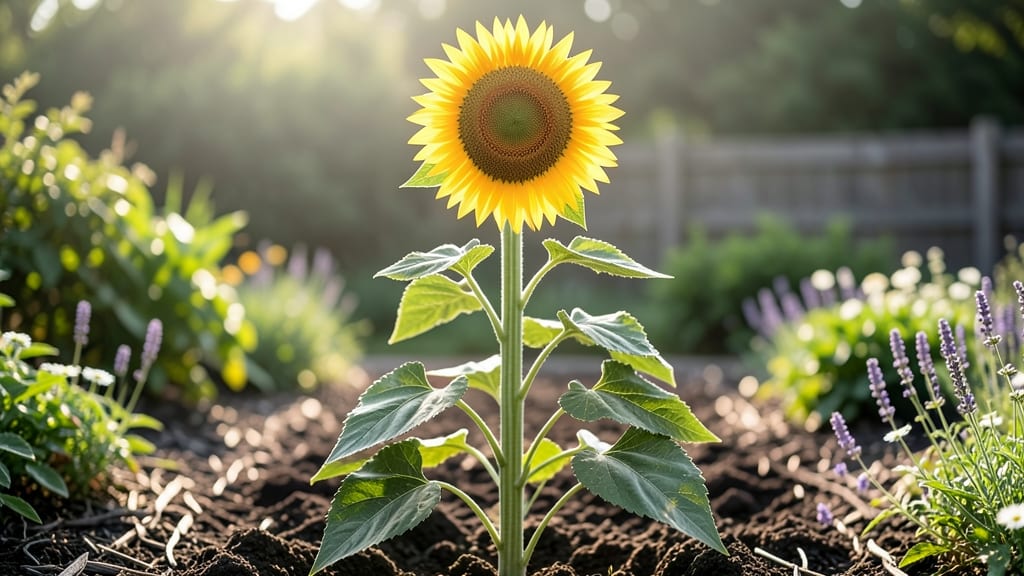
If you've ever wondered how tall Mammoth sunflowers 🌻 can grow, the answer might just redefine your garden dreams—these giants can stretch up to 16 feet or more, rivaling a two-story house!
Picture this: a sunflower so tall it towers over your fence, its golden blooms catching every ray of sunlight. But here's the catch—achieving that kind of height takes the right conditions, from soil prep to spacing.
I'll break down exactly what it takes to grow these towering beauties and when to expect those jaw-dropping heights.
Whether you're planning a dramatic backyard centerpiece or just curious about sunflower varieties, knowing the height range is key. Some Mammoth types like 'Russian Giant' can reach 12-15 feet in ideal conditions, while others stay closer to 8-10 feet.
Let's explore how to maximize their growth and avoid common pitfalls.
From planting in April-May to harvesting in late summer, I'll share the secrets to growing sunflowers that steal the show. Ready to transform your garden with these sun-soaked giants?


Mammoth sunflower height guide: exact growth ranges by popular varieties
If you're planning a sunflower garden that will turn heads, knowing the exact height ranges of Mammoth sunflower varieties is essential. These giants can reach heights that rival small trees, but not all varieties grow the same.
The Mammoth Russian and American Giant are the most famous, but their growth potential varies based on growing conditions and care. Understanding these ranges helps you choose the perfect variety for your space and design goals.
Most Mammoth sunflowers fall into the 10-16 foot range, but some exceptional plants can even surpass 18 feet under ideal conditions. For example, the 'Russian Giant' variety often hits 14-16 feet, while 'Mammoth Single' types may stay slightly shorter at 10-14 feet.
These differences matter when planning for trellises, fencing, or simply ensuring your sunflowers won't overshadow nearby plants.
Below is a detailed breakdown of the most popular Mammoth sunflower varieties, including their average height, maximum recorded height, and growth rates to help you plan your garden layout with confidence.
| Variety | Average Height | Maximum Height | Growth Rate | Best For |
|---|---|---|---|---|
| Mammoth Russian | 12-15 ft | 18+ ft | 2-3 ft/week | Large gardens, focal points |
| American Giant | 14-16 ft | 20+ ft | 2.5-3 ft/week | Tallest varieties, competitions |
| Russian Giant | 14-16 ft | 18+ ft | 2-3 ft/week | Dramatic displays, cut flowers |
| Mammoth Single | 10-14 ft | 16 ft | 1.5-2.5 ft/week | Smaller spaces, borders |
| Mammoth Yellow | 10-13 ft | 15 ft | 2 ft/week | Bright color accents, pollinators |
The 'American Giant' variety often takes the crown for the tallest Mammoth sunflowers, with some specimens reaching 20 feet or more in perfect conditions. This variety grows particularly fast, adding 2.5-3 feet per week during peak growth.
If you're aiming for record-breaking heights, this is the variety to choose—but be prepared for the space it will occupy!
For gardeners with slightly smaller spaces, 'Mammoth Single' varieties offer a more manageable height range of 10-14 feet. These sunflowers still make a striking statement but are easier to accommodate in suburban backyards or urban gardens.
Their slightly slower growth rate (1.5-2.5 feet per week) also makes them more forgiving for beginners.
When planning your garden, consider not just the height but also the stem diameter and flower size. Mammoth sunflowers often have 4-6 inch diameter blooms, which can weigh 2-3 pounds each.
This weight requires sturdy stems, so providing support stakes or planting near fences can prevent toppling in windy conditions.
Another key factor is the growth rate. Most Mammoth sunflowers reach 50% of their mature height in just 4-6 weeks, making them one of the fastest-growing annuals.
This rapid growth means you'll see dramatic changes in your garden within weeks, but it also requires consistent care to maintain their towering potential.
If you're growing Mammoth sunflowers for cut flowers or competitions, the 'Russian Giant' variety is a top contender. Its 14-16 foot range and large blooms make it ideal for floral arrangements and garden displays.
For a more compact yet impressive option, 'Mammoth Yellow' offers vibrant color without requiring as much space.
Remember that these height ranges are ideal conditions—factors like soil quality, sunlight exposure, and water availability can influence how close your sunflowers get to their maximum potential. With the right care, you could
How to maximize Mammoth sunflower height: proven care tips for towering blooms
Want to grow Mammoth sunflowers that reach their full genetic potential? The secret lies in creating ideal growing conditions from day one. These giants need more than just space—they thrive with rich soil, consistent moisture, and proper support.
I’ve grown these towering beauties for years, and I can tell you that soil quality alone can make a 5-foot difference in height!
Start by planting your seeds in well-draining soil mixed with compost. Mammoth sunflowers are heavy feeders, so amending the soil with aged manure or balanced fertilizer (like 10-10-10) gives them the nutrients they crave.
I always test my soil’s pH—aim for a neutral 6.0-7.0 range—because acidic or alkaline soil can stunt their growth dramatically.
- Plant seeds 1 inch deep and 18-24 inches apart to prevent overcrowding, which slows height growth.
- Ensure 6-8+ hours of direct sunlight daily—partial shade reduces height potential by up to 30%.
- Water deeply 2-3 times per week during dry spells, keeping soil consistently moist but not waterlogged.
- Install stakes or cages early (when stems reach 3 feet) to prevent wind damage and support towering growth.
- Fertilize lightly every 4-6 weeks with a balanced formula to fuel rapid vertical growth.
Sunlight is non-negotiable for Mammoth sunflowers. Without full sun exposure, their stems become weak and leggy, often reaching only half their potential height. I’ve seen plants in partial shade struggle to grow beyond 6 feet, while those in full sun hit 12+ feet.
If your garden lacks full sun, consider growing them in containers near a south-facing wall to maximize light.
Staking is another game-changer for maximizing height. These sunflowers can grow 2-3 inches per day during peak season, and without support, strong winds can snap their stems. I use bamboo stakes or tomato cages tied loosely to the stem with soft fabric strips.
This allows the plant to grow while preventing breakage—critical for varieties like 'Russian Giant' that top 15 feet.
Timing matters too. Plant seeds after your last frost date in April or May for the longest growing season. Early planting gives roots time to establish before summer heat sets in.
I’ve noticed that sunflowers planted in late May often mature 3-4 feet shorter than those started earlier due to reduced daylight hours.
Finally, don’t forget to harvest at the right time. For maximum height, allow flowers to fully mature before cutting. Look for brown centers and drooping petals—this signals the plant has reached its peak height potential. Once harvested, you’ll have stunning 12-16 foot stems perfect for drying or decorating!