
Mower
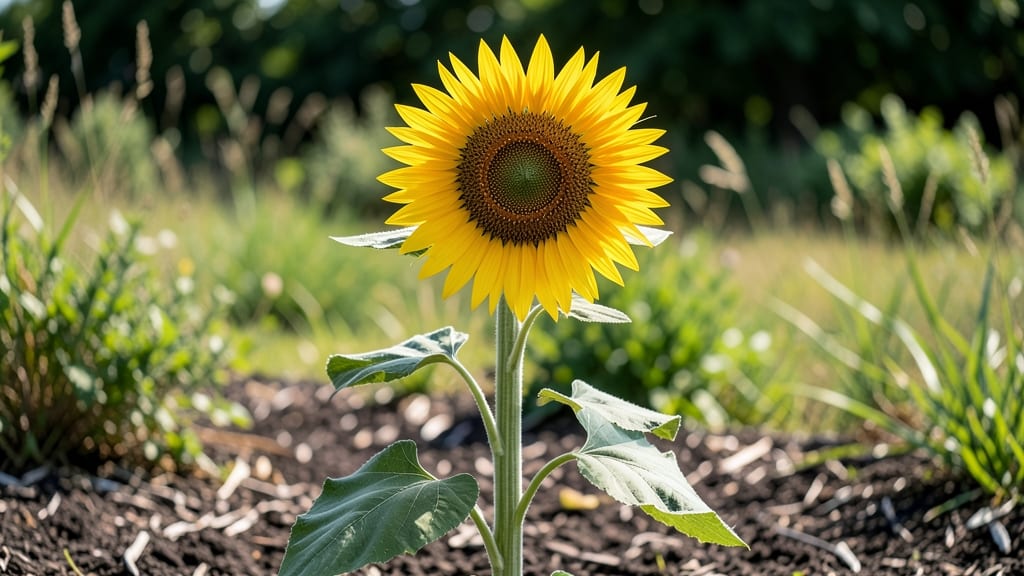
If you’re dreaming of sunflowers that reach toward the sky like skyscrapers, the Mammoth Russian sunflower 🌻 could be your garden’s next showstopper—but its 10–14-foot height means planning ahead is everything.
This isn’t just any sunflower; it’s one of the fastest-growing varieties, capable of outpacing even the tallest basketball hoops. But without the right care, its towering potential can turn into a floppy mess.
Whether you’re aiming for record-breaking blooms or just want a stunning focal point, understanding how to nurture its growth is the key.
From spacing secrets to staking strategies, I’ll break down exactly what it takes to help your Mammoth Russian sunflower hit its full height potential. You’ll also discover why this variety isn’t just about looks—it’s a magnet for pollinators and a breeze to harvest once you get the timing right.
Ready to grow a sunflower that commands attention? Let’s dive into the care tips that’ll have yours reaching for the clouds—literally.

How tall do Mammoth Russian sunflowers grow? Exact height ranges & growth factors
The Mammoth Russian sunflower is a true giant in the garden world, typically reaching heights between 10 and 14 feet under ideal conditions. This variety isn’t just tall—it’s one of the fastest-growing sunflowers, capable of shooting up 3–5 feet per month during peak growth.
But don’t let its impressive stature fool you; reaching this height requires the right combination of genetics, sunlight, and care.
While the average mature height falls between 10 and 14 feet, some exceptional specimens have been recorded at 15 feet or taller with optimal growing conditions.
These sunflowers aren’t just about height, though—their massive blooms can span 12–18 inches wide, making them a stunning focal point in any garden. Their towering presence also makes them a favorite for pollinators like bees and butterflies.
Genetics play a huge role in determining how tall your Mammoth Russian sunflower will grow. This variety is a heirloom cultivar bred specifically for its impressive height and vigor.
Unlike dwarf varieties, which max out around 3–5 feet, the Mammoth Russian’s tall, sturdy stems are designed to support its massive flower heads without toppling over—though they still need support in windy conditions.
| Growth Factor | Specifics | Impact on Height |
|---|---|---|
| Genetic Potential | Heirloom variety | 10–14 ft (can exceed 15 ft) |
| Sunlight Exposure | 6+ hours daily | Maximizes growth rate |
| Soil Quality | Well-draining, nutrient-rich | Supports stem strength |
| Spacing | 2–3 ft apart | Prevents overcrowding |
| Watering | Deep, consistent | Encourages rapid growth |
| Climate | Warm, long growing season | Full height potential |
Climate is another critical factor in determining how tall your Mammoth Russian sunflower will grow. These sunflowers thrive in USDA zones 4–9, where they have a long, warm growing season to reach their full height.
In cooler climates, growth may slow, resulting in slightly shorter plants—typically 8–10 feet—unless you use season extenders like row covers or start seeds indoors.
Proper spacing is essential to maximize height. Planting Mammoth Russian sunflowers too closely can lead to overcrowding, weakened stems, and reduced airflow, all of which stunt growth.
Aim for 2–3 feet of space between plants to give them room to stretch toward the sun without competing for nutrients or light. This spacing also makes it easier to monitor for pests and diseases, which can otherwise limit their towering potential.
Sunlight is non-negotiable for these giants. Mammoth Russian sunflowers require at least 6–8 hours of direct sunlight daily to grow to their full height. Without enough light, they’ll grow leggy and weak, often maxing out around 6–8 feet.
If your garden doesn’t get full sun, consider growing them in containers and moving them to a sunny spot during the day, or plant them near a south-facing wall or fence to maximize sunlight exposure.
Soil quality directly impacts how tall your sunflowers will grow. These heavy feeders need well-draining, nutrient-rich soil with plenty of organic matter. Amend your soil with compost or aged manure before planting to provide the nutrients they need for rapid growth.
A soil pH between 6.0 and 7.0 is ideal, as this range ensures they can absorb essential nutrients like nitrogen, phosphorus, and potassium efficiently.
Wind can be both a friend and a foe to Mammoth Russian sunflowers. While a gentle breeze can help pollinate their massive blooms, strong winds can cause them to lean or snap, especially as they near their full height.
If you live in a windy area, consider staking or trellising your sunflowers early in their growth to provide support. You can use bamboo stakes, metal cages, or even repurpose old garden fencing to keep them upright and on track for maximum height.
Finally, remember that patience is key when growing Mammoth Russian sunflowers. These giants take 90–120 days from seed to maturity, so don’t expect instant results.
By providing the right conditions—sunlight, space, nutrients, and support—you’ll give them the best chance to reach their full 10–14-foot potential and become the star of your garden.
5 Proven tips to grow a record-breaking Mammoth Russian sunflower
The Mammoth Russian sunflower isn’t just tall—it’s a growth powerhouse that can reach 14 feet or more with the right care. To unlock its full potential, start with soil prep that mimics its native steppe conditions.
These sunflowers thrive in loose, fertile soil with excellent drainage, so amend your garden beds with compost and sand if your native soil is heavy or clay-like.
Timing your planting is another game-changer. Sow seeds after your last frost date when soil temperatures hit 55°F or warmer. For maximum height, plant in late spring—this gives the plant enough time to establish deep roots before summer’s peak growth phase.
In cooler climates, consider starting seeds indoors 4-6 weeks before transplanting.
Staking is non-negotiable for these giants. Use bamboo stakes or metal cages inserted 6 inches deep at planting. Secure the main stem loosely with soft fabric ties—tightening too soon can restrict growth. As the sunflower grows, adjust ties to prevent stem damage, but avoid constricting the plant’s natural movement.
Nutrition plays a critical role in height. While Mammoth Russians aren’t heavy feeders, they do need phosphorus and potassium to support their rapid vertical growth. Apply a balanced 5-10-10 fertilizer at planting, then side-dress with compost or worm castings every 4–6 weeks.
Avoid over-fertilizing—excess nitrogen will produce lush foliage but weak stems.
Finally, pay attention to seasonal timing. Planting too early can lead to bolting (premature flowering), while late plantings may not reach their full height before frost.
Aim for late May to early June in most climates. In warmer regions, you can extend planting into early July for a second flush of growth.
With these tips, your Mammoth Russian sunflower will grow taller than ever—turning your garden into a sunflower skyscraper! 🌻