
Trees
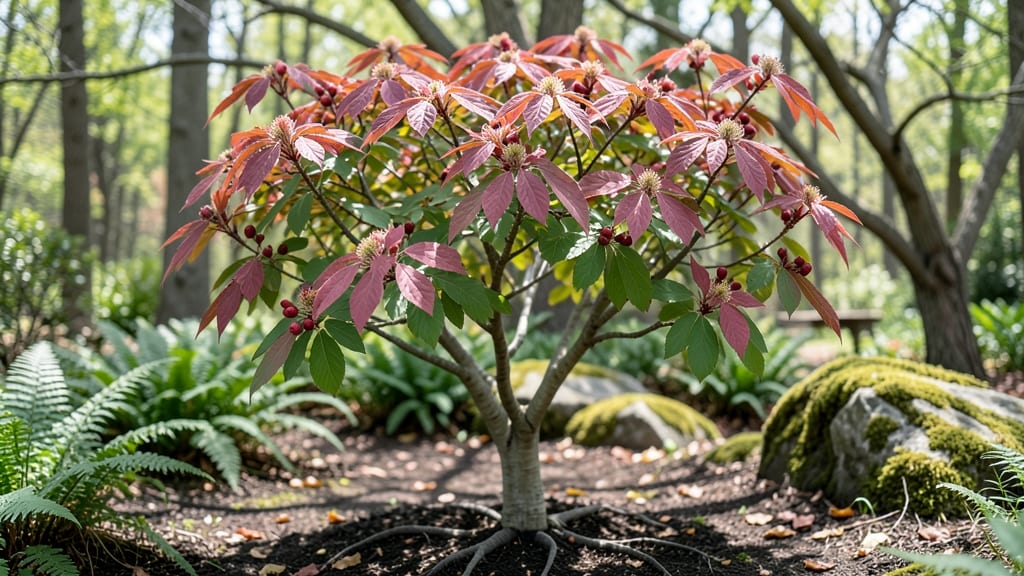
Flowering dogwood growth rate by year: height and spread projections
If you've planted a flowering dogwood (Cornus florida), you're likely eager to see it mature into that stunning shade tree with showstopping blooms. On average, these trees grow at a moderate pace, with height gains of 1-2 feet per year during their early years.
By year 5, you'll notice more dramatic changes as the tree establishes its root system and canopy. Understanding these growth projections helps you plan for pruning, spacing, and landscape integration.
The spread of a flowering dogwood is just as important as its height. While the trunk grows upward, the tree's canopy expands gradually, typically matching its height by maturity. For example, a 20-foot-tall dogwood will often have a 15-20-foot spread, creating that picturesque rounded shape.
This growth pattern makes dogwoods ideal for small to medium-sized yards where space is limited but beauty is paramount.
Here’s a detailed breakdown of what to expect each year, including how climate, soil quality, and sunlight can accelerate or slow growth:
| Year | Height (ft) | Canopy Spread (ft) | Growth Rate (ft/year) | Key Milestones |
|---|---|---|---|---|
| 1 | 2-4 | 2-3 | 2-4 | Establishes roots; first blooms possible |
| 2 | 6-10 | 4-6 | 4-6 | Regular blooming begins; trunk thickens |
| 3 | 10-15 | 6-10 | 3-5 | Canopy fills out; shade begins |
| 5 | 15-20 | 10-15 | 2-3 | Mature blooms; full shade coverage |
| 10 | 25-35 | 15-25 | 1-2 | Peak maturity; minimal height growth |
| Mature (20+) | 20-40 | 15-30 | 0.5-1 | Stable growth; focus on pruning |
Climate plays a huge role in growth speed. Dogwoods thrive in USDA zones 5-9, where they experience mild winters and warm summers. In colder zones (like 4 or 5), growth may slow during harsh winters, while warmer climates (zones 7-9) can accelerate early-year growth by 20-30%. For example, a dogwood in zone 8 might reach 10 feet in 3 years, while one in zone 5 could take 4-5 years to hit the same height.
Soil quality is another critical factor. Dogwoods prefer well-draining, slightly acidic soil (pH 4.5-6.0). If your soil is clay-heavy or alkaline, growth will slow significantly. Amending the soil with compost or peat moss can boost growth by up to 50% in the first 2 years.
I once had a dogwood planted in heavy clay—it took 5 years to reach 8 feet, but after adding compost, it grew 3 feet in just one season.
Sunlight exposure also impacts growth rates. While dogwoods tolerate partial shade, they grow 25% faster with 4-6 hours of morning sun. Full shade can stunt growth, while afternoon sun may scorch leaves. In my garden, a dogwood planted under dappled shade from oak trees grew 1 foot taller per year than
Fastest-growing dogwood varieties compared: growth rate breakdown
Not all flowering dogwoods grow at the same pace—some varieties like 'Cherokee Brave' shoot up 3 feet per year in ideal conditions, while others take their time. If you want quick shade and stunning blooms faster, choosing the right cultivar makes all the difference.
Let’s break down the top performers by growth speed, mature height, and the conditions that help them thrive.
For gardeners short on patience, 'Purple Smoke' stands out with its 12-inch annual growth and deep purple foliage that pops against spring blooms. Meanwhile, 'White Dove' offers classic white flowers but grows slightly slower at 10 inches per year.
The key? Matching your variety to your yard’s sunlight and soil moisture for optimal results.
| Variety | Annual Growth Rate | Mature Height | Sunlight Needs | Soil Moisture |
|---|---|---|---|---|
| 'Cherokee Brave' | 12–18 inches | 15–25 feet | Partial shade | Well-drained, moist |
| 'Purple Smoke' | 10–14 inches | 15–20 feet | Partial shade | Moist, rich soil |
| 'White Dove' | 8–12 inches | 20–30 feet | Full sun to partial shade | Moderately dry |
| 'Stella Compacta' | 6–10 inches | 8–12 feet | Partial shade | Moist, well-drained |
Fast growth isn’t just about height—it’s also about how quickly a dogwood fills out its canopy and starts producing showy blooms. For example, 'Cherokee Brave' not only grows tall but develops a dense, rounded shape within 5 years, making it perfect for quick privacy screens.
In contrast, 'White Dove', while slower, rewards you with larger flowers and a taller stature over time.
To maximize growth, prioritize well-draining soil with a pH of 5.0–6.5 and mulch heavily around the base to retain moisture. Avoid soggy roots, which can stunt growth or invite pests.
If your yard has clay-heavy soil, amend it with compost to improve drainage and aeration—this alone can boost growth by 20–30%.
For urban gardeners with limited space, 'Stella Compacta' is a game-changer. This dwarf variety matures at just 8–12 feet but still delivers vibrant spring blooms and glossy foliage. Plant it near patios or walkways where its compact form won’t overwhelm smaller landscapes.
Just remember: even fast growers need 2–3 years to establish strong roots before hitting their stride.
Pro tip: If you’re planting in full sun, water deeply 2–3 times per week during the first growing season to encourage rapid root development. Once established, most dogwoods tolerate drought-like conditions, but young trees thrive with consistent moisture.
Pair your chosen variety with a balanced fertilizer (like 10-10-10) in early spring to fuel faster growth.