
Flowers
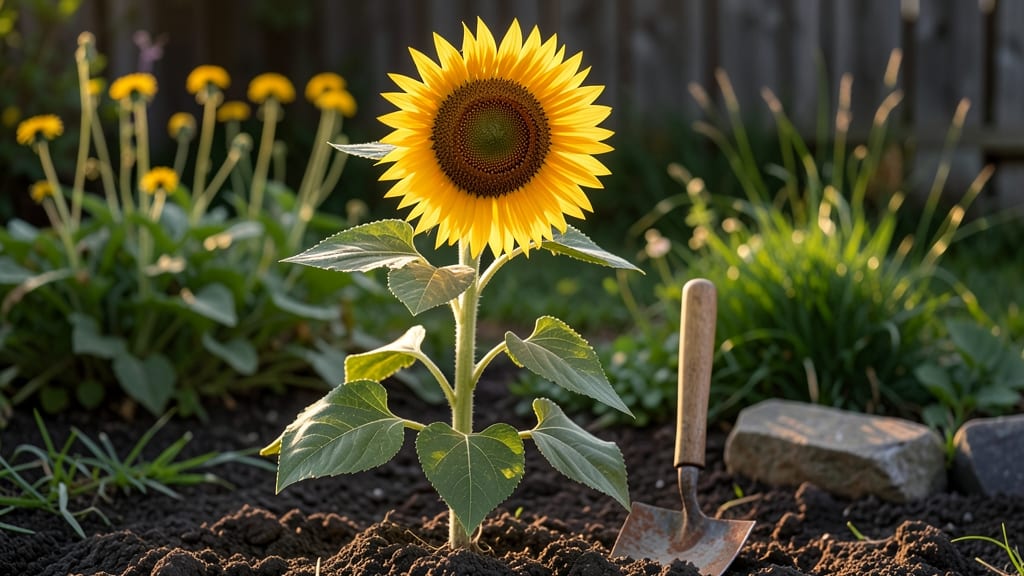
To plant sunflowers in Utah and guarantee those towering 🌻 blooms you’ve been dreaming of, timing is everything—especially when last frosts linger into May and summer heat arrives early.
Most gardeners in Utah’s USDA Zones 5-7 wait until mid-April to mid-June to sow seeds, but regional differences matter. Northern areas like Salt Lake City play it safe with late-April starts, while southern Utah’s St. George can push planting into early June without fear of frost.
Why does this matter? Planting too early risks frost damage, while waiting too long cuts your harvest short. I’ll break down the exact frost-free windows for your area and share cold-hardy varieties that beat Utah’s unpredictable weather.
Whether you’re a first-time gardener or a seasoned pro, these insights will help you grow sunflowers that reach their full 10+ foot potential—no guesswork required.
Utah’s Ideal sunflower planting timeline by region (frost dates & microclimates)
Utah’s diverse climate means sunflower planting times vary dramatically from the cool mountain valleys of Park City to the hot deserts of St. George.
In Northern Utah, where frosts linger until mid-May, I recommend waiting until late April to early May—but Southern Utah’s earlier last frost dates (early April) let you plant as late as early June without risk.
High-altitude areas like Moab and Park City (elevation 4,000–8,000 ft) face shorter growing seasons, so I prioritize early-maturing varieties (50–60 days to harvest) to avoid fall frosts. Meanwhile, lower elevations like Ogden and Cedar City can support taller, late-blooming varieties that thrive in Utah’s long, hot summers.
Key to success? Check your local frost dates—Utah’s USDA Zones 5-7 range from 100 to 165 frost-free days. I’ll break down the exact planting windows for your region, so you can avoid frost damage and maximize bloom time.
For Northern Utah gardeners in Salt Lake or Ogden, I start seeds indoors in early April and transplant after the last frost (mid-May). This gives sunflowers a head start before Utah’s hot July temperatures peak. I’ve seen Russian Giant varieties reach 12 feet when planted this way!
In Southern Utah’s desert climate, I push planting later—sometimes as late as early June—because the soil warms faster. St. George’s 100+ degree days in summer mean I focus on heat-resistant varieties like ‘Autumn Beauty,’ which blooms later and handles the heat better.
High-altitude areas like Park City require extra caution. The short growing season (only ~100 frost-free days) means I stick to early-maturing varieties (50–60 days) like ‘Moulin Rouge.’ I also use black plastic mulch to warm the soil faster and extend the season by 2–3 weeks.
Pro tip: Use a soil thermometer to confirm soil temps are above 50°F (10°C) before planting—cold soil delays germination. I’ve had seeds rot when planted too early in Ogden’s chilly springs, so always wait for that warm-up!
Remember, Utah’s microclimates can vary even within cities. A south-facing slope in Park City might be 5°F warmer than a north-facing yard, giving you an extra week of growing time. Observe your own space for 2–3 years to refine your planting schedule.
Finally, don’t forget succession planting! In Southern Utah, I plant a second batch in early July for late-summer blooms, while Northern Utah gardeners might try row covers to extend the season into September.
With the right timing, you’ll have sunflowers blooming from June to October—no matter where you garden in Utah.
Cold-hardy sunflower varieties that thrive in Utah’s early spring & late fall
Utah’s unpredictable climate means choosing the right sunflower varieties can mean the difference between wilted seedlings and towering blooms. I’ve grown sunflowers in Utah for years, and these five cold-hardy varieties consistently deliver—whether you’re planting in early spring or extending your season into late fall.
For early spring planting, I recommend starting with varieties that tolerate light frosts and mature quickly. These include ‘Moulin Rouge’ and ‘Autumn Beauty’, both of which can handle Utah’s late-April frosts while still producing vibrant blooms by summer.
When to plant sunflowers in Utah depends on the variety, but most thrive when sown after the last frost date. Here’s a quick guide to planting times for these cold-hardy picks:
- ‘Moulin Rouge’ (50–55 days) – Plant late April to early May for early blooms; tolerates 32°F (0°C) frosts.
- ‘Russian Giant’ (80–100 days) – Start mid-May to early June for full growth; handles cooler nights better than most.
- ‘Autumn Beauty’ (60–70 days) – Ideal for late-summer planting (July) or extended fall harvests; drought-resistant.
- ‘Teddy Bear’ (55–60 days) – Compact and frost-tolerant; perfect for container gardening in Utah’s high-altitude areas.
- ‘Mammoth’ (90–120 days) – Plant late May for late-summer blooms; needs consistent moisture but thrives in Utah’s heat.
The ‘Russian Giant’ is my go-to for cold tolerance, often surviving 28°F (-2°C) temperatures without damage. Its giant blooms (up to 16 inches wide) make it a showstopper, and it’s perfect for Utah’s shorter growing season in northern regions like Salt Lake City.
For late-season planting, ‘Autumn Beauty’ shines. Its heat resistance and drought tolerance let it thrive even as Utah’s summers stretch into September. I’ve seen it bloom well into October with proper care, giving you a second harvest window before the first frost.
If you’re growing sunflowers in Southern Utah (St. George, Cedar City), where summers arrive earlier, opt for heat-resistant varieties like ‘Autumn Beauty’ or ‘Mammoth’. These varieties handle 100°F+ temperatures better than most, ensuring your plants don’t bolt prematurely.
Pro tip: Pair these varieties with succession planting—sow a new batch every 2–3 weeks from May to July—to enjoy continuous blooms all season long. With the right choices, Utah’s sunflowers can outshine even the brightest desert sunsets. 🌻