
Flowers
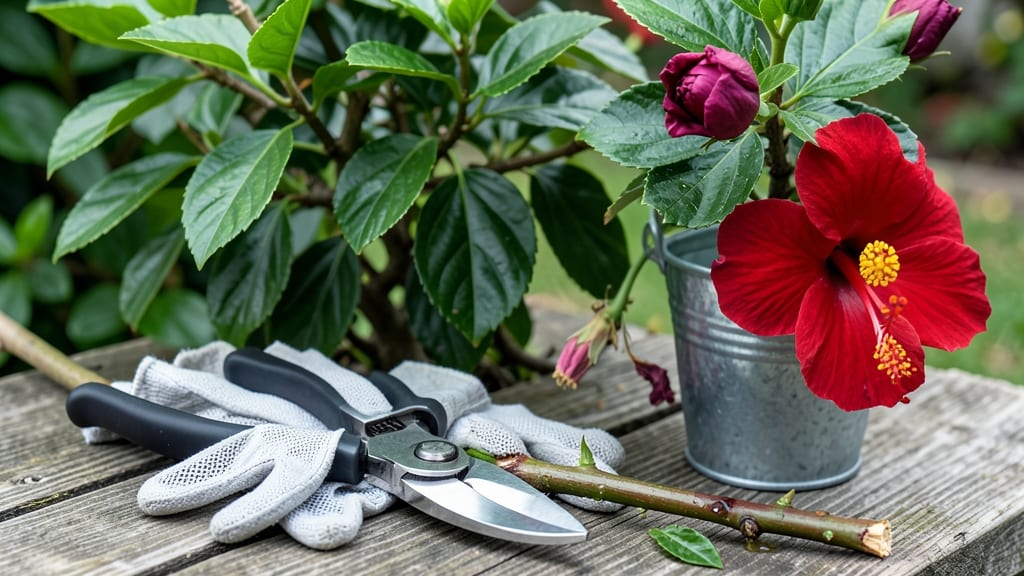
Harvesting hibiscus flowers at the right moment transforms those stunning 🌸 blooms into edible treats, vibrant crafts, or fragrant teas—but timing and technique make all the difference.
Whether you're growing hibiscus in USDA Zone 6a or a warmer climate, knowing when to snip ensures your flowers stay fresh longer and your plants keep producing.
Imagine plucking a flower just as it reaches peak beauty—petals fully unfurled, center dry and papery—only to watch it wilt hours later because you missed the morning window. The best time to harvest is early, when dew has evaporated but the sun hasn’t yet sapped their moisture.
This simple shift can extend their shelf life from days to weeks, whether you’re drying them for crafts or steeping them for hibiscus tea.
You’ll also need the right tools: sharp pruners, a basket for delicate petals, and maybe even gloves if your hibiscus has thorns. The goal is to harvest without damaging the stem or leaving behind ragged edges, so I’ll walk you through the cleanest methods.
Plus, I’ll share how to store your harvest—whether you’re preserving petals for later or using them fresh in arrangements.
From identifying the perfect bloom to maximizing your yield, this guide covers everything you need to turn your hibiscus into a year-round resource. Let’s make sure every flower you harvest is the best it can be!

Best time to harvest hibiscus flowers for maximum freshness and longevity
Timing your hibiscus harvest is everything—picking too early means underdeveloped petals, while waiting too long risks wilting or seed formation. The ideal moment is when flowers are fully open with dry, papery centers, signaling peak freshness. This usually occurs 60-90 days after planting, depending on your climate zone.
For tropical hibiscus (like Hibiscus rosa-sinensis), harvesting begins in late spring and continues through fall, while temperate varieties (such as Hibiscus moscheutos) peak in summer.
Miss the window, and you’ll end up with flowers that lose their vibrant color or taste bitter—especially important if you’re harvesting for tea or culinary uses.
The best time of day to harvest is early morning, between 6-9 AM, when dew has evaporated but temperatures are still cool. This preserves moisture and color, extending shelf life by up to 50%.
Avoid harvesting after midday, as heat stress accelerates wilting, even if the flower looks perfect.
Seasonal shifts matter too. In USDA Zone 6a, aim for June-October harvests, while warmer zones (like Zones 9-11) can harvest year-round. First frost (around October 30) signals the end of the season—harvest all remaining blooms before temperatures drop below 40°F, as cold damages delicate petals.
| Harvest Stage | Key Features | Best Time of Day | Seasonal Window |
|---|---|---|---|
| Bud Stage | Petals tightly closed, center moist | Avoid harvesting | Spring (pre-bloom) |
| Partially Open | Petals unfurling, center slightly dry | Early morning (optional) | Early summer |
| Fully Open | Petals vibrant, center dry/papery | 6-9 AM (peak freshness) | Late spring-fall |
| Overripe | Petals wilted, seeds forming | Avoid harvesting | Late fall (pre-frost) |
Pro tip: Harvest every 2-3 days during peak season to encourage continuous blooming. Overlooking this can lead to fewer flowers as the plant redirects energy to seed production. If you’re growing hibiscus for seeds, wait until the center turns brown and petals begin wilting naturally.
Climate plays a huge role. In tropical regions, hibiscus flowers may bloom year-round, but temperate climates see a 6-8 week peak. For example, in Zone 6a, start harvesting in June when daytime temps hit 75°F+.
If your area experiences humidity spikes, harvest slightly earlier to prevent fungal issues on petals.
One common mistake? Harvesting wet flowers after rain. Always wait 24 hours for petals to dry naturally—this prevents mold and preserves color. Store harvested blooms in a paper bag (not plastic) in the fridge for up to 5 days if you can’t use them immediately.
For long-term preservation, dry petals in a shady, well-ventilated area for 3-5 days. This method works best for crafts or tea blends, as dried petals retain their flavor and aroma far longer than fresh ones. Just avoid direct sunlight, which can bleach colors and degrade essential oils.
Finally, pay attention to your hibiscus’s growth habits. If you notice fewer buds forming after harvesting, the plant may need more sunlight or balanced fertilizer. A quick check: healthy stems should be woody and firm, not soft or hollow—a sign of over-harvesting or poor care.
Essential tools and techniques for clean, damage-free hibiscus harvesting
Harvesting hibiscus flowers the right way means using the proper tools and techniques to avoid damaging stems or petals. I’ve found that sharp pruners are a game-changer—they make clean cuts that heal faster, encouraging more blooms.
Pair them with gardening gloves if your hibiscus has thorns (common in Hibiscus rosa-sinensis), and always carry a soft basket lined with paper towels to cradle delicate petals.
Before you even reach for your tools, inspect the flower. Look for fully unfurled petals with a dry, papery center—this is your cue that it’s ready. Avoid harvesting flowers with moist centers or partially open petals, as they won’t last long and may attract pests.
A quick twist or snip at the base is all it takes, but timing matters just as much as technique.
-
Step 1: Choose the Right Tools
- 🔹 Bypass pruners (for clean cuts)
- 🔹 Gloves (if thorny varieties)
- 🔹 Soft basket (lined with paper towels)
-
Step 2: Select the Perfect Flower
- 🔹 Fully open petals (no closed buds)
- 🔹 Dry, papery center (not moist or sticky)
- 🔹 Bright, vibrant colors (no wilting edges)
-
Step 3: Harvest with Precision
- 🔹 Snip 1-2 inches below the flower
- 🔹 Avoid crushing stems (use gentle grip)
- 🔹 Harvest in the morning (6-9 AM)
-
Step 4: Handle Post-Harvest
- 🔹 Remove leaves touching water (prevents rot)
- 🔹 Store in paper bags (not plastic)
- 🔹 Keep in fridge (up to 5 days)
Once you’ve harvested, handle the flowers with care. Remove any leaves that might touch water if you’re storing them in a vase—this prevents bacterial growth and keeps petals fresh longer.
Place them in a paper bag (not plastic) to allow airflow, then store in the fridge for up to 5 days. For long-term use, lay petals on a screen or mesh in a shady, well-ventilated area for 3-5 days to dry naturally.
If you’re harvesting for seeds, wait until the flower’s center turns brown and petals begin wilting naturally. Simply twist the dried flower head off the stem and collect the seeds inside. For culinary or tea use, harvest petals at peak freshness and dry them quickly to preserve flavor.
I’ve found that hibiscus tea blends made from dried petals taste far superior to those using fresh ones.
One technique I swear by is the "morning harvest rule": Always harvest between 6-9 AM when petals are cool and dew-free. This simple habit can extend shelf life by 30-50%.
After harvesting, give your hibiscus plant a light fertilizer boost (like a 10-10-10 balanced mix) to encourage more blooms. Just avoid over-fertilizing, as this can lead to leafy growth over flowers.
Finally, keep an eye on your plant’s response. If you notice fewer buds after heavy harvesting, it may need more sunlight or pruning to encourage new growth. A quick check: healthy stems should be woody and firm, not soft or hollow—a sign of over-harvesting or poor care.
With the right tools and techniques, you’ll turn your hibiscus into a year-round source of beauty and utility!