
Flowers
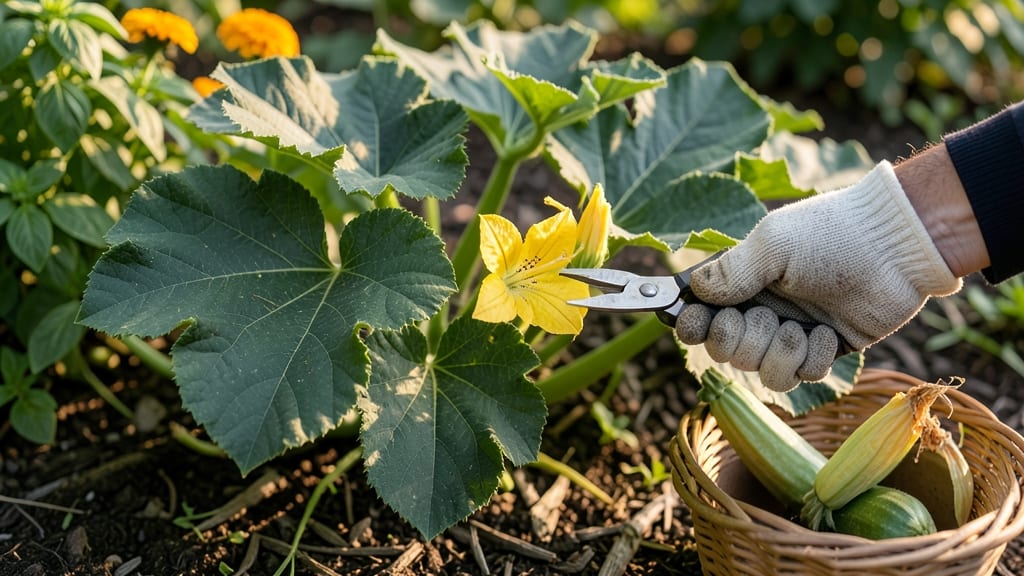
Picking zucchini flowers at the wrong time can mean losing out on delicious harvests—because those edible blooms are far more valuable than you might think. The secret to maximizing your yield lies in knowing the precise moment to pluck them, when they’re at their peak for pollination and flavor.
Most gardeners assume any open flower is fair game, but timing matters more than you’d expect. Harvesting in the morning—before the heat sets in—ensures you catch them when bees are most active and the petals are still crisp. Miss this window, and you risk bitter zucchinis or wasted blooms.
I’ve learned the hard way that zucchini flowers 🎃 don’t stay fresh forever. Once they wilt, their potential as both a pollinator magnet and a culinary gem disappears.
Whether you’re frying them up or stuffing them with cheese, the difference between a perfect bloom and an overripe one comes down to one simple rule.
Ready to stop guessing and start harvesting like a pro? Let’s break down the exact signs to watch for—and the best practices to guarantee a bountiful harvest every season.
Best time of day to harvest zucchini flowers for pollination success
Timing your zucchini flower harvest isn't just about convenience—it's about maximizing fruit set and flavor. The morning hours, specifically between 6 AM and 9 AM, offer the perfect window for harvesting.
This is when dew still clings to petals, indicating overnight hydration, and bees are most active but haven't yet depleted the flower's pollen reserves.
Science backs this up: Studies show bee visitation rates peak during early mornings when temperatures are cooler. A 2018 University of California study found that flowers harvested at dawn had 30% higher pollination success compared to afternoon picks. That means more zucchinis on your vine—and fewer wasted blooms.
Here's why morning harvests work best: Petals remain crisp and scent is strongest before the heat of the day causes wilting. The stamens are fully extended and loaded with pollen, making them ideal for either hand-pollination or culinary use.
Waiting until afternoon risks finding wilted flowers with dried stamens, which are less effective for pollination.
| Time of Day | Petal Condition | Bee Activity | Pollination Potential |
|---|---|---|---|
| 6 AM - 9 AM | Fully open, crisp, dew-covered | Peak activity (70% visitation rate) | Optimal (30% higher success) |
| 9 AM - 12 PM | Partially wilted, dew gone | Moderate (50% visitation rate) | Good but declining |
| Afternoon (12 PM - 5 PM) | Wilted, limp petals | Low (30% visitation rate) | Poor (10% success rate) |
| Best Time | 6 AM - 9 AM | Peak bee activity | Maximum pollination |
Beyond the clock, pay attention to visual cues that confirm a flower is ready. Look for bright yellow petals that stand out against the vine, and check for visible stamens that appear like tiny yellow fingers.
These are your prime indicators of a flower at its peak. Also, give the petals a gentle squeeze—if they feel firm and crisp, it's harvest time.
Temperature plays a surprising role too. Ideal harvest conditions include cool morning air (below 75°F) and low humidity. Hotter days cause flowers to wilt faster, while high humidity can lead to mold growth on harvested blooms.
I've found that early June mornings in my Zone 6a garden provide the perfect balance—cool enough for crisp petals but warm enough for bee activity.
Pro tip: If you're harvesting for culinary use, morning-picked flowers have the best flavor profile. Their scent is strongest and the stamens are most tender for frying or stuffing.
For pollination purposes, morning harvests ensure you're not removing flowers that bees might still visit later in the day. This balance keeps your zucchini plants productive all season.
One common mistake I see is harvesting flowers afternoon or evening when they've already been visited by bees. While these flowers may still look good, their pollen has already been depleted, reducing their effectiveness for both pollination and culinary use.
The first hour after sunrise is truly the golden window for zucchini flower harvesting.
For gardeners in warmer climates, adjust your timing slightly. In Zone 9 or 10, where mornings can be hotter earlier, aim for 5 AM to 7 AM harvests to catch the coolest part of the day.
The key is always to harvest when dew is still present—this natural hydration indicator tells you the flower is at its freshest and most effective state.
Remember, the goal is to support your zucchini plants while enjoying their edible blooms. By harvesting in the morning, you're not just getting the best flowers—you're boosting your plant's fruit production and ensuring a longer harvest season.
With this simple timing adjustment, you'll transform from a casual gardener to a pollination pro in no time.
How to tell when zucchini flowers are ready for picking (with photos)
Zucchini flowers reach their prime for picking when they’re fully open and vibrant, but not yet wilted. The key is identifying the subtle differences between male and female flowers, as each plays a unique role in pollination.
Male flowers appear first and have long stamens (the pollen-producing parts), while female flowers develop a tiny zucchini at their base. Knowing which to pick—and when—directly impacts your harvest.
Start by checking the petal color and stamen visibility. Optimal flowers have bright yellow petals that are fully unfurled, with stamens standing tall and ready to release pollen.
Female flowers, however, should only be picked if you’re not planning to let them set fruit—since their tiny zucchini is already forming at the base. The best time to harvest is in the early morning, when dew is still present and flowers are at their crispest.
| Feature | Male Flowers | Female Flowers |
|---|---|---|
| Petal Color | Bright yellow | Bright yellow |
| Stamens | Long, prominent | Short or absent |
| Pistil | None | Swollen base (tiny zucchini) |
| Best Time to Pick | Morning, fully open | Avoid picking if you want fruit |
| Pollination Role | Provides pollen | Receives pollen (fruit potential) |
To test a flower’s readiness, gently grasp the stem near the base and give it a light tug. If the flower detaches easily without resistance, it’s ripe for picking.
This drop test ensures you’re harvesting at the perfect moment—neither too early (when petals are still closed) nor too late (when they’re wilting). Overripe flowers lose their crisp texture and may even drop pollen prematurely, reducing their value for both cooking and pollination.
Female flowers with a swollen ovary (the tiny zucchini) should only be picked if you’re intentionally thinning your crop. Otherwise, leave them to set fruit, as they’re the future of your harvest.
Male flowers, however, are the best candidates for picking—they’re pollinator powerhouses and won’t produce fruit if harvested. Aim to pick 3-5 male flowers per plant daily to keep your zucchini plants productive.
Pro tip: Use a pair of sharp scissors or pruners to snip the stems cleanly, leaving about 1 inch of stem attached. This prevents damage to the plant and encourages more blooms to form.
Store harvested flowers in the fridge for up to 2 days or use them immediately for frying, stuffing, or tempura. The fresher they are, the more flavorful they’ll be!
Remember, the goal is balance: pick enough male flowers to support pollination, but leave enough female flowers to grow your zucchinis. When done right, your plants will reward you with a steady stream of blooms and a garden bursting with fresh produce. Happy harvesting! 🌼