
Planting
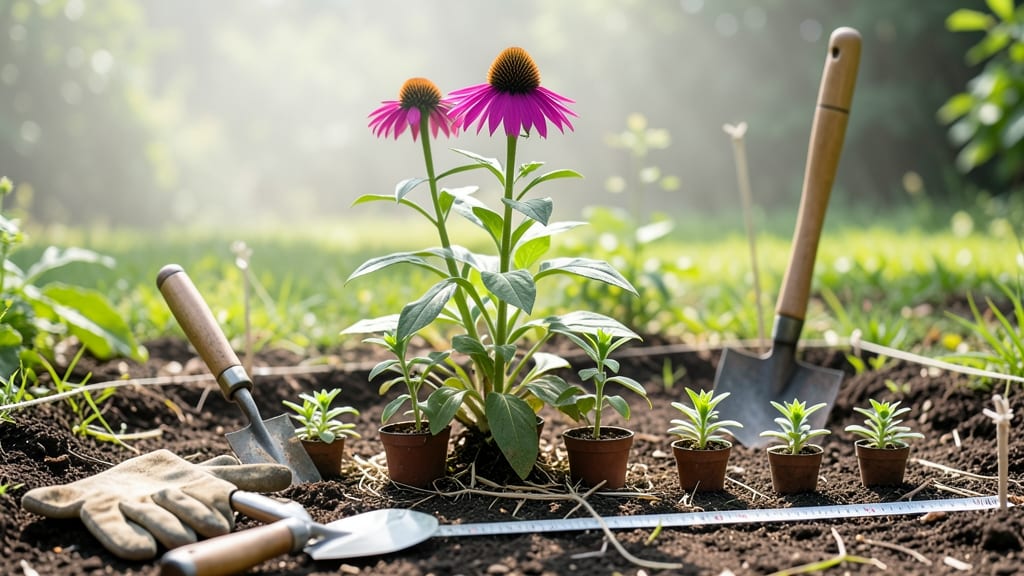
Planting coneflowers the right distance apart might seem harmless, but it’s the fastest way to turn your 🌼 vibrant blooms into a disease-prone, leggy mess. The right spacing—whether you’re filling a border, meadow, or container—determines how long your flowers thrive, how big they grow, and even how many pollinators visit.
I’ve learned the hard way that cramming coneflowers too tightly leads to weak stems, crowded roots, and a fight for sunlight that leaves your garden looking sparse. But get the spacing right, and you’ll enjoy bold, healthy blooms from July through September—with minimal fuss.
Let’s break down the exact distances that work for your garden type and variety.
From 12 inches apart for dwarf varieties to 24 inches for tall, standard coneflowers, the numbers matter more than you’d think. We’ll cover how to adjust for containers, pollinator gardens, and even tricky spots with partial shade.
Plus, I’ll show you how to fix overcrowded patches without digging up your entire bed.
Ready to transform your coneflower patch from a struggling cluster to a showstopping display? The secret starts with the first shovel in the ground—let’s get those plants the space they deserve.
Optimal coneflower spacing by variety and garden type
Getting your coneflowers to thrive starts with the right planting spacing. Too close, and you’ll battle fungus and weak blooms. Too far apart, and your garden will look sparse. The key lies in understanding each Echinacea variety and your garden’s unique conditions.
Whether you’re planting in containers, pollinator gardens, or wildflower meadows, precise spacing ensures airflow, sunlight exposure, and long-lasting blooms.
I’ve planted coneflowers in everything from small patio pots to sprawling prairie-style gardens, and the spacing rules change dramatically. For example, Echinacea purpurea (the classic purple coneflower) needs more room than Echinacea paradoxa (the sneezeweed variety).
Let’s break down the exact distances for each scenario so you can create a vibrant, low-maintenance display that attracts pollinators all season.
Why spacing matters: Proper spacing prevents powdery mildew, maximizes root development, and ensures each plant gets its fair share of sunlight and nutrients. In crowded conditions, coneflowers compete for resources, leading to smaller blooms and leggy stems. But with the right distances, you’ll enjoy bold, healthy flowers that last from midsummer to fall.
| Variety | Mature Size | Ideal Spacing (Inches) | Garden Type | Pro Tip |
|---|---|---|---|---|
| Echinacea purpurea | 2-4 ft tall | 18-24" | Borders, Meadows | Space closer (18") in dry climates to reduce water needs. |
| Echinacea pallida | 2-3 ft tall | 12-18" | Pollinator Gardens | Pair with short grasses to highlight its delicate blooms. |
| Echinacea paradoxa | 1-2 ft tall | 10-12" | Containers, Rock Gardens | Use 5-gallon pots for 1-2 plants to avoid root bind. |
| Dwarf Varieties (e.g., 'White Swan') | 1-1.5 ft tall | 8-10" | Front of Borders | Plant in groups of 3-5 for a fuller look. |
| Any Variety in Containers | Varies by pot size | 1 plant per 5-gallon pot | Patios, Balconies | Add perlite to soil for better drainage. |
For Echinacea purpurea, the most popular variety, aim for 18-24 inches between plants in open borders or meadow gardens. This gives them room to spread their basal leaves and develop strong root systems.
In dry climates, you can reduce spacing to 18 inches to minimize water competition. I’ve seen stunning displays in native plant gardens where coneflowers are spaced this way alongside black-eyed Susans and butterfly weed.
If you’re creating a pollinator garden, Echinacea pallida (pale purple coneflower) is a fantastic choice. Its 12-18 inch spacing works perfectly when interplanted with wild bergamot
5 Common spacing mistakes that stunt coneflower growth
Proper spacing for coneflowers (Echinacea) isn’t just about looking neat—it directly impacts their health, bloom size, and even disease resistance. When plants compete for sunlight, water, and nutrients, they often produce smaller flowers and weaker stems.
I’ve seen crowded coneflower patches with yellowing leaves and stunted growth because they were planted too close together.
Even excessive spacing can be problematic—it creates gaps that weeds fill, and the plants may not develop strong root systems. The key is finding that sweet spot between airflow and visual appeal. Let’s break down the 5 most common mistakes and how to fix them before your garden suffers.
⚠️ Warning: Overcrowding Your Coneflowers?
Planting coneflowers 12-24 inches apart is ideal for most varieties, but many gardeners make these critical errors:
- Too close (under 12"): Leads to fungal diseases like powdery mildew due to poor airflow.
- Too far (over 36"): Creates weed-prone gaps and weakens root development.
- Uneven spacing: Causes lopsided growth where some plants dominate.
Fix it now: Thin out crowded plants in spring or fall and replant missing sections with proper spacing.
One of the biggest culprits is planting coneflowers in clumps rather than spacing them evenly. When I first started gardening, I grouped them like annuals instead of treating them as perennials that need room to spread.
This led to overcrowded centers where flowers barely opened and leaves turned brown from fungal infections.
Another mistake is ignoring variety differences. Dwarf coneflowers (like 'White Swan') need only 12-18 inches of space, while tall varieties (like 'Magnus') require 24-36 inches. Mixing them without planning often results in uneven growth and competing sunlight.
For container gardening, spacing becomes even trickier. Too many coneflowers in a 5-gallon pot will lead to root-bound stress and stunted blooms. Limit to 1-2 plants per container and use well-draining soil to prevent overcrowding.
I once saw a coneflower in a hanging basket with no space—it produced tiny buds instead of showy blooms.
Finally, skipping mulch after planting can worsen spacing issues. Mulch helps suppress weeds that compete with coneflowers for nutrients. Without it, weeds fill gaps and strangle young plants. Apply 2-3 inches of mulch (like shredded bark) around each plant to keep the soil healthy and root zones clear.
Remember, proper spacing isn’t just about today—it’s about long-term health. A well-spaced coneflower patch will reward you with bold blooms for years, while crowded plants struggle from day one. Take a walk through your garden now and check those distances—your coneflowers will thank you! 🌼