
Watering
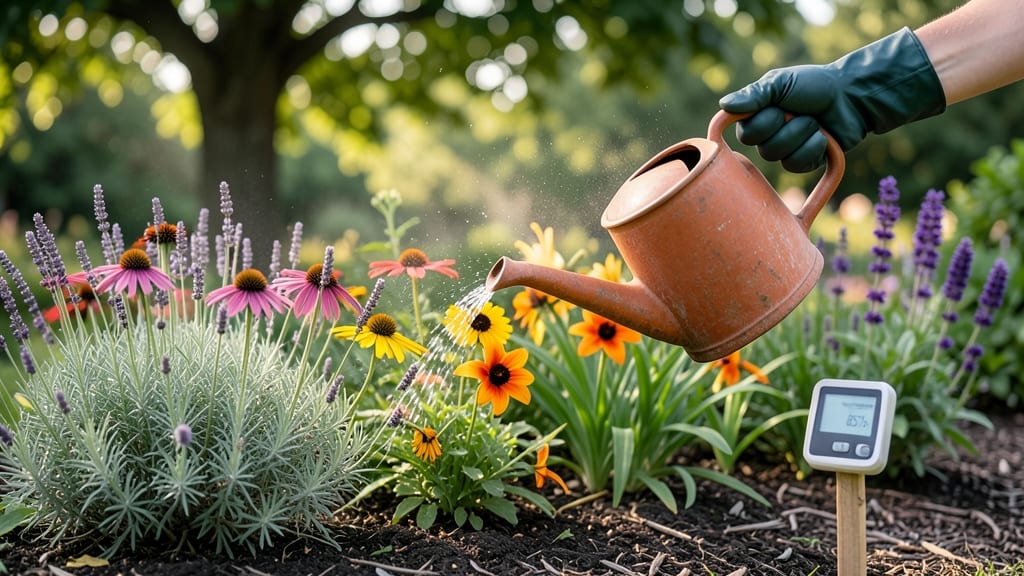
Finding the perfect balance for how often to water your flower beds can feel like solving a puzzle—too much or too little, and your 🌸 blooms suffer. The truth? Most gardeners either drown their plants or let them wilt because they don’t account for soil type, weather, or plant needs.
I’ve tested countless methods, and the key is understanding your specific conditions. Whether you’re dealing with sandy soil that drains fast or clay that holds moisture forever, knowing when to reach for the hose (or skip it) makes all the difference.
Let’s break down the science-backed schedule that keeps your garden thriving without the guesswork.
You’ll learn how seasonal shifts—like the scorching heat of summer or the occasional spring shower—change your watering routine. Plus, I’ll share my top tricks for spotting overwatered or thirsty plants before it’s too late. No more dead zones in your garden!
Ready to transform your flower beds into a lush, low-stress paradise? Let’s dive into the exact watering plan tailored to your plants’ needs.
How often to water flower beds: seasonal watering schedule by plant type
Getting your flower beds' watering schedule right can feel like solving a puzzle—too much or too little, and your plants suffer. The truth? Watering needs vary wildly between annuals and perennials, not to mention drought-resistant succulents versus thirsty petunias.
Seasonal shifts also play a huge role: what works in summer heat fails in winter chill. Let’s break it down by plant type and season so you can keep your garden flourishing without guesswork.
First, understand that soil type matters. Sandy soil drains fast, while clay holds moisture longer.
Most flower beds need 1-2 inches of water per week, but adjust based on rainfall and plant preferences. Annuals like marigolds and zinnias often need daily checks in summer, while perennials like coneflowers can go longer between waterings once established.
The key? Deep watering—encouraging roots to grow downward instead of staying shallow.
Seasonal changes demand flexibility. In spring, focus on establishing roots with consistent moisture. By summer, heat and wind increase evaporation, so water early in the morning to reduce fungal risks. Fall slows growth, so taper off watering, and winter often means minimal watering unless you’re protecting tender plants.
Let’s dive into the specifics with a quick reference guide to keep your flower beds thriving year-round.
Let’s start with annuals, the showstoppers of summer gardens. Plants like petunias and marigolds grow aggressively and need frequent watering—think every 2-3 days in summer—to keep blooms vibrant. The secret? Water deeply in the morning to encourage strong root systems.
Shallow watering leads to weak stems and fewer flowers. If your annuals start wilting by midday, it’s a sign they’re thirsty. Adjust by watering earlier in the day or adding mulch to lock in moisture.
Now, perennials like roses and coneflowers are more forgiving once established, but they still need regular deep watering. In spring, aim for every 3-5 days to help roots expand. By summer, switch to every 2-3 days, especially for roses, which are heavy drinkers.
A trick I use? Soak the base until water runs out the drainage holes (if in containers) or seeps 6 inches deep into the soil. This mimics natural rainfall and prevents shallow root growth. In fall, reduce watering gradually—perennials need less as growth slows.
For drought-tolerant plants like succulents or sedum, the biggest mistake is overwatering. These plants store water in their leaves and stems, so let the soil dry completely between waterings.
In summer, that might mean every 5-7 days, while winter could stretch to monthly. Always check the soil: stick your finger **1
5 Key signs your flower beds need water (and when to adjust)
Your flower beds are like a thirsty crowd—some plants scream for water while others silently suffer from too much. The trick is learning their language. I’ve seen wilting petunias in minutes after skipping a watering day, while yellowing leaves on my roses signaled overwatering.
Both mistakes can kill your garden if ignored. The good news? These 5 key signs will help you adjust your schedule before damage happens.
Start by checking the soil moisture with your finger—stick it 1-2 inches deep. If it feels dry, your plants need water. But if it’s soggy, you’re overdoing it. Container plants dry out faster than in-ground beds, so they often need daily checks.
Meanwhile, clay soil holds moisture longer than sandy soil, which drains like a sieve. Knowing your soil type cuts guesswork in half.
Sign #1: Drooping or Wilting Leaves isn’t always thirst—some plants wilt naturally in heat. Test by gently tugging a leaf: if it springs back, your plants are just heat-stressed. If it stays limp, water immediately. Morning wilting that recovers by afternoon? Time to increase frequency. Evening wilting that doesn’t bounce back? You’re underwatering.
💧 Numbered Highlights: When to Adjust Your Watering Schedule
- 🌱 Sandy Soil: Water daily in summer (dries fast).
- 🏺 Clay Soil: Water every 5-7 days (holds moisture).
- 🌡️ Heatwave: Increase to every 2 days (evaporation spikes).
- 🌧️ Rainy Days: Skip watering for 3+ days (soil stays wet).
- 🪴 Containers: Water daily (small pots dry out fast).
Adjusting your schedule isn’t just about frequency—it’s about depth. Shallow watering encourages shallow roots. Instead, water until moisture reaches 6 inches deep. Use a soil probe or dig a small hole to check.
If the bottom is dry, keep watering. This method works for in-ground beds and raised gardens alike, ensuring roots grow strong.
Yellowing leaves? That’s often a nutrient deficiency from overwatering, which flushes nutrients away. Pair this with mushy stems or white mold on soil, and you’ve got root rot. Cut back immediately—let the top 1 inch of soil dry out before watering again.
For container gardens, this means skipping a day or two, even if the surface looks dry.
Don’t wait until your blooms start dropping to act. By then, it’s too late for that plant. Instead, use these signs as your daily checklist: check soil moisture, observe leaf color, and adjust before wilting sets in. Your garden will thank you with vibrant blooms all season long. 🌸